How to Detect Hidden Water Leaks Before They Cause Damage
If you’ve ever opened a water bill and felt your heart race, you know the panic that comes with unexpected plumbing problems. Hidden water leaks are stealthy. They sneak behind walls, under floors, and inside ceilings—causing damage long before you spot a puddle. At Dennis Foley Plumbing, we see it every week. The longer a leak goes unnoticed, the more it costs you: in repairs, water bills, and stress.
You’re not alone. According to the Insurance Information Institute, water damage is among the most common and expensive claims for homeowners in the U.S., costing billions every year. Let’s break down how you can spot these sneaky leaks—before they turn your home into a swimming pool.
Why Hidden Leaks Matter 🚨
Out of sight doesn’t mean out of trouble. A hidden leak is like a slow-burning fuse. It can quietly rot wood, crack foundations, and spark mold outbreaks without warning.
- Water damage: The EPA estimates that an average household leak can waste nearly 10,000 gallons a year. That’s enough to fill a backyard pool.
- Mold risks: Mold spores thrive in damp, dark places. Even a small leak can create the perfect home for mold—risking your health and your home’s value.
- Insurance claims: Water damage is the second-most common insurance claim, right behind wind and hail. Many policies don’t cover gradual leaks, so early detection saves money and headaches.
- High bills: If your water bill suddenly spikes, you’re likely paying for water you never used.
For older homes, especially those with galvanized steel or copper pipes, hidden leaks are more likely. In the Northeast and Midwest, freezing winters can stress pipes, while hard water areas accelerate corrosion. Newer homes aren’t immune—construction errors or shifting soil can create weak spots.
Signs of Hidden Leaks
Leaks don’t always announce themselves with a splash. Sometimes, the only clue is a subtle change in your home’s rhythm.
- Musty smells: An earthy, damp odor is often the first sign something’s wrong.
- Wall or floor discoloration: Yellow stains or bubbling paint can hint at water pooling behind the scenes.
- Audible drips: Listen for faint tapping or dripping, especially at night when the house is quiet.
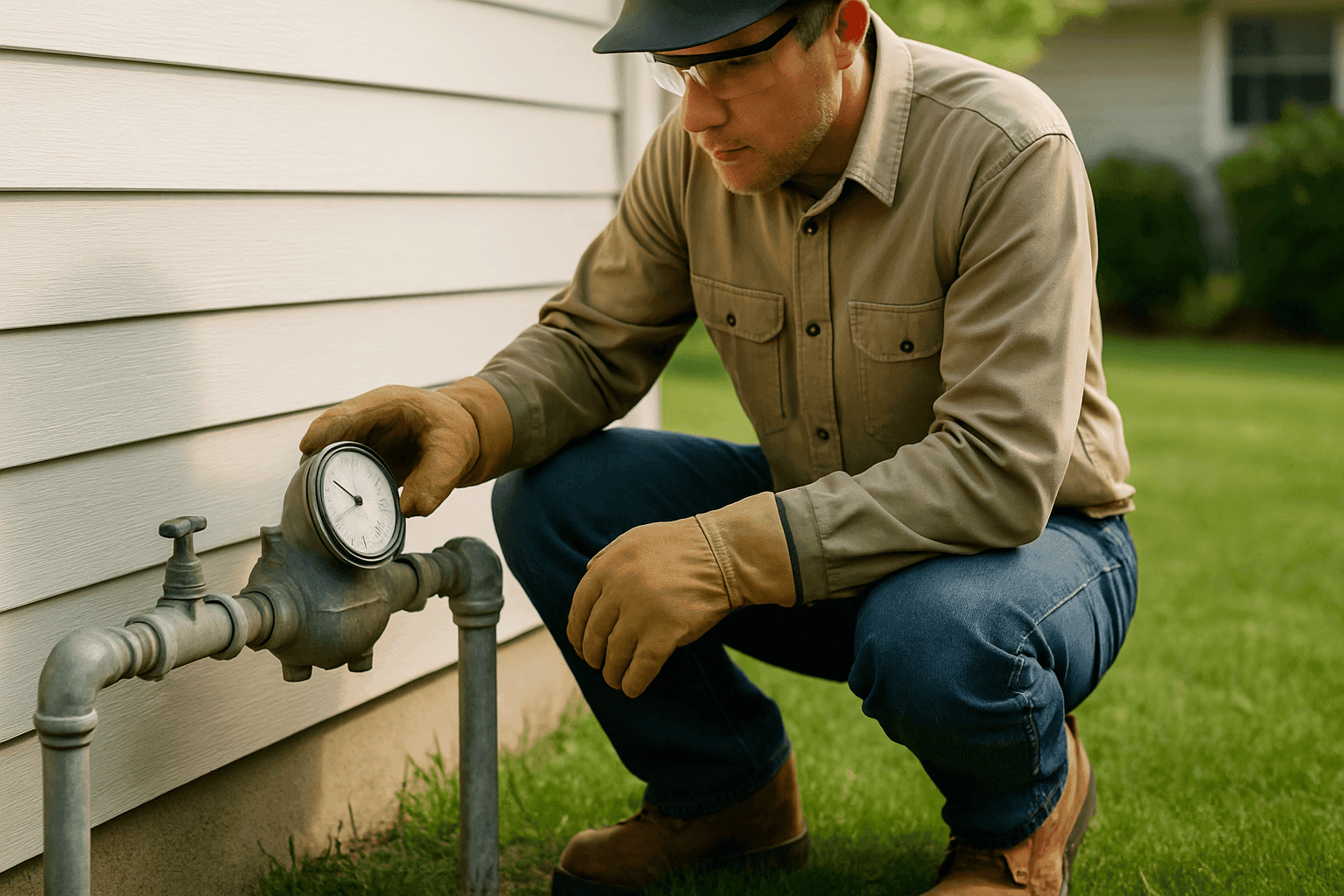
- Water meter tests: Turn off all water sources and check your meter. If it’s still moving, water’s escaping somewhere.
- Unexplained puddles or damp spots: Even small patches of wet carpet or warped wood can signal trouble.
If you spot several of these, it’s time to spring into action. But how?
DIY Leak Tests 🧰
You don’t need a plumber’s toolbox to be proactive. Here’s how you can play detective:
1. Meter Check
- Find your water meter (usually in the basement or outside).
- Turn off every faucet and appliance.
- Watch the meter for 15–30 minutes. Is the needle or digital display moving? If yes, there’s a leak somewhere inside.
2. Dye Test for Toilets
- Drop a few drops of food coloring into the toilet tank.
- Wait 10–15 minutes—don’t flush.
- If color appears in the bowl, the flapper or valve is leaking.
3. Moisture Meters
- Handheld moisture meters can be found at hardware stores.
- Probe suspicious areas—walls, baseboards, cabinets. High readings suggest hidden dampness.
4. Infrared Thermometers
- Point at walls or floors. Cold spots can signal water pooling behind surfaces.
A word of caution: DIY tests are good first steps. But leaks can be tricky, especially in older homes with layered repairs or unusual piping. If you’re unsure, trust your gut—call for backup.
Professional Leak Detection: When to Escalate
Sometimes, leaks play hard to get. That’s where professional leak detection steps in. At Dennis Foley Plumbing, we use advanced tools to pinpoint the source without tearing up your house.
- Acoustic sensors: Like stethoscopes for pipes. These devices “listen” for the faint hiss or drip of escaping water, even behind concrete.
- Thermal imaging: Special cameras detect temperature changes, revealing cold, damp areas behind walls or under floors.
- Pressure testing: We isolate sections of pipe and check for drops in pressure.
- Video pipe inspection: Tiny cameras snake through pipes to spot cracks or blockages.
When is it time to call the pros? If you’ve tried the basics and still suspect a leak—or if you notice structural damage (sagging ceilings, peeling drywall)—it’s time. Fast action can save thousands in repairs.
Local and Seasonal Considerations
Every home tells a different story. In older neighborhoods with steel or cast iron pipes, corrosion is common. In areas with hard water, mineral buildup can stress joints and valves. Seasonal temperature swings (especially freeze-thaw cycles) can crack pipes in crawlspaces or basements.
Tip: If your home was built before 1980, or if you’ve had past leak repairs, schedule a regular inspection. Preventative maintenance is your best defense.
Prevention & Maintenance
Don’t wait for an emergency plumbing call at 2 a.m. Small steps can keep leaks at bay:
- Insulate exposed pipes: Especially in attics, garages, and crawlspaces.
- Check appliance hoses: Replace rubber hoses with braided stainless steel.
- Keep gutters clean: Overflow can pool near your foundation and sneak into basements.
- Know your shutoff valve: In a crisis, turning off the main valve can save your home from flooding.
Schedule annual leak detection, especially if your home is older or you’ve dealt with leaks before.
Costs & Time Factors
Leak repair costs vary. Simple fixes—like a worn toilet flapper—can be resolved in under an hour. Hidden leaks inside walls or under foundations take longer and may require some patchwork afterwards.
Most insurance policies cover “sudden and accidental” leaks, but not those caused by neglect. Early detection isn’t just about saving water—it’s about protecting your wallet and your peace of mind.
When Is It an Emergency? 🚨
When water is actively pooling, pipes are spraying, or ceilings are sagging—don’t wait. Shut off the main water supply and call for emergency plumbing help. The faster you act, the less damage your home will suffer.
- Burst pipes (especially in winter)
- Gushing leaks near electrical outlets
- Sewage smells or backflow
- Water heater leaks
Don’t risk your safety or your home’s structure. Some emergencies can’t wait.
FAQ
How common are hidden leaks in homes?
According to the EPA, 10% of homes have leaks that waste 90 gallons or more daily. Most leaks go unnoticed for weeks or months.
Can a small leak really cause major damage?
Absolutely. Even a slow drip can rot wood, spark mold, and undermine your home’s foundation. Over time, the cost of repairs skyrockets.
Is leak detection invasive?
No. Modern tools allow us to pinpoint leaks without tearing down walls or floors. In most cases, only the affected area needs repair.
How often should I have my plumbing inspected?
Annual checks are a smart move, especially for older homes or after a major freeze.
Local/Seasonal Considerations
In our region, winter freezes and spring thaws push pipes to their limit. If your home sits on older clay or cast iron sewer lines, tree roots can also cause blockages and leaks. Hard water areas (like much of the Northeast and Midwest) mean extra stress on valves and joints. If your neighborhood is filled with historic homes, schedule regular inspections to stay ahead.
Hidden leaks are silent troublemakers. But with a sharp eye—and a little help from Dennis Foley Plumbing—you can keep your home dry, safe, and stress-free.
Call Dennis Foley Plumbing now — or reach us anytime at 888-997-4573 .