Emergency Plumbing Guide: What to Do Before Help Arrives
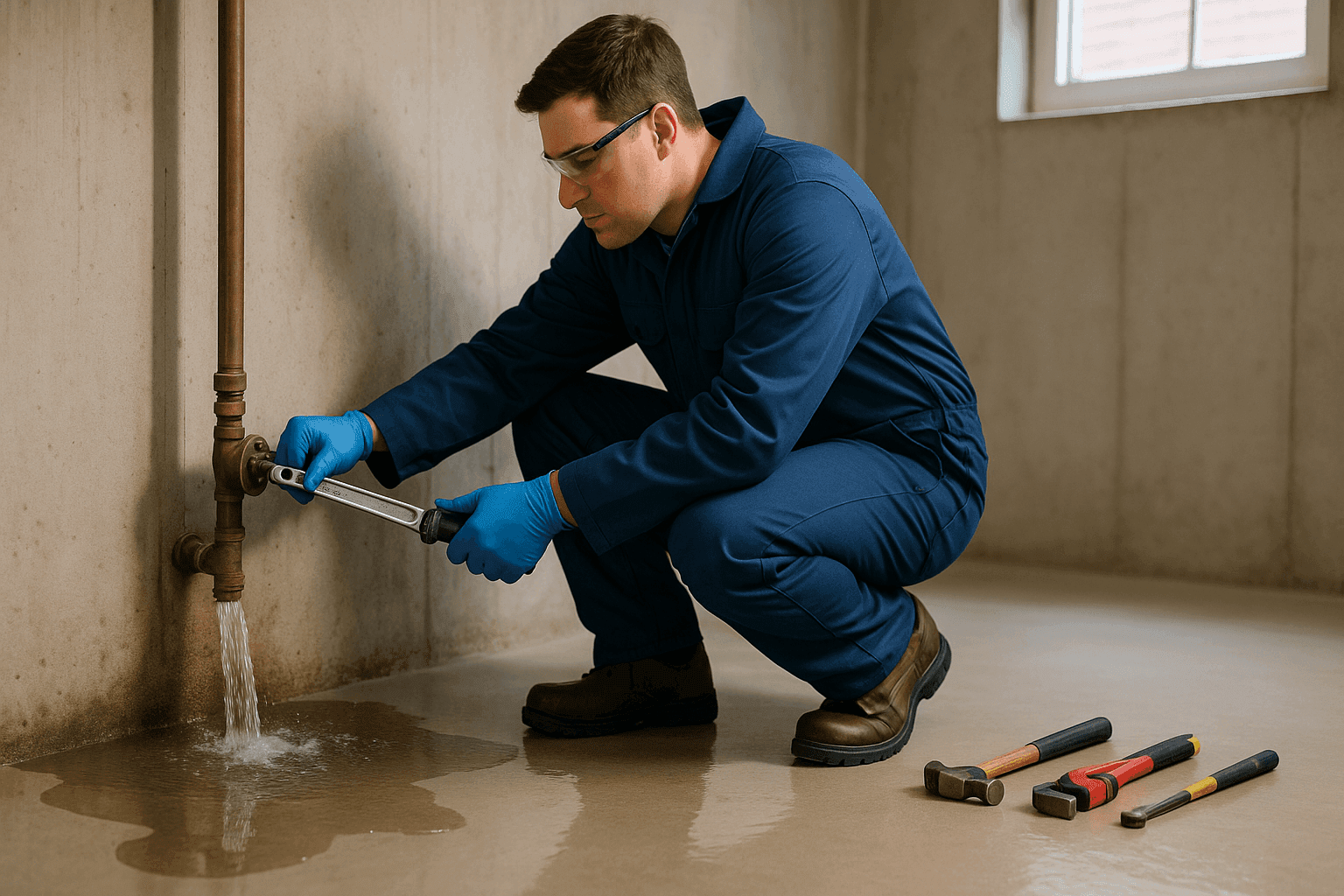
When water is gushing where it shouldn’t, panic can bubble up fast. We’ve seen it all—midnight pipe bursts, toilets spilling their secrets, and hot water heaters hissing their last breath. At Dennis Foley Plumbing, we understand how stressful these moments are for homeowners. This guide is built for you: clear, calm, and packed with steps you can take right now to protect your home while you wait for emergency plumbing help.
No guesswork. No risky shortcuts. Just practical advice from licensed professionals who serve families just like yours—day or night.
Immediate Actions for Plumbing Emergencies 🚨
Every minute counts in a plumbing crisis. Here’s what to do first:
-
Shut Off the Water
- Locate your main shutoff valve. Usually found in basements, garages, or near the water meter outside. Turn it clockwise until it stops.
- For smaller leaks, use local shutoff valves under sinks or behind toilets.
- If you don’t know where your shutoff is, now is the time to find it. Mark it for next time.
-
Cut the Power if Water Is Near Outlets or Appliances
- Water and electricity are a risky pair. If water is pooling near electrical outlets, your circuit breaker is your best friend. Switch off the affected circuits safely—never stand in water while doing this.
-
Isolate the Leak
- Use buckets, towels, or even old baking pans to catch dripping water.
- Move furniture, rugs, and valuables out of harm’s way.
-
Ventilate and Contain
- Open windows and doors to help air out damp areas.
- Close doors to rooms not affected to stop water from spreading.
-
Call Emergency Plumbing Services
- When in doubt, call Dennis Foley Plumbing. Fast action can make all the difference.
Common Emergency Scenarios
Burst Pipes
You hear a sudden spray or notice water flooding a room. Pipes can burst in freezing weather or after years of pressure.
- Symptoms: Water everywhere, hissing noise, water stains on walls/ceilings.
- First Steps: Shut off water, open faucets to release residual pressure, gather towels.
Overflowing Toilets
Toilets can turn traitor with little warning.
- Symptoms: Water rising, not flushing, or even spilling onto the floor.
- First Steps: Take the tank lid off, push the flapper closed to stop water flow, use a plunger if safe.
Broken Water Heaters
Hot showers turn cold—or hot water leaks onto the floor.
- Symptoms: No hot water, water pooling near the tank, strange noises.
- First Steps: Turn off the water heater (gas or electric), shut off the water supply to the heater.
Clogged Drains
Kitchen sinks, showers, or tubs back up unexpectedly.
- Symptoms: Slow draining, gurgling sounds, water backing up.
- First Steps: Try a plunger (not chemicals), avoid flushing more water down.
What Not to Do
- Don’t Use Chemical Drain Cleaners: These can cause burns or worsen pipe damage, especially if the clog is deep.
- Don’t Ignore the Leak: Even small drips add up and can cause mold or structural damage.
- Don’t Try DIY Gas Repairs: Gas leaks are life-threatening. If you smell rotten eggs or hear hissing, leave the home and call a licensed professional.
- Don’t Wait to Shut Off Water: Every second you delay means more water where it shouldn’t be.
- Don’t Stand in Flooded Rooms With Power On: This is a real shock hazard.
When to Call a Pro
Not every drip means you need emergency help. But some situations call for immediate, professional response.
-
Call right now if:
- Water is uncontrollably flooding your home.
- You suspect a gas leak (leave immediately).
- Sewage is backing up into sinks or tubs.
- You’ve shut off the water but damage continues.
- You see bulging ceilings or sagging walls.
-
DIY may be possible if:
- The leak is tiny and you can easily isolate it.
- A toilet is clogged but not overflowing.
- You notice a slow drain with no backup.
Red Flags: If safety, sanitation, or structural integrity is at risk, it’s time for emergency plumbing—no hesitation.
Preparing for the Plumber’s Arrival
Help us help you, and save yourself stress:
- Gather Information: Know where the leak started, what you tried, and when it happened.
- Clear Access: Move furniture or belongings out of the way. Make sure the plumber can reach the problem area quickly.
- Secure Pets: Keep dogs and cats in another room—they’re curious, but not always helpful.
- Document Damage: Take quick photos for insurance. Note what’s been affected and any steps you’ve taken.
Local and Seasonal Considerations ❄️
Plumbing problems don’t follow a calendar, but seasons matter.
- Winter: Freezing pipes are a leading cause of bursts. Insulate exposed pipes before cold snaps. In a freeze, open cabinet doors under sinks to let warm air in.
- Storms: Heavy rain can overwhelm sump pumps and sewer lines. Check and maintain these systems before the rainy season.
- Know Your Shutoffs: In older homes, shutoff valves may be hidden or stuck. Test and mark them now—before you need them.
What Pros Do On Arrival
When Dennis Foley Plumbing arrives, here’s what you can expect:
- We’ll assess the full scope of the problem, from visible leaks to hidden water damage.
- Our team uses industry-standard leak detection tools, thermal imaging, and pressure tests as recommended by the International Association of Plumbing and Mechanical Officials (IAPMO).
- We’ll isolate the issue, repair or replace damaged pipes or fixtures, and ensure your system meets local code.
- We’ll advise on next steps, including water damage restoration if needed.
Prevention & Maintenance
Emergency plumbing visits are stressful and costly. Here’s how to reduce your risk:
- Annual Inspections: Catch small issues before they become big ones.
- Preventative Maintenance: Replace old washers, check hoses, and inspect shutoffs.
- Backflow Testing: Prevent contaminated water from entering your home.
- Water Filtration Systems: Reduce corrosion and extend pipe life.
- Know Your System: Keep a map of your shutoffs and key fixtures.
Authoritative tip: The National Plumbing Code recommends annual leak checks and seasonal drain maintenance.
Costs & Time Factors
Plumbing emergencies rarely wait for payday. Here’s what affects cost and timing:
- Time of Day: Late-night or holiday calls often cost more.
- Severity: A simple clog is faster and cheaper than a main line break.
- Access: Hard-to-reach pipes or fixtures can add time.
- Parts: Special order parts or extensive repairs may require a return visit.
Typical emergency visits can last from one hour to several, depending on complexity. Your plumber will always explain what’s happening before work begins.
When It’s an Emergency
Still not sure? If you’re facing:
- Water you can’t stop
- Sewage or gas smells
- Major structural damage
- No access to clean water
…it’s an emergency. Don’t wait.
FAQ
Q: How do I find my main water shutoff?
A: Look near your water meter, usually in basements, garages, or outside. If you can’t find it, ask your plumber during your next inspection.
Q: Is it safe to use a plunger on all clogs?
A: For most toilets and sinks, yes. Avoid plunging if you suspect a foreign object or chemicals in the drain.
Q: What should I do if I suspect a gas leak?
A: Leave the house immediately. Don’t use electronics or phones inside. Call emergency services and your gas utility from a safe distance.
Q: Do I need to turn off the water heater during a leak?
A: Yes—turn off gas/electricity and the water supply to the heater to prevent further risk.
Plumbing emergencies can shake anyone. But with quick action and a clear plan, you can keep damage to a minimum and your family safe. For Leak Repair near you or true 24/7 emergency plumbing help, every minute matters.
Call Dennis Foley Plumbing now — or reach us anytime at 888-997-4573 .