Backflow Prevention: How to Protect Your Home’s Water Supply
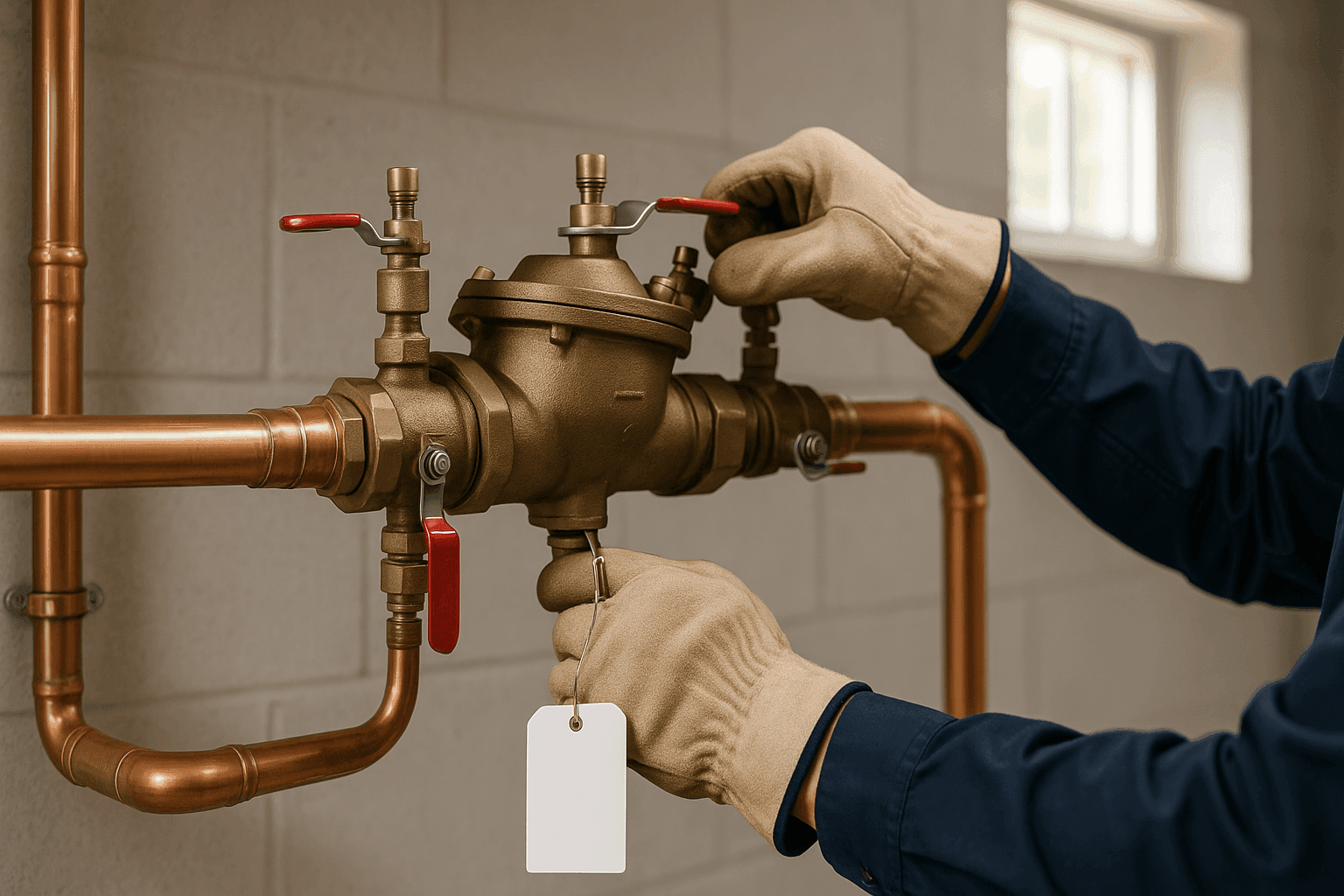
Clean water isn’t just a modern convenience—it’s the main ingredient in your family’s health and comfort. But there’s a silent threat that can sneak into any home: backflow. Imagine turning on your tap only to find out your drinking water is tainted. It happens more often than you might think, and it’s exactly why Dennis Foley Plumbing takes backflow prevention so seriously.
If you’ve ever wondered why plumbers talk about “backflow preventers,” or why cities require annual testing, you’re in the right place. Let’s break down what backflow is, why it matters, and how you can protect your home’s water supply without worry.
What Is Backflow? 🚰
Backflow is like a river running in reverse. Instead of water flowing safely into your home, it rushes backward—carrying everything it picked up along the way. This can include dirt, fertilizer, bacteria, or chemicals. Not the kind of cocktail you want in your glass.
What Causes Backflow?
- Backpressure: When your home’s water system creates more pressure than the public water supply. This can happen if you have a boiler, water heater, or even a garden hose connected to a fertilizer sprayer. Suddenly, water starts moving the wrong way.
- Backsiphonage: Think of it like sucking on a straw. If there’s a sudden drop in the main water supply (maybe a fire hydrant opens down the street), the pressure drops. Water from your house gets pulled back into the public system.
Why Does This Happen in Homes?
- Faulty plumbing connections.
- Sudden bursts or leaks in the city’s water lines.
- Improper installation of hose bibs, toilets, or irrigation systems.
Even small mistakes—like leaving a hose submerged in a bucket—can set the stage for backflow. The risk isn’t just theoretical. It’s a problem that affects homes across neighborhoods, not just factories or big businesses.
Health and Safety Risks
When backflow happens, it’s not just inconvenient. It’s dangerous. Contaminated water can sneak into your everyday routine—brushing teeth, washing food, filling a glass. The risks can range from mild stomach bugs to more serious illnesses caused by bacteria, pesticides, or even industrial waste.
What’s at Stake?
- Illness and Infection: Contaminants like E. coli or chemicals can cause serious health problems—especially for children, seniors, or anyone with a weakened immune system.
- Property Damage: Contaminated water can corrode pipes and fixtures, leading to costly repairs or replacements.
- Legal Issues: Most towns require backflow prevention by law. Failing to comply can mean fines or service shut-off.
According to the Environmental Protection Agency (EPA) and local building codes, backflow prevention isn’t optional. It’s the law—because clean water is a community effort.
How Backflow Preventers Work
Picture a one-way gate for your water supply. That’s what a backflow preventer does. It lets clean water in, but slams shut if anything tries to flow backwards.
Main Types of Backflow Preventers
- Atmospheric Vacuum Breakers (AVB): Simple and reliable. Installed on outdoor faucets and irrigation systems.
- Pressure Vacuum Breakers (PVB): Common in lawn sprinkler systems. Stops water from flowing backward if pressure drops.
- Double Check Valve Assemblies (DCVA): Used for low- to medium-hazard situations (like fire sprinkler systems).
- Reduced Pressure Zone (RPZ) Assemblies: The gold standard for high-risk areas. These are often required near boilers or chemical dispensers.
Installation & Testing
Backflow preventers aren’t “set and forget.” Local codes typically require installation by licensed plumbers—like the team at Dennis Foley Plumbing. Annual testing is a must, too. Certified backflow testers check that each device works perfectly, and file reports with your city or township.
Every region has its own rules. For example, many municipalities require RPZ assemblies for homes with irrigation systems or certain water heaters. Skipping testing isn’t just risky—it’s often against the law.
Quick Safety Checklist
Want to make sure your home’s water supply is protected? Start here:
- Know where your water shut-off valve is.
- Inspect outdoor faucets and hoses for leaks or improper attachments.
- Never submerge hoses in buckets, pools, or ponds.
- If you have a sprinkler or irrigation system, check for a visible backflow preventer.
- Schedule annual backflow testing with a licensed, certified plumber.
- Ask about regional requirements—what’s needed in your town may differ from the next.
If you spot discolored water, strange tastes, or odors, don’t wait. It’s time to call for leak repair near you or emergency plumbing help.
DIY vs. Call a Pro
Some plumbing fixes are perfect for a weekend warrior. Backflow prevention isn’t one of them. Why? Because installing and testing backflow devices requires specialized training, knowledge of local codes, and the right tools.
What You Can Do Yourself
- Keep hoses out of buckets and ponds.
- Use hose bib vacuum breakers if you water your garden.
- Regularly check for leaks or dripping faucets.
When to Call a Professional
- Installing or replacing any backflow prevention device.
- Annual backflow testing (required by law in most areas).
- If you suspect water contamination or notice changes in water pressure.
- Any plumbing job that involves your main water line or sewer system.
Dennis Foley Plumbing’s licensed plumbers and certified backflow testers know exactly what your local code requires—and how to keep your water safe.
What Pros Do On Arrival
When you call a pro for backflow prevention, here’s what to expect:
- Inspection: We assess your home’s plumbing. Which fixtures need protection? Are existing devices up to code?
- Device Selection: Not all backflow preventers are created equal. We choose the right one for your risk level and local rules.
- Installation: All work is done according to current plumbing code—no shortcuts, no guesswork.
- Testing: Certified testers pressurize the system, check for leaks, and ensure the device works as intended.
- Documentation: Many towns require detailed reports for compliance. We handle the paperwork so you stay in good standing.
Prevention & Maintenance
Backflow devices aren’t just “install and forget.” Like a smoke alarm, they need regular checks to make sure they’ll work when you need them most.
How to Keep Your Water Safe
- Annual Testing: Mark your calendar. Many local codes require this, and it catches problems before they become emergencies.
- Routine Visual Checks: Look for signs of rust, leaks, or odd noises near your device.
- Flush Your System: If your water looks or smells strange, flush your pipes and call for inspection.
- Keep Fixtures Clean: Regular cleaning reduces the risk of contamination from kitchen or bathroom plumbing.
The Plumbing-Heating-Cooling Contractors Association (PHCC) and American Society of Sanitary Engineering (ASSE) both recommend backflow devices be tested and serviced by a certified professional every year.
Costs & Time Factors
No one likes surprise bills or long waits. Here’s what to expect when it comes to backflow prevention.
Typical Costs
- Installation: Depends on the type of device and your home’s existing plumbing. Simple residential installs are usually less than commercial projects.
- Annual Testing: Usually a quick visit—no need to disrupt your day.
- Repairs or Replacements: If a device fails testing, it may need repair or replacement. Catching problems early saves money.
Time Factors
- Initial Install: Most jobs take a few hours, but complex setups (or older homes) might need more time.
- Annual Testing: Usually under an hour for a standard home.
- Emergency Call-Outs: Response times vary, but Dennis Foley Plumbing offers emergency plumbing services 24/7.
When It’s an Emergency
Sometimes, you can’t wait. If you notice sudden drops in water pressure, discolored water, or suspect a backflow event:
- Shut off your main valve if possible.
- Avoid using household water until it’s checked.
- Call Dennis Foley Plumbing for emergency plumbing help. Fast action keeps your family safe.
If you live in a flood-prone area or have recently had sewer line work, stay extra vigilant—these situations can increase backflow risk.
FAQ: Backflow Prevention
Do all homes need a backflow preventer?
Most homes benefit from at least a basic device, especially if you have irrigation, a pool, or certain appliances. Some towns require them for every home.
How often should backflow devices be tested?
Annually, according to most local codes and the ASSE. Some areas may require more frequent checks for certain fixtures.
What if my backflow preventer fails a test?
It must be repaired or replaced—immediately. It’s not just about compliance; it’s about your health and your neighborhood’s safety.
Are backflow preventers required by law?
Yes, in most towns and cities. Requirements vary, so always check with local plumbing authorities or ask a certified plumber.
Local/Seasonal Considerations
Every region has its quirks. In colder areas, freezing can damage outdoor backflow devices—insulate them before winter hits. Some municipalities require specific models for certain climates or high-risk zones (like floodplains).
If you’re not sure what your local code requires, just ask. Dennis Foley Plumbing stays up-to-date with all regional regulations, so your home is always in compliance.
Keep Your Water Safe with Dennis Foley Plumbing
Backflow prevention isn’t just a box to check—it’s your first line of defense against contamination and costly plumbing emergencies. Whether you need annual testing, installation, or urgent leak repair near you, Dennis Foley Plumbing is ready to help.
Call Dennis Foley Plumbing now — or reach us anytime at 888-997-4573 .