How to Choose the Right Water Heater for Your Home
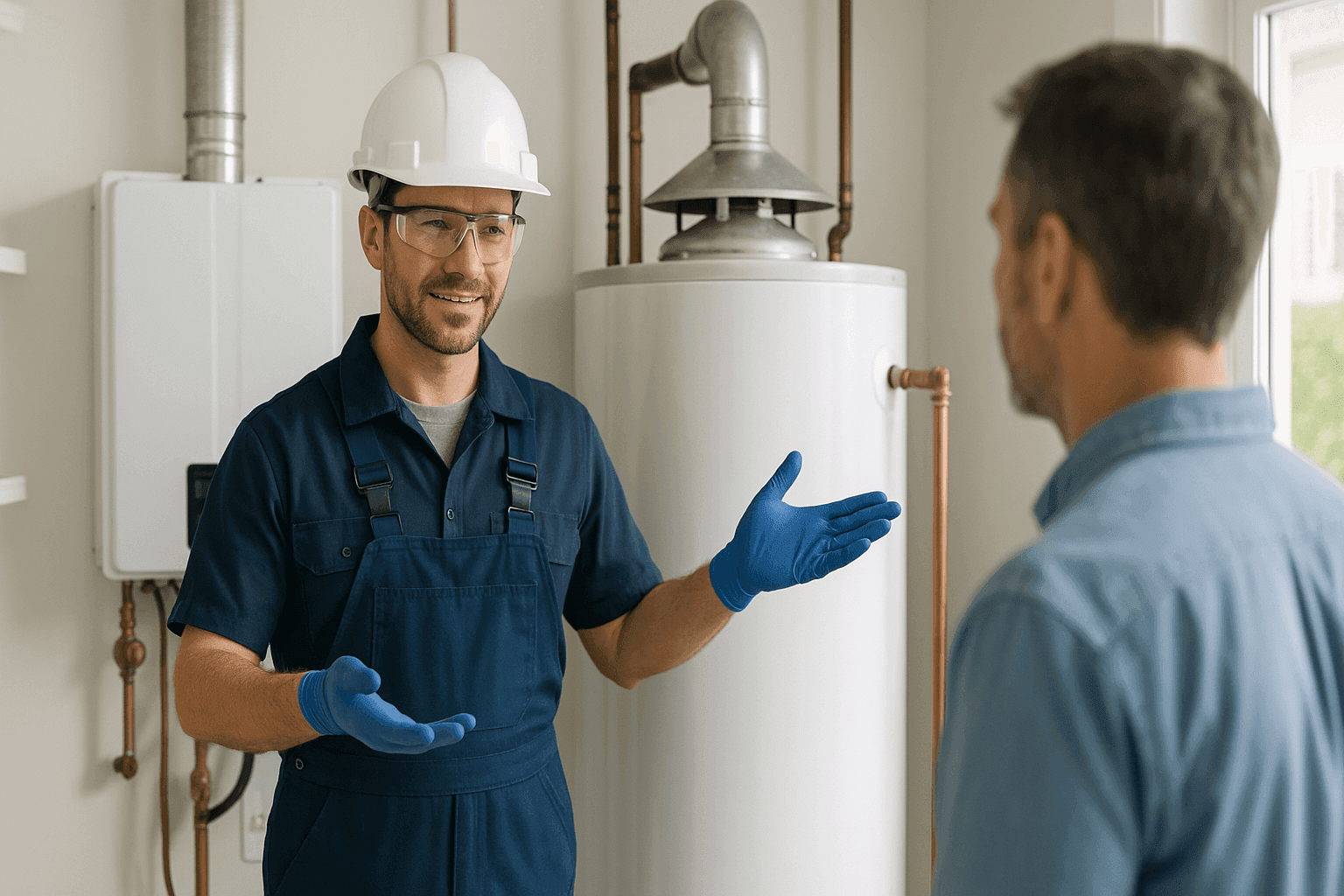
When your shower turns icy on a winter morning, you feel it in your bones—your water heater matters. Maybe your old tank’s grumbling, or you’re building your dream bathroom. Either way, picking a new water heater can feel like staring down a maze of pipes and numbers.
At Dennis Foley Plumbing, we know every home—and every family—runs a little differently. Our licensed team helps homeowners make smart, safe choices, every day. Let’s walk through what you need to know.
Types of Water Heaters 🔥
Water heaters aren’t all the same. Think of them like cars: different models, different fuel, different journeys.
Tank Water Heaters
These are the classics. A big insulated tank keeps gallons of hot water ready. When you turn on the tap, hot water flows. Simple, reliable, but they do use energy keeping water hot all day.
- Pros: Lower upfront cost. Familiar technology. Easy to install and repair.
- Cons: Can run out during heavy use. Takes up space. Standby heat loss (like leaving a kettle on simmer).
- Best for: Families with predictable routines.
Tankless Water Heaters
On-demand magic. Heats water only when you need it. No tank. Endless hot showers (in theory).
- Pros: Saves space. Lower energy bills. Lasts longer than tanks.
- Cons: Higher initial cost. Might struggle with multiple showers or appliances running at once.
- Best for: Smaller homes, or anyone who hates running out of hot water.
Hybrid Water Heaters
Think of these as the hybrids of the plumbing world. They use a heat pump and a tank—pulling warmth from the air to heat your water.
- Pros: Lower energy use, especially in warm climates. Rebates often available.
- Cons: Needs more space and good airflow. Costlier upfront.
- Best for: Utility rooms or garages with enough space and moderate temperatures.
Solar Water Heaters
Harnesses sunlight. Panels on your roof heat water directly or heat a fluid that transfers warmth to your tank.
- Pros: Greatly reduces utility bills. Eco-friendly.
- Cons: Expensive at first. Needs roof space and a sunny location. May need a backup heater for cloudy days.
- Best for: Homes in sunny regions, owners staying long-term.
Cost Range:
- Tank: $500–$1,800 (not including install)
- Tankless: $800–$3,000
- Hybrid: $1,200–$3,500
- Solar: $2,000–$6,000+
(Source: U.S. Department of Energy)
Sizing Your Water Heater 🧩
Getting the right size is like picking the right pair of shoes. Too small? You’re left cold. Too big? You’re paying to heat water you’ll never use.
Key Factors
- Home Size: More bathrooms mean more demand.
- Family Size: More people, more showers, more dishes.
- Climate: Cold water entering your heater in winter needs more energy to heat up.
- Usage Patterns: Morning rush hours? Back-to-back baths?
Quick Sizing Tips
- Tank heaters: 30–40 gallons for 1–2 people. 40–50 gallons for 3–4. Upwards for larger families.
- Tankless: Look at flow rate (gallons per minute). Add up everything you might run at once.
- Hybrid/Solar: Similar to tank, but check manufacturer guidelines.
A Dennis Foley Plumbing technician can help calculate your home’s peak demand—so you’re never left shivering.
Energy Efficiency & Rebates 💡
A water heater eats up about 18% of a typical home’s energy bill (U.S. DOE). So, efficiency isn’t just green—it’s friendly to your wallet too.
What to Look For
- Energy Factor (EF) or Uniform Energy Factor (UEF): Higher numbers mean better efficiency.
- ENERGY STAR® Label: Meets tighter standards for savings.
- Fuel Source: Natural gas, propane, electric—each has local pros and cons. In many areas, electricity is pricier than gas, but it depends on rates near you.
Rebates & Incentives
- Federal Tax Credits: Many efficient models qualify.
- Utility Company Rebates: Check your local utility or state energy office.
- Solar Incentives: Some states offer big boosts for solar installations.
You can check the Database of State Incentives for Renewables & Efficiency (DSIRE) for updated rebate and incentive information.
Professional Installation Matters 🛠️
A water heater isn’t just another appliance. It’s a pressure vessel, and mistakes can cause leaks, scalds, or even explosions.
Why It’s Important
- Safety: Gas lines, high-voltage wiring, venting—each one needs careful, code-compliant work.
- Warranty: Many brands require licensed installation for coverage.
- Code Compliance: Local plumbing codes exist to protect you and your home.
At Dennis Foley Plumbing, our licensed installers know the National Standard Plumbing Code and local requirements inside and out. We handle everything—so you can sleep easy.
Local Fuel & Electricity Costs
Not all hot water is created equal. In some areas, natural gas is far cheaper than electricity. In others, electric rates are competitive, and hybrid or solar models make more sense. We’ll help you compare your options based on what’s available near you.
Practical Tips for Choosing
- Don’t overbuy: Bigger isn’t always better. It just means higher bills.
- Consider future needs: Is your family growing? Planning to sell soon?
- Ask about maintenance: Some units are easier (and cheaper) to maintain.
FAQ
How long does it take to install a new water heater?
Most installations take 2–6 hours, depending on the type and location. Upgrades (like switching from tank to tankless) may take longer for venting or electrical work.
Can I install a water heater myself?
DIY is risky here. Water and gas lines are no place for guesswork. Code violations, leaks, or carbon monoxide risks aren’t worth it. Always use a licensed professional.
How long do water heaters last?
- Tank: 8–12 years (with regular maintenance)
- Tankless: 15–20 years
- Hybrid/Solar: 10–15 years
Regular leak detection and preventative maintenance can stretch your investment.
When to Call for Emergency Plumbing
No hot water at all? Leaking tank? Smell of gas? These are emergencies. Turn off the water supply, cut the power or gas at the source, and call for emergency plumbing help. Dennis Foley Plumbing is always here for leak repair near you.
Closing Thoughts
Choosing a new water heater isn’t just about comfort—it’s about safety, savings, and peace of mind. Whether you’re upgrading for efficiency or scrambling because your old tank just burst, Dennis Foley Plumbing is ready to help.
Call Dennis Foley Plumbing now — or reach us anytime at 888-997-4573 .