DIY vs. Professional Drain Cleaning: What Homeowners Need to Know
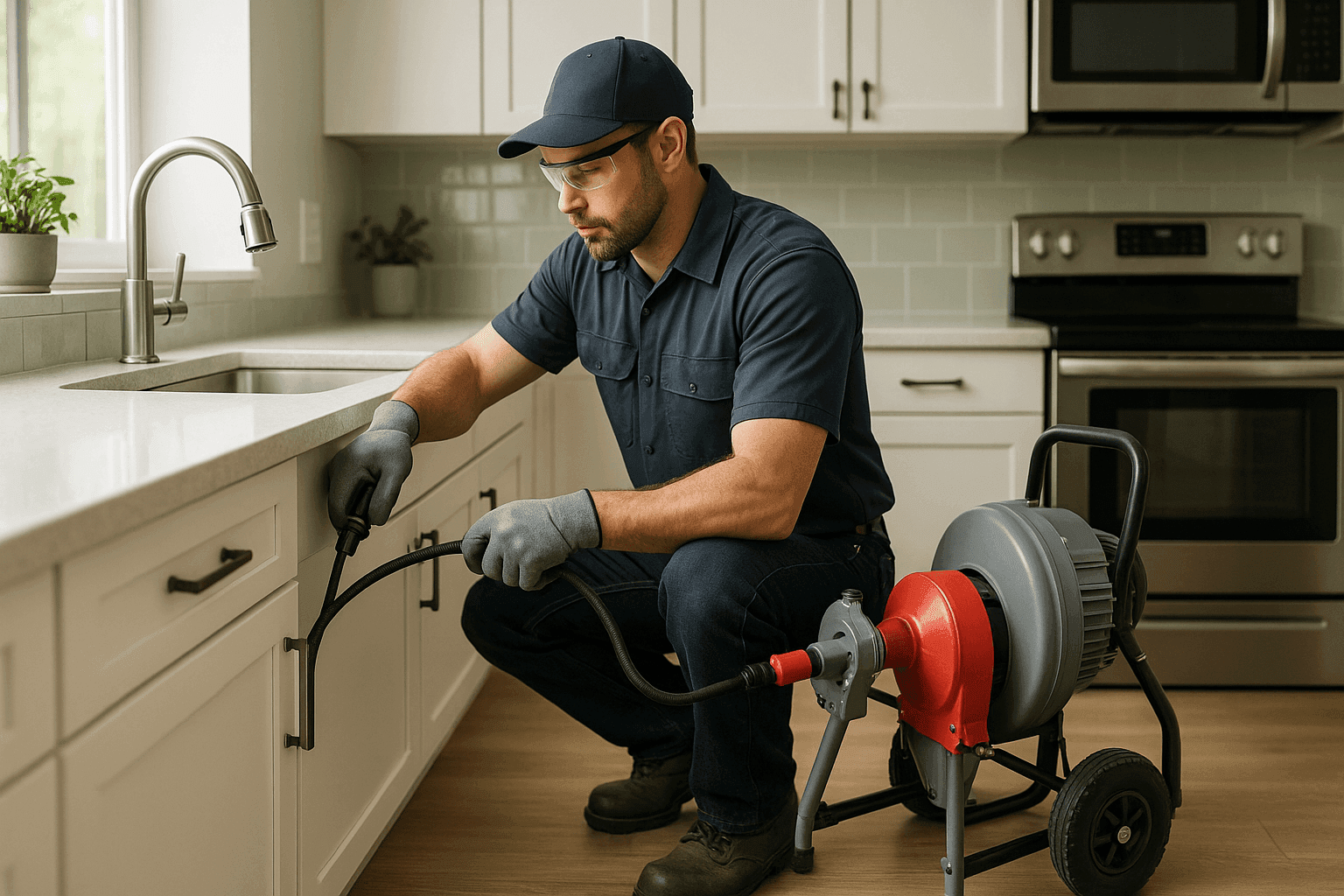
Homeowners know the feeling: water swirling in the sink but going nowhere, panic rising. Is this a quick DIY fix, or should you call for emergency plumbing? At Dennis Foley Plumbing, we’ve seen every kind of clog imaginable—kitchen mishaps, bathroom backups, and everything in between. With decades of experience in Leak Repair near you, here’s what every homeowner should understand about cleaning out drains safely and effectively.
Why Drains Clog
Drains are like busy highways beneath your home. When traffic jams happen, it’s usually for a reason:
- Kitchen drains: Food scraps (even with a garbage disposal), grease, coffee grounds, and soap residue are the usual suspects. Grease especially cools, hardens, and clings to pipe walls, much like cholesterol in arteries.
- Bathroom drains: Hair, soap scum, and toothpaste create a sticky net that catches everything else. Even “flushable” wipes can build up, causing major headaches.
- Laundry drains: Lint, fabric softener residues, and the occasional sock or string can block these pipes.
- Seasonal factors: In some regions, tree roots seek moisture in dry months and invade older clay or cast iron pipes, a common call we see at Dennis Foley Plumbing.
A slow drain is your early warning sign. Ignore it, and you could be dealing with a full-blown backup—never fun, especially at midnight.
Safe DIY Drain Cleaning Methods 🛠️
If you like rolling up your sleeves, there are safe ways to tackle minor clogs yourself. Here’s how to avoid making things worse:
Tools and Tips
- Plunger: Still a hero for sinks and tubs. Ensure a tight seal and use steady, strong pushes.
- Hot Water: Sometimes, a kettle of boiling water poured slowly down the drain can break up grease. Always check your pipe type first; boiling water can damage PVC pipes.
- Baking Soda & Vinegar: Pour half a cup of baking soda, then half a cup of vinegar. Cover the drain, wait 15 minutes, then flush with hot water. This fizzy combo helps clear mild blockages and deodorizes.
What to Avoid
- Chemical Drain Cleaners: These seem convenient but can corrode your pipes, harm septic systems, and pose health risks. The EPA and local plumbing codes recommend chemical-free options whenever possible.
- Wire Hangers: Tempting as a quick fix, but they often scratch pipes and push clogs deeper.
Most minor clogs can be cleared with these methods. If water still won’t go down, it’s time to reconsider your approach.
Professional Techniques: What Sets the Pros Apart 🧰
When a clog laughs in the face of your plunger, Dennis Foley Plumbing brings out the big guns. These aren’t just fancier tools—they’re your best hope for a lasting fix:
- Snaking (Augering): A professional-grade auger goes far deeper than a household snake, grabbing stubborn clogs and retrieving objects.
- Hydro-Jetting: Think of this as a pressure washer for your pipes. A jet of water scrubs away years of buildup without chemicals, which the American Society of Plumbing Engineers recommends for tough, recurring clogs.
- Camera Inspections: Tiny waterproof cameras snake through your pipes, showing our team exactly what’s blocking water flow—tree roots, collapsed lines, or even lost jewelry.
With Dennis Foley Plumbing, our technicians have the training and experience to use these methods safely, minimizing the risk of pipe damage or future blockages.
When to Call a Pro
Some clogs are warning flares. Here’s when you should put down the plunger and reach for the phone:
- Water backs up in multiple fixtures (sink, tub, toilet—especially on the same floor)
- Repeated clogs in the same drain—indicates a deeper problem
- Gurgling noises or bubbling in other drains when you run water
- Bad odors that won’t go away (could signal a sewer line issue)
- Slow drains after storms or heavy rain—may mean tree root intrusion or broken pipes
Tackling these yourself can lead to broken pipes, flooding, or even dangerous gas leaks if you disturb a sewer line. For serious cases, emergency plumbing service from Dennis Foley Plumbing keeps your home safe and dry.
What Pros Do On Arrival
When our team arrives, we don’t just dive in. Here’s what you can expect from Dennis Foley Plumbing:
- Assessment: We ask questions, inspect the affected areas, and may use cameras to pinpoint the problem.
- Tool selection: Based on the clog’s location and severity, we choose the safest, most effective method.
- Pipe checks: We always check for signs of corrosion or damage to avoid bigger issues down the road.
- Clean-up: Respect for your home is a top priority—no muddy footprints or mess left behind.
Prevention & Maintenance 🧼
The best clog is the one that never happens. Here are practical steps to keep your drains flowing:
- Strainers: Use them in sinks and tubs to catch food and hair.
- Regular hot water flushes: Once a week, pour hot (not boiling) water down each drain.
- No grease down the drain: Collect fats and oils in a can, then toss in the trash.
- Limit disposal use: Even with a garbage disposal, scrape plates into the trash first.
- Annual professional inspections: Early detection of root intrusion or pipe deterioration can save thousands in emergency plumbing costs.
Costs & Time Factors
DIY methods are often cheap—just the cost of baking soda or a new plunger. But remember:
- DIY: May need several tries, and recurring clogs can signal bigger issues.
- Professional cleaning: Typically takes 30–90 minutes for standard blockages. Deeper issues (like tree roots) can take longer. Costs vary by severity but are often less than the price of repairing water damage caused by a backup.
Always weigh the time and risk against the cost of professional help—especially if you’re not sure what’s lurking in your pipes.
When It’s an Emergency 🚨
Not all clogs can wait. Call Dennis Foley Plumbing for emergency plumbing if you notice:
- Water overflowing onto floors
- Sewage backing up from drains
- Multiple fixtures clogged at once
- A sudden drop in water pressure following a clog
These situations can quickly cause health hazards and structural damage. Fast, professional help is essential.
FAQ
Q: How often should I have my drains professionally cleaned?
A: For most homes, every 1–2 years is enough. If you have frequent issues or old pipes, yearly checks are smart.
Q: Are store-bought “drain snakes” safe to use?
A: For minor clogs, yes. But they’re often too short or flimsy for serious blockages—and can get stuck or damage pipes if misused.
Q: Is it safe to use baking soda and vinegar on all pipes?
A: Yes, this combo is gentle and won’t harm pipes. Just avoid if you’ve recently used chemical cleaners.
Q: What if I smell rotten eggs from a drain?
A: This could be sewer gas. Don’t ignore it—call a plumber, as it may signal a broken or blocked vent or trap.
Local/Seasonal Considerations 🌳
In many neighborhoods, older homes with clay or cast iron pipes are more vulnerable to tree root intrusion—especially after dry spells or heavy rains. In colder climates, pipes can contract and make clogs worse. If you live in an area with lots of trees or frequent freeze-thaw cycles, preventative maintenance is even more important.
Dennis Foley Plumbing has served local families through every season, tackling everything from spring root invasions to winter backups. Our team is always ready to help—day or night.
Call Dennis Foley Plumbing now — or reach us anytime at 888-997-4573 .