Fixture Installation: How to Upgrade Faucets, Showers & More
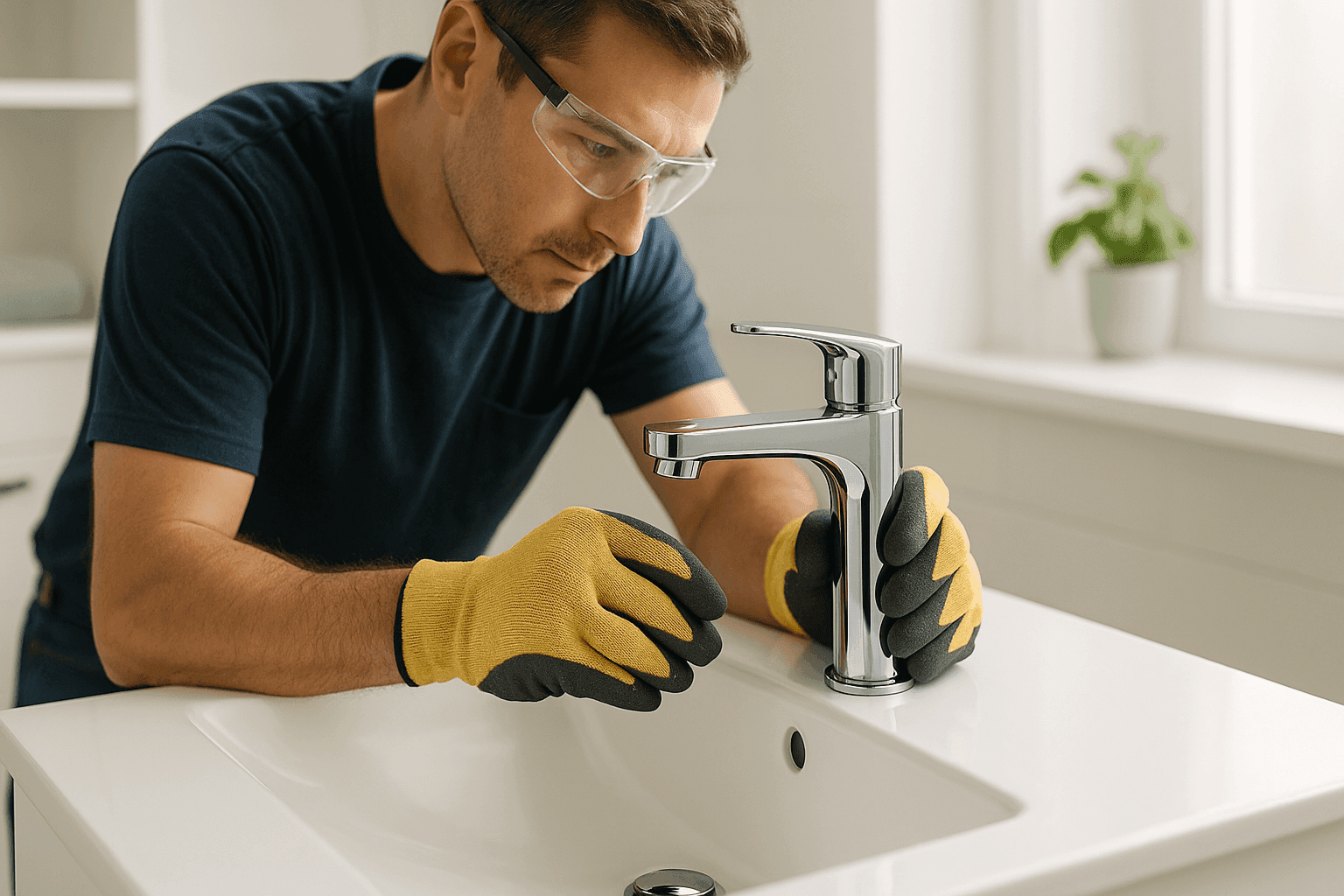
Upgrading the fixtures in your home can feel like swapping out old shoes for a fresh pair—suddenly, everything just feels better. A new faucet or showerhead isn’t just about looks; it’s about efficiency, comfort, and peace of mind. At Dennis Foley Plumbing, we understand the importance of getting the job done right, whether you’re tackling a weekend project or faced with an emergency plumbing situation.
Let’s walk through the why, the how, and those moments when calling a licensed plumber is the smartest move. No nonsense, just practical steps and honest advice for homeowners ready to make a change.
Why Upgrade Fixtures? 💧
Most folks don’t think about their faucets or showerheads until something goes wrong. But upgrading your fixtures is about more than stopping a drip. Here’s why it might be time for an upgrade:
- Efficiency: Modern fixtures use less water, saving you money and helping the planet. According to the EPA’s WaterSense program, water-saving models can cut usage by 20% or more.
- Aesthetics: A shiny new faucet can make a tired bathroom or kitchen look brand new. Styles change—your home can, too.
- Leaks: Old fixtures often hide slow leaks. Even a drip can add up, both in water bills and hidden damage.
- Home Value: Upgraded fixtures are a simple way to increase your home’s value and appeal, especially if you’re considering selling.
Whether you’re after style, savings, or just smoother operation, swapping out fixtures is a smart investment.
Choosing the Right Fixtures
Thinking it’s time for a change? Here’s how to pick the fixture that fits your style and your needs:
- Features: Decide if you want single-lever handles, touchless operation, or built-in filtration. Some faucets have built-in sprayers or soap dispensers—think about what actually makes your day easier.
- Finishes: Chrome, brushed nickel, matte black, bronze—the options are endless. Choose what fits your space and is easy to clean. Some finishes hide fingerprints better than others.
- Compatibility: Not all fixtures fit all sinks or tubs. Check the number of holes, spacing, and the water supply lines before you buy. If you’re unsure, take a photo or bring measurements to the hardware store.
- Water-Saving Models: Look for WaterSense labels or models rated for low-flow. They use less water without sacrificing performance, making them a smart choice for families and the environment.
Local style tip: In many neighborhoods, homeowners are choosing matte black fixtures for a modern look, while classic bronze remains popular in traditional homes.
Installation Steps & Tips
You don’t need to be a master plumber to handle basic fixture upgrades, but you do need to be careful. Here’s a straightforward path:
- Shut Off the Water: Always turn off the supply valves under the sink or behind the toilet. Double-check by turning on the faucet to drain leftover water.
- Remove the Old Fixture: Use a wrench to loosen connections. If it’s stuck, a little patience (or WD-40) goes a long way. Keep a towel handy for drips.
- Clean the Area: Old putty and grime can keep new fixtures from sealing tight. Scrape away buildup for a clean, smooth surface.
- Install the New Fixture: Follow the manufacturer’s instructions. Use plumber’s tape on threaded connections and apply a bead of plumber’s putty or silicone where recommended.
- Tighten Carefully: Over-tightening can crack porcelain or strip threads. Snug is good; superman strength isn’t needed.
- Check for Leaks: Turn the water back on slowly. Watch and feel for leaks around connections. If you spot drips, tighten connections just a bit more.
When to Call a Pro
Some upgrades are best left to someone with the right tools and knowledge:
- Complicated Installations: Moving plumbing lines, installing a new shower valve, or adding features like filtration systems can get tricky fast.
- Building Codes: Kitchen and bathroom plumbing must meet local codes. Licensed plumbers know the rules and can pull permits if needed.
- Warranty Protection: Many manufacturers require professional installation for warranties to remain valid.
- Gas Lines: Never DIY gas line installations or repairs. That’s a safety issue—always call a licensed plumber.
If you’re in doubt, or if water starts spraying like a geyser, don’t wait. Emergency plumbing services like Dennis Foley Plumbing are available to help—day or night.
Quick Safety Checklist 🛠️
Before you grab a wrench, remember:
- Turn off water at the source (valve or main).
- Unplug electrical devices nearby.
- Use proper tools—no improvising with butter knives.
- Wear gloves and eye protection where needed.
- Keep towels and a bucket handy for spills.
- Read all manufacturer instructions and follow them.
- Know where your main shutoff is in case of surprises.
Don’t rush. A little extra care prevents big headaches.
What Pros Do On Arrival
When Dennis Foley Plumbing arrives for a fixture installation, here’s what you can expect:
- Full Assessment: We check the area, inspect for hidden leaks, and evaluate the condition of nearby pipes.
- Proper Shutoff: Water is turned off at the correct point to avoid unnecessary flooding.
- Professional Removal: Old fixtures are removed carefully to protect your counters, sinks, or tubs.
- Secure Installation: We use code-compliant materials, sealants, and tools to ensure a leak-free result.
- Full Testing: Every connection is checked, and the fixture is tested for flow, temperature, and operation.
- Cleanup: We leave your space as tidy as we found it.
All work is performed by licensed, experienced plumbers—giving you peace of mind.
Prevention & Maintenance
Want to keep new fixtures working smoothly? Here’s how:
- Wipe down fixtures regularly to prevent buildup and corrosion.
- Avoid harsh cleaners that can damage finishes.
- Check under sinks and behind toilets for slow leaks every few months.
- Tighten handles and spouts if they become loose.
- Replace washers or cartridges at the first sign of drips.
- Schedule annual plumbing inspections, especially in older homes.
A little routine care helps avoid emergency plumbing calls later.
Costs & Time Factors
Every home is different, but here are some general factors:
- Fixture Type: Swapping a faucet is usually quicker and less costly than a full shower valve replacement.
- Accessibility: Tight spaces or hidden pipes add time.
- Condition of Existing Plumbing: Corroded or outdated pipes can require extra work.
- DIY vs. Professional: Doing it yourself saves on labor, but mistakes can lead to costly repairs.
Most basic installations take 1–2 hours. More complex jobs might need half a day or more. For a precise estimate, it’s worth getting a professional assessment.
When It’s an Emergency
Sometimes, a simple upgrade turns into a full-blown emergency plumbing scenario—like when a corroded shutoff valve breaks or a connection bursts. Here’s what to do:
- Shut off your main water supply immediately.
- Move valuables out of the way to prevent damage.
- Call a licensed plumber for emergency assistance.
- Never try to force a fix if you’re unsure—it can make things worse.
Dennis Foley Plumbing is ready to handle leaks, burst pipes, and urgent repairs whenever you need help.
FAQ
1. Can I install a new faucet myself?
Yes, many homeowners successfully install faucets with basic tools and patience. Always follow safety steps and instructions. When in doubt, call a pro.
2. How do I know if my fixture is leaking?
Look for water pooling under sinks, dripping handles, or higher water bills. Some leaks are hidden—regular inspection helps.
3. What’s the most popular style in our area?
Matte black and brushed nickel are trending for a sleek, modern look. In some historic neighborhoods, classic chrome or bronze is still a favorite.
4. Are water-saving fixtures worth it?
Absolutely. They save water and money over time. Look for WaterSense-labeled products for maximum efficiency.
Local & Seasonal Considerations 🌦️
In colder regions, frozen pipes can be a problem—especially near exterior walls. When upgrading fixtures, it’s smart to insulate pipes or install frost-proof outdoor faucets.
In coastal areas, salty air can corrode metal finishes faster. Choose corrosion-resistant materials and rinse fixtures regularly.
If you live in a hard-water area, consider a water filtration system when upgrading to prevent scale buildup and keep fixtures looking new.
Upgrading your fixtures isn’t just a facelift for your home—it’s an investment in comfort, efficiency, and long-term peace of mind. Whether you’re tackling a simple faucet swap or planning a full remodel, Dennis Foley Plumbing is here to help with trusted, licensed service, clear communication, and real solutions for every plumbing need.
Call Dennis Foley Plumbing now — or reach us anytime at 888-997-4573 .