Gas Line Safety for Homeowners: Inspection, Installation & Emergency Tips
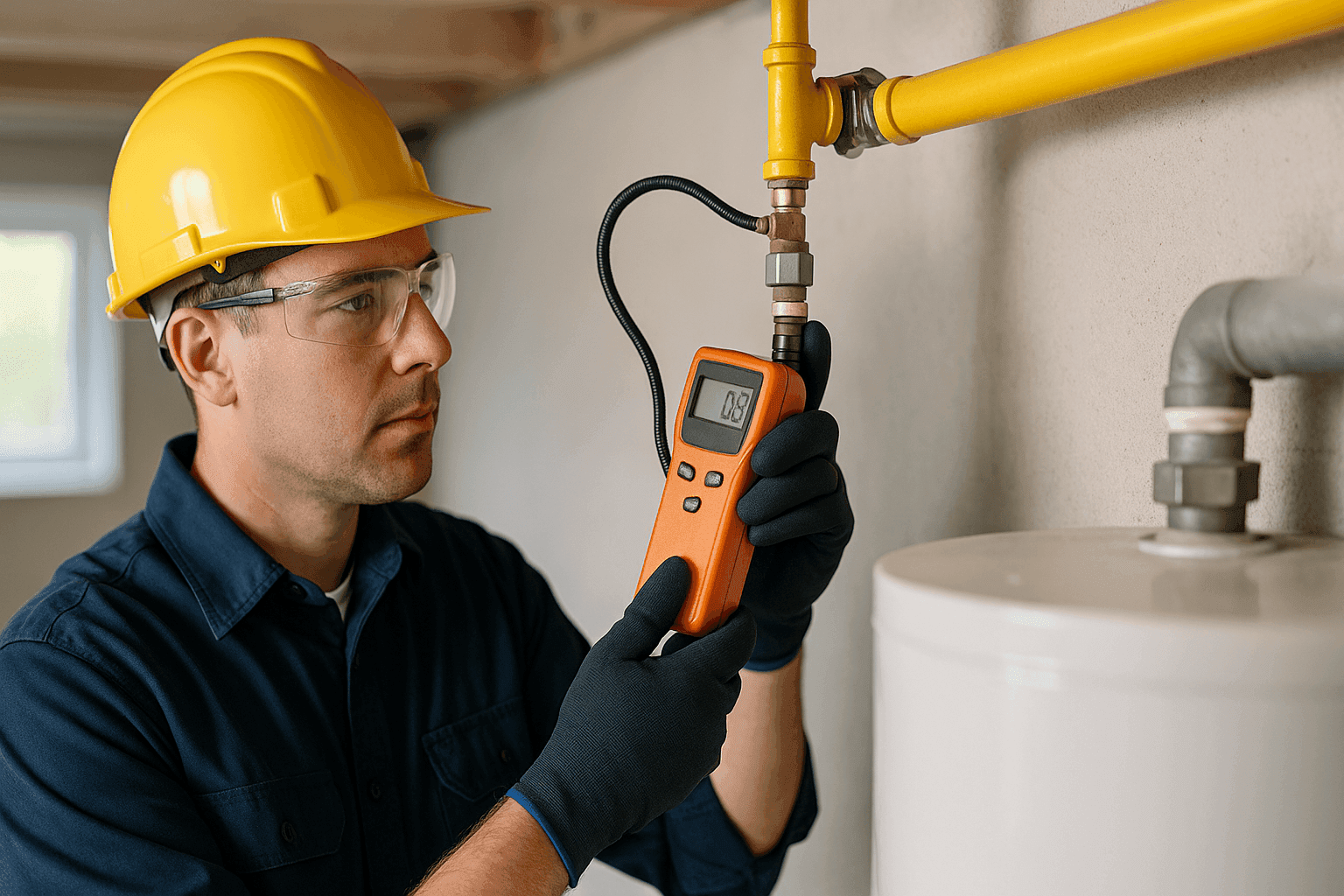
Keeping your family safe isn’t just about locking the doors at night. It’s about the unseen threats, too. Gas lines snake quietly through our homes, carrying power and potential danger. At Dennis Foley Plumbing, we’ve seen how quickly a calm day can turn urgent when a gas leak strikes.
This isn’t something to leave to chance—or to tomorrow. Whether you’re worried about a faint odor or planning a kitchen upgrade, understanding gas line safety is a must. Let’s make sure you know exactly what to do, and when to call for emergency plumbing help.
Why Gas Line Safety Matters 🛑
Natural gas makes modern living comfortable. But when things go wrong, the consequences can be severe:
- Explosion Risk: Gas is highly flammable. Even a small leak can fill a room, turning a spark into a disaster.
- Carbon Monoxide Poisoning: You can’t see or smell carbon monoxide, but it can quickly turn deadly.
- Fire Hazard: Leaking gas can ignite suddenly, especially near pilot lights, appliances, or static electricity.
According to the National Fire Protection Association, gas leaks and explosions cause thousands of emergencies every year. In regions prone to earthquakes or severe storms, shifting ground and structural movement can stress or crack gas lines, increasing the risk.
Signs of Gas Leaks
Your nose is often your first alarm. But gas leaks don’t always shout for attention. Here’s what to watch for:
- Smell: Utility companies add a rotten egg odor (mercaptan) to natural gas. If you smell sulfur or rotten eggs, take it seriously.
- Sound: Hissing or whistling near gas lines or appliances.
- Physical Symptoms: Headaches, dizziness, nausea, or sudden fatigue—especially if multiple people feel unwell.
- Dead Vegetation: Plants or grass dying for no clear reason above buried gas lines.
If you notice any signs, act fast. Don’t try to find the source. Don’t use light switches or phones in the area.
Installation & Inspection Best Practices 👷
Gas line work is not DIY territory. It’s more like defusing a bomb than changing a lightbulb. Here’s what matters:
- Licensed Professionals Only: Always use certified plumbers and gas fitters. In most regions, this is required by law.
- Follow Local Codes: Codes exist for a reason. They ensure lines are sized, routed, and secured properly.
- Annual Inspections: Schedule yearly checks. Even if nothing seems wrong, a licensed pro can spot early warning signs.
Refer to the International Fuel Gas Code and your regional building guidelines for specifics. For earthquake- or storm-prone areas, talk to your provider about flexible connectors and seismic shutoff valves.
What to Do in a Gas Emergency
When it comes to gas, hesitation is dangerous. If you suspect a leak:
- Evacuate Immediately: Get everyone (including pets) outside.
- Avoid Flames & Sparks: Don’t flip switches, use phones, or light matches.
- Turn Off the Gas at the Meter (if safe): The main shutoff is usually outside.
- Call 911: Emergency responders will check the area and ensure safety.
- Contact a Licensed Plumber: Once cleared by responders, call Dennis Foley Plumbing for emergency plumbing and leak repair near you.
Remember: Your safety is more important than property.
Quick Safety Checklist
- Smell rotten eggs? Leave, then call for help.
- See or hear suspicious leaks? Don’t investigate—get out.
- Know where your gas shutoff is. Teach everyone in your home.
- Schedule annual gas line inspections.
- Never ignore unexplained headaches or dizziness at home.
DIY vs. Call a Pro
Some home fixes make great weekend projects. Gas lines aren’t one of them.
Never attempt:
- Installing or moving gas lines
- Modifying appliances
- Patching leaks with tape or sealant
Always call a licensed, insured plumber for:
- New gas appliance hookups
- Gas line repairs or upgrades
- Code-required safety checks
DIY shortcuts may seem like a money-saver, but the risks dwarf any short-term gain. Gas work demands specialized tools, leak detection equipment, and deep knowledge of local codes.
What Pros Do On Arrival
When Dennis Foley Plumbing arrives for a gas line emergency or inspection, here’s what to expect:
- Full Leak Detection: Specialized meters and sensors check for even tiny leaks.
- Visual Inspection: We examine joints, connectors, and appliance hookups.
- Pressure Testing: Ensures the line holds steady under use.
- Code Compliance Review: We make sure your system matches the latest requirements.
We’ll walk you through findings, answer questions, and make clear recommendations. No mystery. No unnecessary work.
Prevention & Maintenance 🛠️
Small steps today prevent emergencies tomorrow:
- Annual Professional Inspections: Even if you don’t smell gas, have lines checked yearly.
- Appliance Upkeep: Keep stoves, water heaters, and dryers in good condition.
- Flexible Connectors: For earthquake-prone regions, ask about flexible or seismic-rated connectors.
- Don’t Block Vents: Ensure all appliance vents and flues are clear and functional.
- After Severe Weather: Schedule a check if your area experiences flooding, storms, or earth movement.
The U.S. Consumer Product Safety Commission and local gas utilities publish guidelines on safe gas appliance use—review them regularly.
Costs & Time Factors
Gas line work varies by home size, pipe location, and local regulations:
- Inspections: Usually take 1–2 hours.
- Minor Repairs: Could be a few hours, depending on access.
- Full Replacements or Installations: May require a day or more, especially if walls or landscaping are involved.
While emergency plumbing services are available around the clock, after-hours or holiday calls may affect timing and cost.
When It’s an Emergency
If you ever find yourself wondering, “Is this an emergency?”—treat it as one. Gas leaks, damaged lines, or unexplained symptoms are urgent.
- Leave the house.
- Save the number for Dennis Foley Plumbing.
- Call 911 for immediate danger.
- Don’t return until authorities say it’s safe.
FAQ
Q: How often should I have my gas lines inspected?
A: Annually is best, especially for older homes or after renovations.
Q: What should I do if I smell gas but can’t find the source?
A: Don’t search. Leave immediately. Call 911 and a licensed plumber.
Q: Can I install a gas appliance myself if I buy the right parts?
A: No. Only licensed professionals should handle gas installations.
Q: Is a faint gas smell always an emergency?
A: Yes. Any gas odor means you should evacuate and get professional help.
Local & Seasonal Considerations 🌦️
Weather and local conditions matter. In our region, storms, heavy rains, and shifting soil can damage underground lines. Earthquakes—even minor ones—may loosen fittings or crack pipes. If your home has seen recent severe weather, schedule a checkup.
For new residents, be aware of your local gas provider’s emergency hotline. Know your home’s gas shutoff valve location. And after a big storm, have your lines inspected—even if everything seems fine.
Gas line safety isn’t a luxury—it’s a necessity for every homeowner. If you’ve got questions, concerns, or need emergency plumbing, don’t wait.
Call Dennis Foley Plumbing now — or reach us anytime at 888-997-4573 .