How to Detect Water Leaks in Your Home Before They Cause Damage
Is there a strange musty odor wafting through your hallway? Maybe you’ve spotted a stain on the ceiling that wasn’t there last week. Leaks never seem urgent—until they suddenly are. At Dennis Foley Plumbing, we know even a small drip can quietly cause thousands in damage long before you hear the telltale splash.
You don’t have to wait for a plumbing emergency to take action. Learn the subtle signs of trouble, practical DIY checks, and when it’s time to call in licensed pros equipped with today’s best leak detection tools. Let’s help you protect what matters most—your home.
Common Signs of Household Leaks 🕵️
Water leaks don’t always announce themselves with puddles. Some hide, bide their time, and strike when you least expect it. Here’s what to watch for:
- Walls & Ceilings: Look for bubbling paint, peeling wallpaper, or patches that feel damp or cooler than the rest. Water leaves its fingerprints everywhere.
- Floors: Warped hardwood, spongy carpets, or loose tiles often point to water lurking underneath.
- Unexplained Odors: A persistent musty smell is a red flag—moisture feeds mold and mildew, even if you can’t see the source.
- Water Bill Spikes: If your usage shoots up and nothing else has changed, suspect a hidden leak.
- Sounds of Dripping or Running Water: When all is quiet, listen for faint hissing, trickling, or dripping—especially at night.
- Stains & Watermarks: Brownish or yellowish marks on ceilings or walls tell a story of water that’s been where it shouldn’t.
Many homeowners overlook these early warnings, chalking them up to “old house quirks.” Don’t make that mistake.
DIY Methods for Locating Leaks
Before you call in the cavalry, there are a few detective tricks you can try at home. You don’t need special tools—just a sharp eye, an open ear, and a little patience.
Water Meter Check
- Turn off every faucet and water-using appliance in your home.
- Locate your water meter (usually outside or in the basement).
- Record the reading, wait 1–2 hours (without using water), and check again.
If the numbers change, water is escaping somewhere.
Dye Test for Toilets
- Put a few drops of food coloring in the toilet tank.
- Wait 20–30 minutes without flushing.
- If colored water appears in the bowl, your flapper or tank seal may be leaking.
Listen for Leaks
At night, when the house is quiet:
- Walk slowly through each room, paying attention to the sound of running water behind walls, under floors, or near appliances.
- Check under sinks for dampness or the steady “tick” of a drop landing.
Check Appliances & Fixtures
- Inspect the areas around washing machines, dishwashers, water heaters, and under sinks for dampness, rust, or mineral buildup.
- Feel pipes for condensation or cold spots.
These methods can catch obvious leaks, but some are masters of disguise—slipping through cracks, below slabs, or inside walls where a DIY inspection can’t reach.
When Professional Leak Detection Is Needed
DIY can only take you so far. Some leaks hide behind walls, run under foundations, or travel along pipes you can’t see. If you notice:
- Persistent water stains, even after repairs
- Musty odors that won’t go away
- A water meter that keeps running
- Wet spots that keep coming back
It’s time for specialized help.
A licensed plumber like Dennis Foley Plumbing brings years of experience and training—plus advanced leak detection tools—so you get answers fast. Our team handles emergencies day or night, and we’re always prepared to respond to “leak repair near you” when you need it most.
Technologies Used by Pros 🔍
Plumbing isn’t just wrenches and pipes anymore. Here’s how professionals track down even the most elusive leaks:
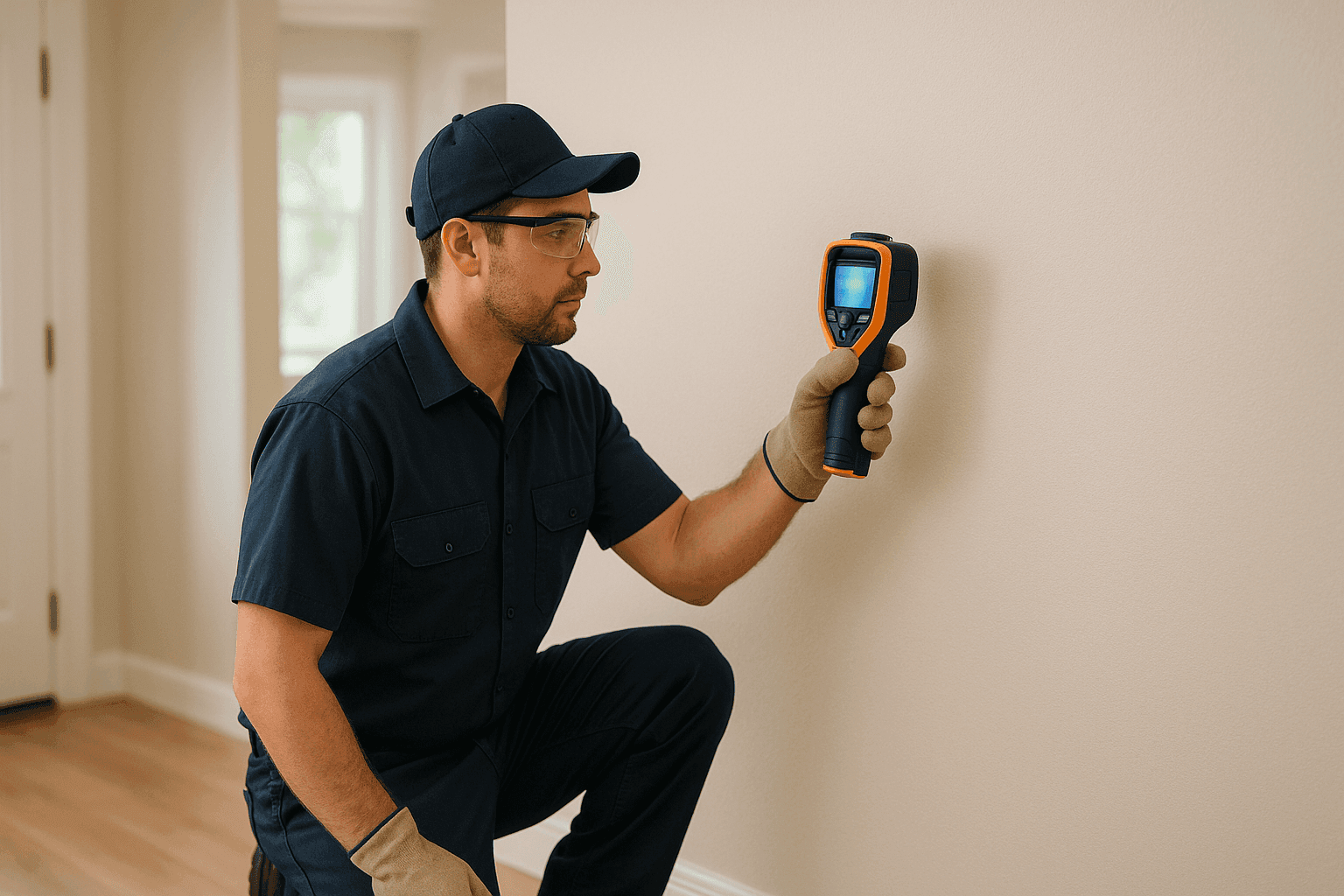
- Infrared Cameras: Detect temperature differences behind walls and floors, revealing hidden moisture without destroying drywall.
- Acoustic Sensors: Pick up the faint sounds of water escaping under concrete slabs or deep within pipes. It’s like a stethoscope for your home’s plumbing system.
- Video Inspection: Tiny cameras travel inside pipes, giving a direct look at blockages, cracks, or corrosion.
- Moisture Meters: Pinpoint exactly how far water has traveled in building materials.
These tools, combined with a trained eye, can find leaks before they become disasters—saving you time, money, and headaches.
Practical Advice for Early Detection
- Check Monthly: Walk through your home once a month, especially in basements, crawl spaces, and around appliances.
- Monitor Water Pressure: Sudden drops can signal a leak or obstruction.
- Know Your Plumbing Age: Pipes over 20–30 years old (especially galvanized or polybutylene) are more prone to hidden leaks and should be inspected regularly.
- Seasonal Awareness: In winter, watch for frozen pipes. In spring, heavy rains can stress sump pumps and sewer lines.
- Don’t Ignore Minor Drips: Even a slow leak can waste thousands of gallons a year and cause hidden rot.
Limits of DIY Leak Detection
Let’s be honest—some leaks are simply out of reach for most homeowners. Water can travel along beams, electrical lines, and through insulation, popping up far from the source. Older homes may have concealed plumbing, while newer construction often uses complex piping routed through slabs.
If you suspect a leak but can’t find it, or if you uncover extensive water damage, don’t wait. Delaying repairs can lead to:
- Mold growth (check CDC and EPA guidance for exposure risks)
- Structural damage to floors, walls, and foundations
- Skyrocketing water bills
- Electrical hazards if water seeps into wiring
A professional plumbing inspection offers peace of mind and can prevent future emergencies.
Plumbing for All Home Types
- Older Homes: Watch for leaks near original pipes, radiators, and under bathrooms. Plumbing materials may be outdated or deteriorating.
- Newer Homes: Even modern PEX or copper plumbing can develop issues at joints, connections, or from improper installation.
If you’re not sure about your home’s plumbing age or material, Dennis Foley Plumbing can help assess and recommend preventative steps.
FAQ
How do I know if I have a hidden leak?
Look for unexplained damp spots, stains, or a sudden increase in your water bill. Trust your senses—if something feels off, check it out.
Is a small leak really that serious?
Yes. Even slow drips can lead to mold, rot, and major repairs. Early action saves money and hassle.
Can I repair a leak myself?
Some minor leaks (like a loose faucet or visible pipe joint) can be DIY’d if you’re handy. For anything hidden or persistent, professional help is safest and meets local building codes.
How long does leak detection take?
Most professional inspections take 1–3 hours, depending on your home’s size and the leak’s location.
Local and Seasonal Considerations
In regions with cold winters, frozen pipes can burst and leak unexpectedly. After heavy rain, check basements and crawl spaces for water intrusion. Seasonal plumbing checks—especially before winter and after major storms—can catch problems before they escalate.
When to Call for Emergency Plumbing
If you spot flooding, rapid dripping, or sewage backups, it’s time to call an emergency plumbing service. Quick response prevents further damage and keeps your home safe.
Don’t wait for a leak to become a flood. If you’re unsure, need leak repair near you, or want a thorough inspection, reach out to Dennis Foley Plumbing. Our licensed team brings years of experience, the latest technology, and a commitment to safety on every job.
Call Dennis Foley Plumbing now — or reach us anytime at 888-997-4573 .