How to Safely Shut Off Your Home’s Water Supply in an Emergency
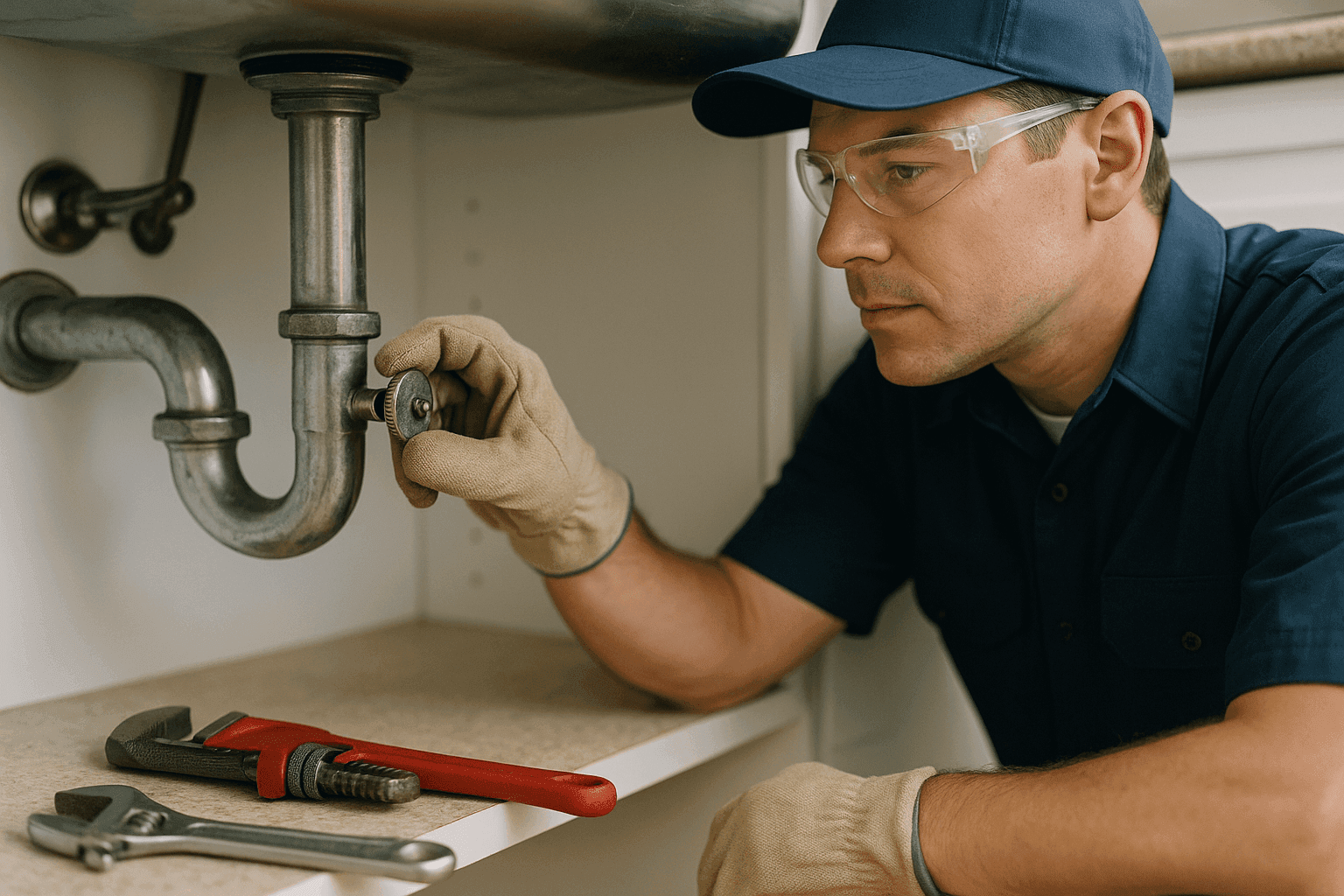
When water starts pouring where it shouldn’t—burst pipe, leaking valve, overflowing toilet—every second counts. That cold panic? You’re not alone. At Dennis Foley Plumbing, we know how stressful emergency plumbing situations can be. The good news: you can take control and stop the flow before things get worse.
Let’s walk through how to safely shut off your home’s main water supply in an emergency. These steps are simple, practical, and can help prevent thousands of dollars in damage while you wait for professional help.
Why Knowing Your Water Shut-Off Is Crucial 🚨
Imagine water gushing from a broken pipe like a river through your living room. The longer it runs, the worse the damage—warped floors, ruined furniture, even electrical hazards. According to the Insurance Information Institute, water damage is one of the most common and costly claims for homeowners.
Quick action is your best defense. Knowing how to shut off the main valve can:
- Stop flooding in its tracks
- Protect your belongings and property
- Prevent mold and structural damage
- Give you peace of mind until help arrives
It’s like having a fire extinguisher for your plumbing system—essential, but only if you know where it is and how to use it.
Finding Your Main Water Shut-Off Valve
The main shut-off valve controls all water coming into your home or small business. Locating it before an emergency hits is key.
Common Locations:
- Basement: Often found where the main water line enters through the wall or floor.
- Crawlspace: Look near the front foundation wall.
- Utility Room or Garage: Sometimes next to the water heater or laundry area.
- Exterior Walls: In warmer climates, it may be outside, attached to an exterior wall or in a ground box near the street.
Visual Identification Tips:
- Look for a round wheel handle or a lever attached to a pipe.
- The valve is usually located on the lowest level of the building, close to where the main water line enters.
- If your home has a water meter, the shut-off is often nearby.
Pro Tip: Walk through your property now—don’t wait for a crisis. If you can’t find it, ask your plumber during your next service call.
Different Types of Shut-Off Valves
Not all valves look or work the same. Here’s what you might find:
- Gate Valve: Looks like a circular wheel. Turn it clockwise (“righty-tighty”) until it stops. These are common in older homes.
- Ball Valve: Has a straight lever handle. Turn the handle a quarter turn (90 degrees) so it’s perpendicular to the pipe. When the handle is aligned with the pipe, water is on; when it’s across, water is off.
- Other Types: Occasionally, you’ll see a knob or specialty valve. The principle is the same—turn or move until the water stops.
Important: Don’t force a stuck valve. If it’s corroded or won’t budge, wait for a professional to avoid breaking it.
Step-by-Step Instructions to Shut Off Water Safely
You don’t need fancy tools—just a calm head and maybe a flashlight.
Precautions First:
- If water is near electrical outlets or appliances, do not touch anything—call emergency services.
- Wear sturdy shoes to avoid slipping.
- Have a bucket and towels handy if possible.
Tools (Optional):
- Adjustable wrench (for stubborn valves)
- Flashlight
- Gloves
Step-by-Step:
-
Locate the Main Valve
Use the tips above to find your shut-off point. -
Turn Off the Valve
- For a gate valve, turn clockwise until tight.
- For a ball valve, turn the lever perpendicular to the pipe.
-
Check That Water Has Stopped
Open a faucet in the lowest part of your home (like a basement sink) to drain remaining water and confirm it’s off. -
Avoid Forcing Stuck Valves
If it won’t move, don’t use excessive force. Old valves can break and worsen the leak. -
Stay Calm and Assess
Once water is off, breathe. You’ve stopped the immediate danger.
What to Do After Shutting Off the Water
You’ve stopped the flood. Now what?
- Call a Licensed Plumber: Reach out to Dennis Foley Plumbing for emergency plumbing help.
- Document Any Damage: Take photos for insurance purposes.
- Move Valuables: Remove items from the affected area to prevent further damage.
- Try Temporary Fixes: Use buckets to catch drips, or towels to soak up standing water. Avoid DIY pipe repairs unless you’re confident and it’s safe.
- Ventilate the Area: Open windows and doors if possible to help dry things out and reduce mold risk.
Remember: Some situations—like sewage backups or gas leaks—require immediate professional attention. Don’t try to handle these alone.
Preventative Tips to Be Prepared for Emergencies 🛠️
A little preparation now can save you a world of trouble later.
- Inspect Your Valves Regularly: Turn them every few months to prevent sticking.
- Label All Shut-Offs: Use tags or stickers so anyone can find them fast.
- Create an Emergency Kit: Stock with a flashlight, wrench, gloves, towels, and plumber’s contact info.
- Know Your System: Map out all shut-offs, including for toilets, sinks, and appliances.
- Educate Everyone: Make sure family members or employees know what to do.
The International Association of Certified Home Inspectors recommends annual valve checks as part of home maintenance. It’s a small step that pays off big in a crisis.
FAQ: Common Questions About Shutting Off Water
How do I know if I’ve turned off the right valve?
Check by turning on a faucet—if water stops flowing, you’ve found the main shut-off.
Can I turn the water back on myself?
If the emergency is resolved and there’s no risk, yes. Turn the valve slowly to avoid pressure surges.
What if the valve breaks or leaks?
Leave it alone and call a plumber immediately. Broken valves can cause more damage.
Should I shut off the water if I’m leaving for vacation?
Yes, especially if you’ll be gone for more than a few days. This helps prevent surprises when you return.
Special Considerations for Small Businesses
For small business owners, water emergencies can disrupt operations and damage inventory. Consider:
- Training staff on emergency shut-off procedures
- Posting clear valve location signs
- Scheduling regular plumbing inspections
This proactive approach keeps your business flowing and protects your investment.
When to Call for Emergency Plumbing Help
Some situations are just too risky to handle alone:
- Major leaks or bursts you can’t contain
- Water near electrical panels or outlets
- Sewage backups
- Gas line issues
In these cases, prioritize safety. Step away and contact a licensed professional immediately.
Final Thoughts
Shutting off your home’s water supply in an emergency is a simple act that can make all the difference. Preparation, awareness, and knowing when to call for help are your best tools. If you’re ever in doubt or need fast, reliable emergency plumbing service, our team is just a call away.
Call Dennis Foley Plumbing now — or reach us anytime at 888-997-4573 .