How to Increase Water Pressure in Your Home: Troubleshooting Guide
Have you ever stood under a shower that feels more like a drizzle than a downpour? Or waited ages to fill a pot at the kitchen sink? Low water pressure isn’t just annoying—it can signal deeper plumbing issues in your home. And when you need answers fast, Dennis Foley Plumbing is here, ready to help at any hour.
Don’t let trickling taps or slow-flushing toilets disrupt your day. Our emergency plumbing team knows what to look for—and how to get your home flowing strong again.
What Causes Low Water Pressure? 🚿
Low water pressure can sneak up on you. Sometimes it’s a slow decline. Other times, the drop is sudden, like a balloon losing air. Here are the most common culprits:
- Hidden Leaks: Picture a garden hose with a tiny puncture. Water escapes before it reaches the end. Leaks inside your walls or under floors can drain pressure—and often go unseen.
- Mineral Buildup: Hard water leaves behind scale, like a clogged artery. Over time, pipes and faucet aerators get gummed up, restricting flow.
- Faulty Pressure Reducing Valve (PRV): Most homes have a PRV where the main water line enters. If it’s failing, your whole house could feel the effects.
- Municipal Supply Fluctuations: Sometimes the problem starts outside your home. Utility work, fire hydrant use, or city water main issues can all cause a sudden drop.
- Old, Corroded Pipes: Especially in older homes, metal pipes corrode, flake, and gradually choke off the water supply.
Whether you’re on well water or city water, the source of the problem might be different. Well systems can suffer from failing pumps or pressure tanks, while city systems are more prone to municipal fluctuations or neighborhood-wide issues.
Quick Safety Checklist Before You Start
Before troubleshooting, take a minute to stay safe:
- Shut off electricity to the area if you’ll be working near outlets or appliances.
- Turn off the main water supply for big leaks or major repairs.
- Wear gloves and safety glasses when inspecting pipes or fixtures.
- If you smell gas or see flooding, stop and call for emergency plumbing help immediately.
DIY Troubleshooting Steps 🛠️
You don’t need a toolbox the size of a truck to do some initial detective work. Here’s how to narrow down the cause of your low water pressure:
1. Check for Obvious Leaks
- Walk your home, listening for hissing or dripping sounds.
- Look for damp spots, warped floors, or water stains on ceilings.
- Outside, inspect hose bibs and irrigation lines.
2. Test Multiple Fixtures
- Is the problem everywhere or just in one room?
- If it’s only at one faucet, the issue could be local—a clogged aerator or a failing fixture.
3. Clean Faucet Aerators
- Unscrew the aerator at the tip of your faucet.
- Rinse out grit or mineral deposits, then replace.
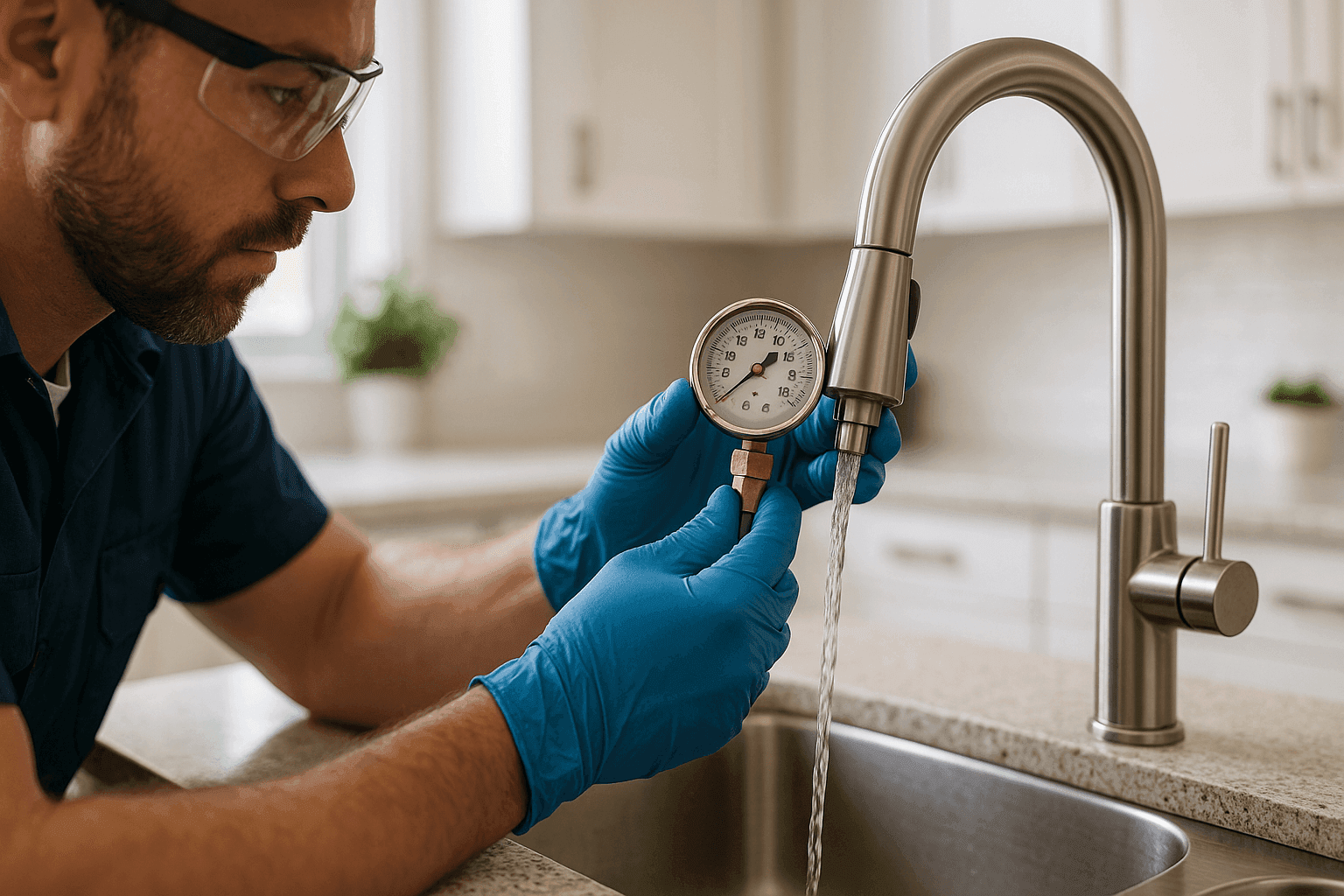
4. Use a Pressure Gauge
- Pick up a water pressure gauge at a hardware store.
- Attach it to an outdoor spigot, and turn the water on full.
- Normal range: 40–60 psi (pounds per square inch). Anything below 40 psi is considered low.
5. Ask the Neighbors
- If they’re also experiencing low pressure, odds are it’s a city supply issue.
When to Call a Pro
Sometimes, DIY just doesn’t cut it. Here’s when it’s time to bring in Dennis Foley Plumbing:
- Persistent Low Pressure: You’ve tried the steps above, but pressure stays low everywhere.
- Whole-Home Issues: The problem isn’t isolated to one fixture or floor.
- Old or Rusty Pipes: Houses with galvanized steel or ancient copper are prone to corrosion.
- Sudden Drop in Pressure: This can signal a burst pipe or a major leak—don’t wait.
- Well System Malfunctions: If you’re on a well and the pump runs constantly or the pressure tank isn’t holding, specialized repair is needed.
What Dennis Foley Plumbing Does On Arrival 🧰
When you call us for emergency plumbing or Leak Repair near you, here’s our diagnostic process:
- Interview: We’ll ask you a few quick questions to pinpoint when the problem started and what you’ve observed.
- Visual Inspection: Our team checks visible pipes, fixtures, and appliances for leaks or corrosion.
- Pressure Tests: We use calibrated gauges to measure pressure at various points—inside and outside.
- Valve Checks: Sometimes, a partially closed main shutoff or faulty PRV is to blame.
- Pipe Assessment: If needed, we use video cameras to inspect inside pipes for blockages or damage.
- System Distinction: For homes with wells, we assess the pump, tank, and switches. For city water, we may liaise with your local utility if it’s a supply-side issue.
We follow local plumbing codes and guidelines, referencing resources like the International Plumbing Code (IPC) and state regulations to ensure your repairs are safe and up to standard.
Prevention & Maintenance
Don’t wait for a trickle to turn into a torrent. Keep your plumbing healthy with these habits:
- Schedule annual check-ups for pipes, fixtures, and appliances.
- Install water softeners if you have hard water to prevent mineral buildup.
- Replace aging pipes, especially if your house is more than 40 years old.
- Clean faucet aerators every few months—especially in kitchens and bathrooms.
- Monitor water pressure with a gauge from time to time.
Costs & Time Factors
Every home is different, and so are the fixes. Here’s what to expect:
- Aerator cleaning or replacement: Quick—often under 30 minutes.
- Minor Leak Repair near you: Typically same day for accessible pipes.
- PRV replacement: Can take 1–2 hours.
- Whole-home repiping: Can run several days, depending on house size and pipe material.
- Well pump or pressure tank repair: Varies—diagnosis within a few hours, repair times depend on part availability.
Factors like house age, pipe material, and access points all affect timing.
When It’s an Emergency 🚨
Act fast if you notice:
- Water pressure drops suddenly and dramatically.
- You see visible water damage, flooding, or hear rushing water inside walls.
- Toilets won’t refill or multiple fixtures lose pressure at once.
- You smell gas near water heaters or boilers—this is a safety issue. Leave the home and call for help.
Dennis Foley Plumbing is available for emergency plumbing 24/7. Don’t wait—quick action can prevent costly repairs and keep your home safe.
Frequently Asked Questions
Why is my hot water pressure lower than my cold water pressure?
Hot water pipes often build up more sediment, especially in older water heaters. Cleaning or flushing the heater may help.
Can a clogged water filter cause low pressure?
Absolutely. If you have a whole-house or under-sink filter, check for clogs and replace cartridges as needed.
Is low pressure bad for my appliances?
Yes. Low pressure can cause dishwashers, washing machines, and boilers to run inefficiently—or even break down over time.
Do I need a permit to replace pipes or PRVs?
Many cities require permits for major plumbing work. Dennis Foley Plumbing ensures all work meets local codes and regulations.
Local and Seasonal Considerations
In our area, freezing temperatures can cause pipes to contract or burst—dropping water pressure overnight. If you’re on a well system, heavy rain or drought can affect groundwater and pressure levels. For city water, scheduled maintenance or sudden main breaks are common causes. It’s always worth checking alerts from your local utility.
Ready for Stronger Water Flow?
No one should settle for a dribble when they need a deluge. If you’ve tried these steps and still have low water pressure—or just want peace of mind—Dennis Foley Plumbing is here to help.
Call Dennis Foley Plumbing now — or reach us anytime at 888-997-4573 .