Pipe Repair vs. Replacement: How to Decide What’s Best
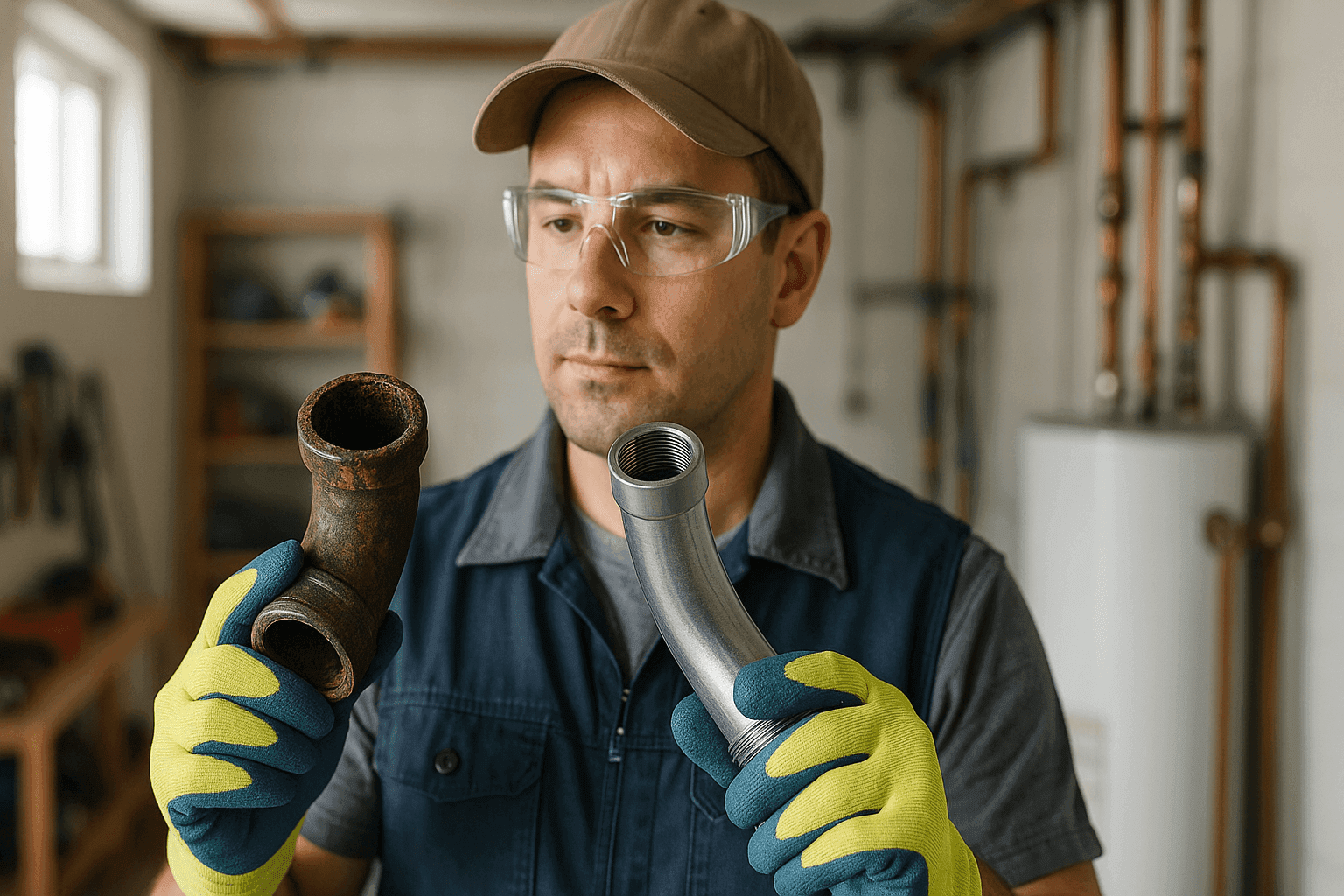
Plumbing problems never arrive with a polite knock. It’s usually a sudden drip under the sink, a dark stain crawling across the ceiling, or a puddle that has no business being there. When this happens, you need answers—fast. At Dennis Foley Plumbing, we’ve seen every leak and burst you can imagine. We know the stress, the worry about damage, and the scramble for emergency plumbing help.
But here’s the truth: Not every damaged pipe means you need to gut your walls. Sometimes, a well-done repair is all you need. Other times, replacement is the only path to safety and peace of mind. Here’s how to tell the difference.
Pipe Damage: What to Look For 🕵️
Pipes are the silent workhorses of your home. Out of sight, out of mind—until something goes wrong. Here’s what to watch for:
- Leaks: The obvious culprit. Look for damp spots, swelling walls, or water near fixtures. Even a slow drip can cause hidden havoc.
- Corrosion: If your pipes look green, white, or rust-colored, corrosion is eating away at the metal. This is especially common in older copper or galvanized steel pipes.
- Bursts: A pipe burst is hard to miss. Think sudden flooding, rushing water, or a dramatic drop in water pressure.
- Root Intrusion: For homes with older sewer lines, tree roots can snake inside, cracking pipes and causing blockages. If drains gurgle or back up, this could be why.
No two leaks are the same, and what’s minor in one home might be a major risk in another. That’s why a careful inspection matters.
Repair Options: Patching Up the Problem 🔧
Sometimes, you catch the issue early. Maybe it’s a pinhole leak, a small crack, or a spot of corrosion. In these cases, repair is often the smart move. Here’s what usually works:
- Patching: For small leaks, plumbers use special clamps or wraps to seal the damage. It’s quick and affordable, but mainly for minor issues.
- Epoxy: This strong resin fills cracks inside pipes. It’s a bit like dental filling for your plumbing—handy in tight spaces.
- Spot Replacement: If one section is bad but the rest is sound, we cut out the trouble and fit in a new piece. This targets the problem without overhauling your whole system.
Repairs work best for newer pipes, isolated damage, or when you need a fast emergency plumbing solution. But repairs aren’t always forever—sometimes, the damage runs deeper.
When Replacement Makes Sense
Some pipes are beyond patching. Here’s when you should seriously consider full replacement:
- Age: Pipes don’t last forever. Galvanized steel can fail after 40 years, copper after 50, and even modern plastics have a shelf life. If your home’s pipes are older than your favorite classic car, think replacement.
- Frequent Repairs: If you’re calling for leak repair near you every year, the problem isn’t bad luck. It’s failing pipes. Repeated fixes add up—at some point, it’s smarter to start fresh.
- Material Risks: Lead pipes are a health hazard and should always be replaced. Polybutylene, used in some homes from the ‘70s to ‘90s, is also notorious for splitting.
- Major Corrosion or Root Damage: If corrosion is widespread, or roots have cracked sewer lines all along a stretch, repairs become a band-aid on a broken leg.
Think of your plumbing like a set of dominoes. Fixing one piece is fine—unless the rest are ready to topple.
Cost Comparison: Repair vs. Replacement
Money matters. Here’s what to consider when weighing your options:
- Short-Term Costs: Repairs are usually cheaper upfront. A patch or new section can save you hundreds compared to ripping out walls or floors.
- Long-Term Costs: Multiple repairs add up. Plus, if a failing pipe bursts after a quick fix, water damage can cost much more than a planned replacement.
- Warranties: New pipes may come with longer warranties, while repairs offer only a short-term patch.
- Insurance: Some home insurance policies cover sudden bursts but won’t pay for damage from old, corroded pipes. It’s worth checking the details.
Every home is different. We believe in honest, licensed assessments—so you can make the call that’s right for your family and your wallet.
Pipe Safety Checklist ✅
Before you decide on repair or replacement, take a minute for safety:
- Turn off the main water supply if you spot a leak or burst.
- Check for electrical hazards—water and wiring don’t mix.
- Look for mold or mildew—persistent leaks can cause unhealthy growth.
- Know your pipe materials—lead or old plastic? Replacement is safest.
- Document what you see—photos help with insurance and plumber visits.
If you’re ever unsure, err on the side of caution. Water damage moves fast.
DIY vs. Call a Pro
It’s tempting to grab a wrench and try a fix yourself. Sometimes, that’s fine—tightening a loose connection or replacing a washer is safe for most homeowners.
But for anything more? Plumbing is a puzzle, and a wrong move can turn a drip into a flood. Emergency plumbing calls often start with “I tried to fix it myself, and now...” Don’t risk it with:
- Hidden leaks inside walls or ceilings
- Major pipe bursts
- Gas line repairs or installations
- Sewer line issues
A licensed plumber brings the right tools, materials, and—most importantly—the experience to keep your home safe.
What Pros Do On Arrival
When you call Dennis Foley Plumbing, here’s what you can expect:
- Assessment: We listen first. What happened? When did it start? Is this a first-time issue or a repeat offender?
- Inspection: Using leak detection tools and sometimes small cameras, we check inside pipes and behind walls. No guesswork.
- Honest Recommendations: We’ll explain the pros and cons of repair versus replacement, based on what we see—not just what’s fastest.
- Safety Checks: We always look for gas leaks, backflow risks, and code violations while we’re there.
- Upfront Options: You’ll get clear, written options so you can decide what works best for your budget and timeline.
We’re local, licensed, and always put safety first. No pressure. Just honest plumbing advice.
Prevention & Maintenance: Stop Problems Before They Start 🛠️
The best plumbing fix? Avoiding the problem in the first place. Here are simple steps to keep your pipes healthy:
- Annual Inspections: Have a pro check for leaks, corrosion, and water pressure changes.
- Water Filtration: Hard water can eat away at pipes. Installing a water filtration system protects your plumbing and appliances.
- Don’t Use Pipes as Hangers: It sounds silly, but hanging laundry or heavy objects on exposed pipes leads to stress fractures.
- Know Your Shutoffs: Every family member should know where the main water shutoff is, just in case.
- Prevent Freezing: Insulate pipes in unheated basements or crawl spaces—especially in winter.
The Plumbing-Heating-Cooling Contractors Association (PHCC) recommends regular maintenance for all homes, especially those with older plumbing.
Costs & Time Factors: What to Expect
Nobody likes surprises—especially with home repairs. Here’s what can affect your timeline and bill:
- Repair Jobs: Small leaks or spot fixes can take a few hours. You’re usually back to normal the same day.
- Full Replacements: Repiping a home can take several days, especially if walls or floors need opening.
- Material Choices: Copper and PEX (modern plastic) have different price points. Your plumber will explain the pros and cons.
- Permits & Codes: Some jobs require city permits—this protects you and ensures everything’s up to local safety codes.
- Cleanup: Quality pros handle not just the repair, but the mess, too.
It pays to ask for a written estimate and timeline before work begins.
When It’s an Emergency 🚨
Some plumbing situations can’t wait:
- Burst pipes—water is flowing fast, and you can’t stop it
- Sewage backups—toilets or drains returning foul water
- Gas leaks—you smell rotten eggs or hear hissing near pipes
In these moments, speed matters. Shut off your main water or gas supply and call for emergency plumbing right away. The longer you wait, the greater the risk of damage and cost.
FAQ: Pipe Repair vs. Replacement
Q: How long do home pipes usually last?
A: It depends. Copper pipes can last 50+ years, while galvanized steel may fail after 40. PVC and PEX often last 40-50 years, but local water quality and usage can shorten that.
Q: Can I repair a pipe myself?
A: Small fixes—like replacing washers or tightening joints—are safe for most homeowners. But anything involving cutting, soldering, or hidden leaks is best left to a pro.
Q: What if my pipes are lead or polybutylene?
A: These should be replaced. Lead is a serious health risk, and polybutylene is prone to sudden failure.
Q: Will insurance cover a burst pipe?
A: Many policies cover sudden bursts, but not slow leaks or damage from old pipes. Always check with your insurance agent.
Local and Seasonal Considerations
In our region, pipes face unique challenges. Cold snaps can freeze pipes in basements and crawl spaces. Tree roots love our older clay and cast-iron sewer lines, sneaking in through tiny cracks. Seasonal rains can overload sump pumps and expose hidden leaks.
If your home is older, or if you notice water pressure changes after a hard freeze, don’t wait for a big problem. Preventative maintenance is your best friend.
Make the Right Call for Your Home
Every pipe tells a story—sometimes it’s a quick patch, sometimes it’s time for a fresh start. The right choice saves you money, protects your home, and keeps your family safe.
If you’re unsure whether repair or replacement is best, let’s talk. At Dennis Foley Plumbing, we’ll give you clear, honest guidance—no scare tactics, no upselling.
Call Dennis Foley Plumbing now — or reach us anytime at 888-997-4573 .