How to Prepare Your Plumbing for Seasonal Storms and Floods
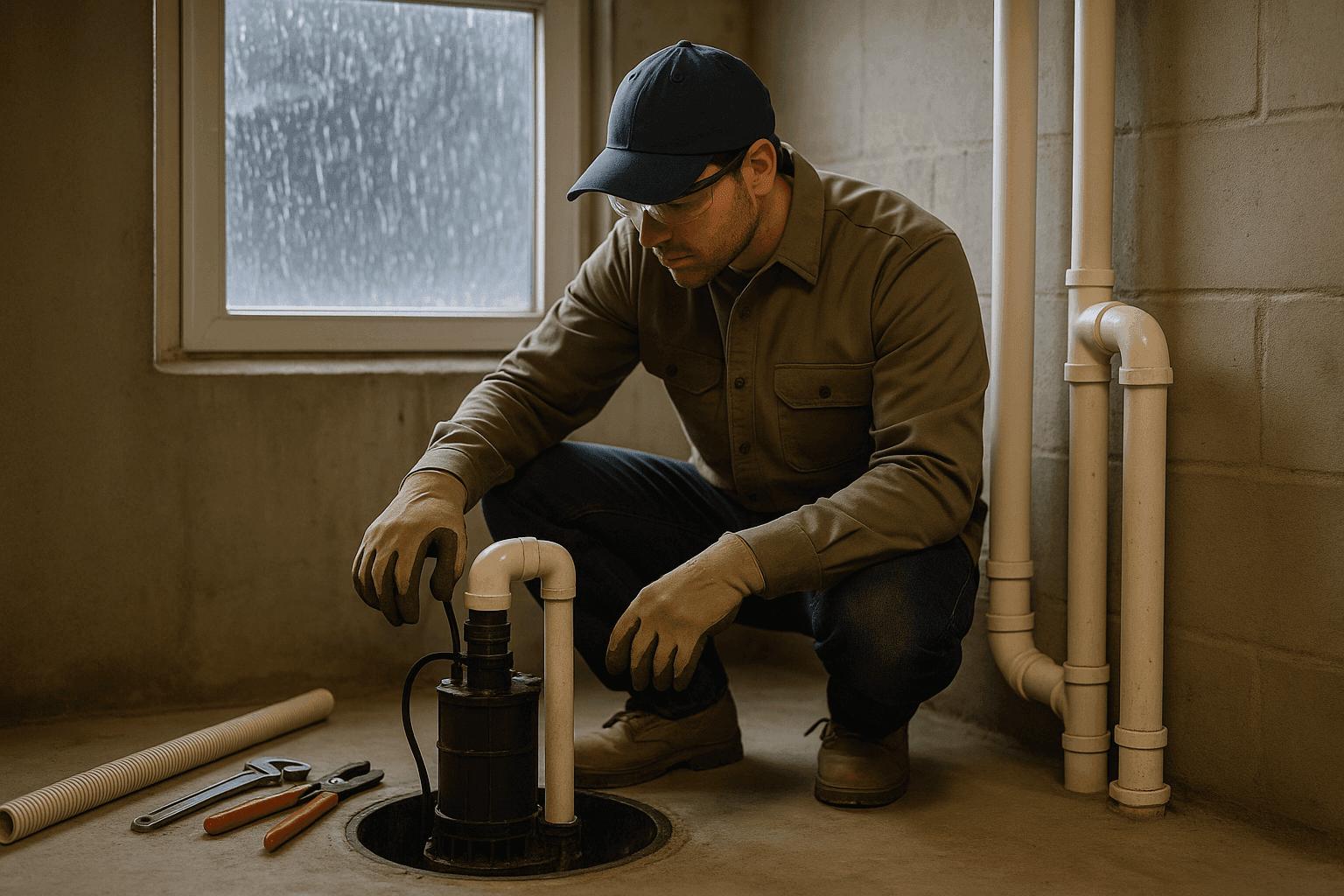
When storm clouds gather, most people think about umbrellas and rain boots. But for homeowners and small business owners, the real threat often lurks below—right in your plumbing. Flooded basements, burst pipes, and sewer backups don’t just ruin your day. They can cost thousands and put your health at risk.
At Dennis Foley Plumbing, we know how quickly a sunny afternoon can turn into a plumbing emergency. Our licensed technicians are on call 24/7, ready to help you weather any storm. But the best defense? Preparation. Here’s how you can safeguard your plumbing before the next big downpour.
Understanding Storm-Related Plumbing Risks 🌧️
Heavy rains and flooding put immense pressure on plumbing systems. Pipes can burst under the strain, sump pumps might fail, and overloaded sewer lines can back up into your home or business. It’s like expecting a garden hose to handle the flow of a fire hydrant—the system just isn’t built for it.
Common storm-related plumbing issues:
- Sump pump failure: When the pump stops working, water has nowhere to go but in.
- Sewer backups: Stormwater can overwhelm municipal systems, sending dirty water up through drains and toilets.
- Burst or leaking pipes: Sudden temperature swings and increased water pressure create weak spots.
- Backflow problems: Without a working backflow prevention device, contaminated water can flow backward into clean lines.
The result? Water damage, mold, ruined belongings, and sometimes even unsafe drinking water. According to the Federal Emergency Management Agency (FEMA), just one inch of floodwater can cause over $25,000 in damage to an average home.
Essential Seasonal Plumbing Maintenance Tasks
You wouldn’t drive a car through a thunderstorm with bald tires. The same logic applies to your plumbing—regular maintenance is your first line of defense.
Inspect and Maintain Your Sump Pump
- Test the pump: Pour a bucket of water into the pit. The pump should turn on and drain the water quickly.
- Check the discharge line: Make sure it’s clear of debris and directs water away from your foundation.
- Backup power: Consider a battery backup or water-powered pump for power outages.
Insulate and Secure Pipes
- Wrap exposed pipes: Use foam insulation, especially in basements, crawl spaces, and attics.
- Seal cracks: Check for drafts near pipes and seal gaps to prevent freezing and bursting.
Check Sewer Lines and Drains
- Schedule a camera inspection: Look for tree root intrusion, clogs, or damaged pipes.
- Clean drains: Remove buildup in sinks, showers, and floor drains to prevent slowdowns.
Ensure Backflow Prevention Devices Are Working
- Annual testing: Have a certified technician test your backflow preventer, as required by plumbing codes.
- Inspect for leaks: Any sign of leaking or corrosion means it’s time for repair or replacement.
How to Identify Vulnerable Plumbing Components Before Storm Season
Some plumbing problems hide in plain sight. Others lurk where you least expect them. Here’s what to look for before the next big storm:
- Rusty or corroded pipes: Discoloration, flaking, or moisture on pipes can signal a weak spot.
- Slow drains: Gurgling or standing water is a red flag for clogs or partial blockages.
- Unusual odors: Musty, rotten, or sewage smells often mean a hidden leak or backup.
- Water stains: Look under sinks, around toilets, and in your basement for damp spots or discoloration.
- Sump pump noises: Grinding, rattling, or failure to run smoothly means maintenance is needed.
If you spot any of these warning signs, call a licensed plumber before the storm hits. Early detection is the difference between a quick fix and a disaster.
Emergency Plumbing Preparedness
Storms don’t wait for business hours, and neither should your emergency plan. A little preparation goes a long way.
Know How to Shut Off Your Water
- Find the main shutoff valve: Usually located where the water line enters your building.
- Label it clearly: So anyone can find it in a hurry.
- Practice turning it off: Sometimes valves become stiff or stuck from lack of use.
Build an Emergency Plumbing Kit
- Adjustable wrench
- Heavy-duty flashlight
- Towels or rags
- Plumber’s tape
- Bucket
- Contact information for a 24/7 emergency plumbing service
When to Seek Immediate Help
- Water is rising quickly indoors
- Sewage is backing up into sinks, tubs, or toilets
- You smell gas or suspect a gas line leak (leave the building immediately and call emergency services)
Dennis Foley Plumbing’s licensed technicians are on call day and night, ready to respond. When every second counts, you need a professional you can reach anytime.
Practical Prevention: Tips for Homeowners and Small Business Owners
- Schedule annual plumbing inspections: Catch small issues before they become big ones.
- Install water alarms: Sensors near sump pumps, water heaters, and vulnerable pipes alert you to leaks early.
- Keep gutters and downspouts clear: Direct water away from your foundation.
- Elevate appliances: Raise water heaters, boilers, and electrical components above expected flood levels.
- Maintain landscaping: Tree roots are a leading cause of sewer line damage. Plant trees away from underground pipes.
For more information on plumbing safety and flood preparation, consult resources like the International Association of Plumbing and Mechanical Officials (IAPMO) and the American Red Cross.
Emergency Plumbing: When Every Minute Matters 🚨
Sometimes, no amount of preparation can prevent a plumbing emergency. Here’s how to know when to pick up the phone—fast:
- Major leaks or bursts: Water pouring from ceilings, walls, or the ground.
- Loss of water pressure: Could indicate a broken main or major leak.
- Flooded basement: Especially if the water is rising or electrical outlets are submerged.
- Sewage odors or backups: Immediate health risk—don’t wait.
Dennis Foley Plumbing is available 24/7 for emergency plumbing needs. Our technicians arrive with the right tools and experience to handle the unexpected.
Frequently Asked Questions
Q: How often should I test my sump pump?
A: At least once every three months and before major storms.
Q: What is a backflow preventer, and do I need one?
A: It’s a device that keeps contaminated water from flowing back into your clean supply. Most plumbing codes require them in flood-prone areas.
Q: Can I use chemical drain cleaners before a storm?
A: It’s not recommended. These can damage pipes and harm the environment. Mechanical cleaning is safer.
Q: How do I know if my sewer line is at risk during a storm?
A: Frequent clogs, slow drains, or gurgling toilets are early warning signs. Schedule a professional inspection if you notice these.
Special Considerations for Businesses and Multi-Unit Properties
- Plan for multiple shutoff valves: Know the location of each for quick action.
- Educate staff or tenants: Make sure everyone knows emergency procedures.
- Backup generators: Keep sump pumps and critical plumbing systems running during power outages.
- Regular backflow testing: Many codes require annual certification for commercial properties.
Don’t Wait Until It’s Too Late
Storms are unpredictable, but your plumbing doesn’t have to be. A little preparation now can save you stress, money, and headaches down the road. Whether you need preventative maintenance or emergency plumbing service, Dennis Foley Plumbing is here—day or night.
Call Dennis Foley Plumbing now — or reach us anytime at 888-997-4573 .