How to Prepare Your Plumbing for Winter: Essential Tips to Prevent Frozen Pipes and Emergencies
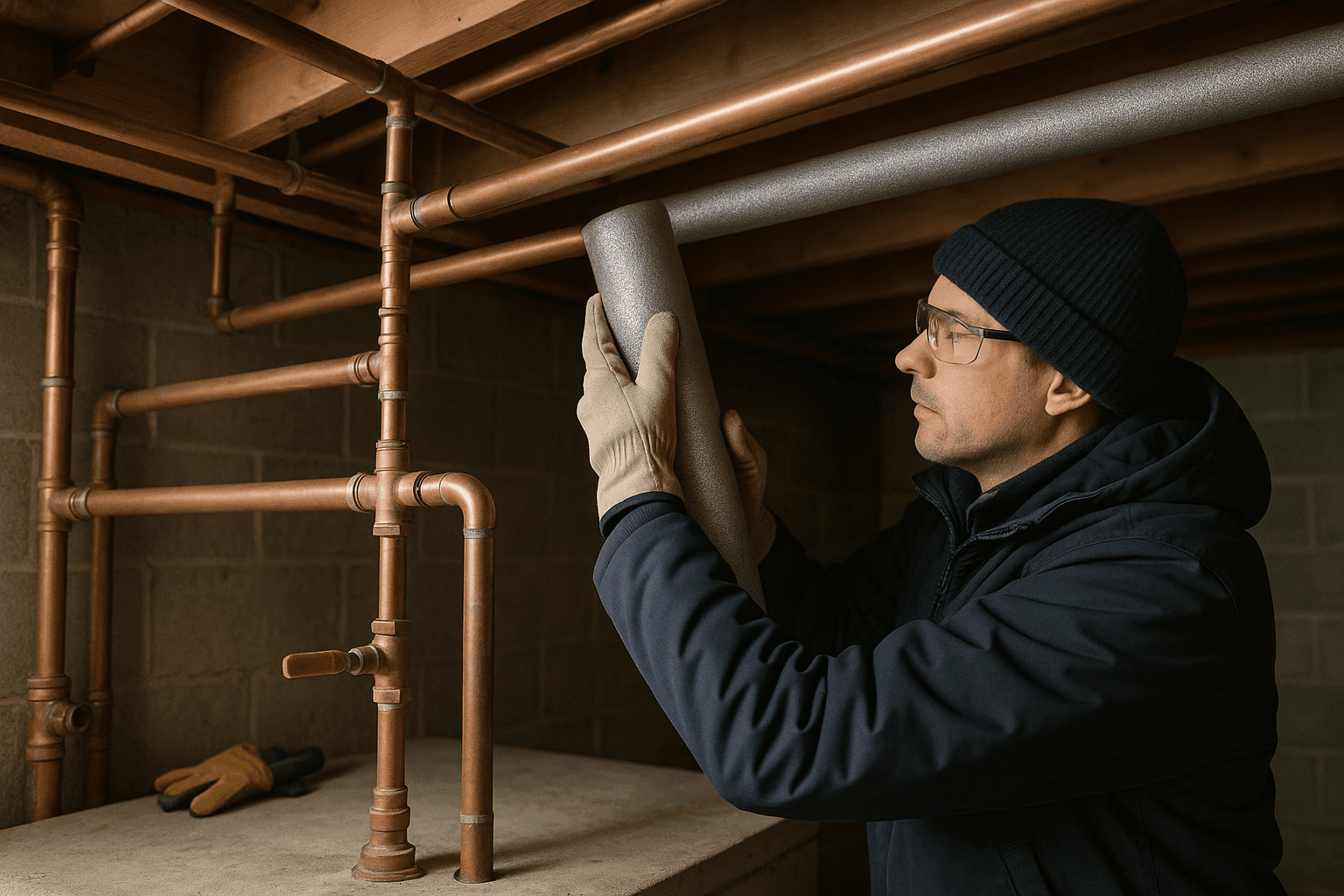
Winter’s chill has a way of sneaking up on us. One day you’re enjoying a crisp morning, the next you’re dealing with a burst pipe and a flooded basement. For homeowners and small business owners alike, frozen pipes and emergency plumbing disasters can turn a season of comfort into a season of stress.
At Dennis Foley Plumbing, we’ve seen firsthand how quickly winter can wreak havoc on plumbing systems. The good news? Most winter plumbing emergencies are preventable with the right preparation. Let’s walk through the essential steps you can take now to protect your pipes, your property, and your peace of mind.
The Risks of Winter Plumbing Problems
When temperatures drop, water inside your pipes can freeze—expanding like an overfilled balloon. This pressure can split pipes wide open, sending water gushing into walls, floors, and ceilings. The result? Costly repairs, water damage, and major headaches.
Frozen pipes are the leading cause of winter plumbing emergencies, but they’re not the only threat. Ice can block drains, sump pumps can fail, and outdoor fixtures can crack. Even a small leak can become a big problem if left unchecked in the cold.
Quick Winter Plumbing Safety Checklist 🧤
Before winter sets in, run through this checklist to spot vulnerabilities and shore up your plumbing system:
- Inspect exposed pipes in basements, attics, crawl spaces, and garages.
- Check for visible cracks, leaks, or corrosion on pipes and fixtures.
- Test sump pumps to ensure they’re working and not clogged.
- Disconnect and drain outdoor hoses and irrigation lines.
- Cover outdoor faucets with insulated covers.
- Locate your main water shutoff valve—make sure it turns easily.
- Ensure your water heater is set to at least 120°F (per U.S. Department of Energy recommendations).
- Seal gaps in walls or foundations where cold air can reach pipes.
- Schedule a professional inspection if you’re unsure about any step.
How to Identify Vulnerable Plumbing Areas
Not all pipes are created equal. Some are more at risk for freezing than others. Focus your attention on:
- Pipes running along exterior walls.
- Uninsulated pipes in unheated areas (basements, attics, garages, crawl spaces).
- Outdoor spigots, hose bibs, and irrigation lines.
- Plumbing under sinks, especially on outside walls.
A good rule of thumb: if you wouldn’t want to stand there on a cold night, your pipes probably don’t either.
Effective Pipe Insulation Methods
Think of insulation as a warm winter coat for your plumbing. Here’s how to keep your pipes cozy:
- Foam Pipe Sleeves: Slide these over exposed pipes for a quick, effective barrier.
- Fiberglass Wrap: For oddly shaped pipes or tight spaces, wrap with fiberglass insulation and secure with tape.
- Heating Cables: In areas with severe cold, electric heating cables can be installed along pipes. Always follow manufacturer instructions and local codes.
- Seal Air Leaks: Use caulk or expanding foam to seal gaps where cold air seeps in.
Tip: Don’t forget pipes under kitchen and bathroom sinks. Simply opening cabinet doors can let warmer air circulate around the plumbing.
Maintaining Water Flow and Temperature
Water sitting still in pipes is more likely to freeze. Keep things moving and warm:
- Let a trickle of water run from faucets served by exposed pipes during extreme cold spells. Even a slow drip can prevent freezing.
- Keep interior doors open to allow heat to circulate throughout your home or business.
- Don’t lower your thermostat below 55°F, even if you’re away.
- For vacant properties, consider shutting off the main water supply and draining the system.
If you have a water heater in a cold area, insulate the tank and hot water lines. The U.S. Department of Energy suggests this can also save energy.
Winterizing Outdoor Fixtures and Irrigation
Outdoor plumbing is especially vulnerable. Here’s how to protect it:
- Disconnect all garden hoses, drain them, and store indoors.
- Shut off and drain outdoor faucets using the shutoff valve inside your home.
- Install insulated covers on all exterior spigots.
- Blow out irrigation lines with compressed air, or have a professional handle this if you’re unsure.
- Drain water features, fountains, and pools according to manufacturer guidelines.
A little effort now can save you from a lot of trouble come spring.
Sump Pump Checks and Flood Prevention 🚨
A working sump pump is your best defense against basement flooding in winter. Don’t wait for a thaw to find out yours has failed.
- Test your sump pump by pouring a bucket of water into the pit—watch for prompt activation and discharge.
- Clean debris from the pit and discharge line.
- Ensure the discharge line is free of ice and snow.
- Consider a battery backup system for power outages.
Sump pumps are like silent sentinels—make sure yours is ready to stand guard.
When to Call a Professional Plumber for Winter Prep
Some jobs are DIY-friendly; others call for a steady, experienced hand. Call Dennis Foley Plumbing if:
- You find leaks, corrosion, or damaged pipes during your inspection.
- You’re unsure how to insulate or access certain pipes.
- Your property has a history of frozen pipes or water damage.
- You need help winterizing complex systems like irrigation, boilers, or water heaters.
- You want a thorough preventative maintenance check before the cold hits.
Our team is available 24/7 for emergency plumbing needs, but we’d much rather help you prevent problems before they start.
DIY vs. Professional Help: What’s Safe to Tackle Yourself?
You can handle many winter prep tasks yourself—like adding foam insulation, draining hoses, and checking for drafts. However, some situations are best left to the pros:
- Working with gas lines or water heaters.
- Installing electric pipe heating cables.
- Repairing leaks or replacing damaged pipes.
- Winterizing large irrigation or backflow systems.
Remember: a small mistake can lead to big trouble. When in doubt, err on the side of caution.
What Professionals Do During a Winter Plumbing Inspection
When you call Dennis Foley Plumbing for winter prep, here’s what you can expect:
- Comprehensive inspection of all exposed and hidden pipes.
- Testing and maintenance of sump pumps and backflow devices.
- Insulation recommendations tailored to your property.
- Inspection of water heaters, boilers, and pressure systems.
- Draining and winterizing of outdoor fixtures and irrigation.
- Leak detection using advanced tools.
- Safety checks for gas lines and appliances.
Our plumbers follow best practices recommended by organizations like the International Association of Plumbing and Mechanical Officials (IAPMO) and the American Society of Plumbing Engineers (ASPE).
Prevention & Maintenance: The Key to Avoiding Emergencies
Preventative care is like giving your plumbing a flu shot. It won’t stop winter from coming, but it will help your pipes stand strong against the cold.
- Schedule annual plumbing inspections—fall is ideal.
- Replace aging or damaged pipes before they become a problem.
- Keep gutters and downspouts clear to prevent ice dams and backups.
- Install water leak detectors for early warning.
- Know where your main shutoff valve is—and make sure everyone in your household does too.
Small steps now can save you from major headaches later.
Costs & Time Factors: What to Expect
Winterizing your plumbing doesn’t have to break the bank. Many preventative steps are low-cost or free—like insulating pipes or draining hoses. Professional inspections and repairs vary based on the size and complexity of your property.
- DIY pipe insulation: typically a few hours for a standard home.
- Professional inspection: usually completed in 1–2 hours.
- Repairs or upgrades: time and cost depend on the issue (e.g., replacing a burst pipe vs. adding insulation).
Remember, the cost of preventative care is almost always less than the price of emergency plumbing repairs and water damage restoration.
When It’s an Emergency: Signs You Need Help Now 🆘
Don’t wait if you notice:
- Sudden loss of water pressure or no water flow.
- Water stains, damp spots, or pooling water.
- Unusual noises from pipes (banging, clanking, or whistling).
- Frozen pipes that won’t thaw with gentle heat.
- Sump pump failure during a thaw or heavy rain.
In these situations, call Dennis Foley Plumbing immediately. Quick action can mean the difference between a minor fix and a major disaster.
Winter Plumbing FAQ
How can I tell if my pipes are frozen?
If you turn on a faucet and only a trickle comes out—or nothing at all—your pipes may be frozen. Frost on the outside of pipes is another clue.
What should I do if a pipe bursts?
Shut off your main water valve immediately. Open faucets to relieve pressure, then call for emergency plumbing help right away.
Is it safe to use a space heater to thaw pipes?
Use caution. Never use open flames or high-heat devices. A hair dryer or warm towels can help, but if you’re unsure, call a professional.
Can I prevent frozen pipes if I’m away for the winter?
Yes. Shut off the main water supply, drain the pipes, and set the thermostat to at least 55°F. Ask a neighbor or service to check your property regularly.
Special Considerations for Winter Plumbing
- Older homes and buildings are more likely to have uninsulated pipes—inspect thoroughly.
- Businesses with complex plumbing systems (like restaurants or medical offices) should schedule professional winterization.
- Properties with previous water damage or mold history require extra vigilance.
- If you have a boiler or radiant heating, ensure regular maintenance before winter.
Winter can be tough on plumbing, but with the right steps, you can keep your pipes safe and your property dry.
Call Dennis Foley Plumbing now — or reach us anytime at 888-997-4573 .