How to Prevent Clogged Toilets: Tips for Every Family
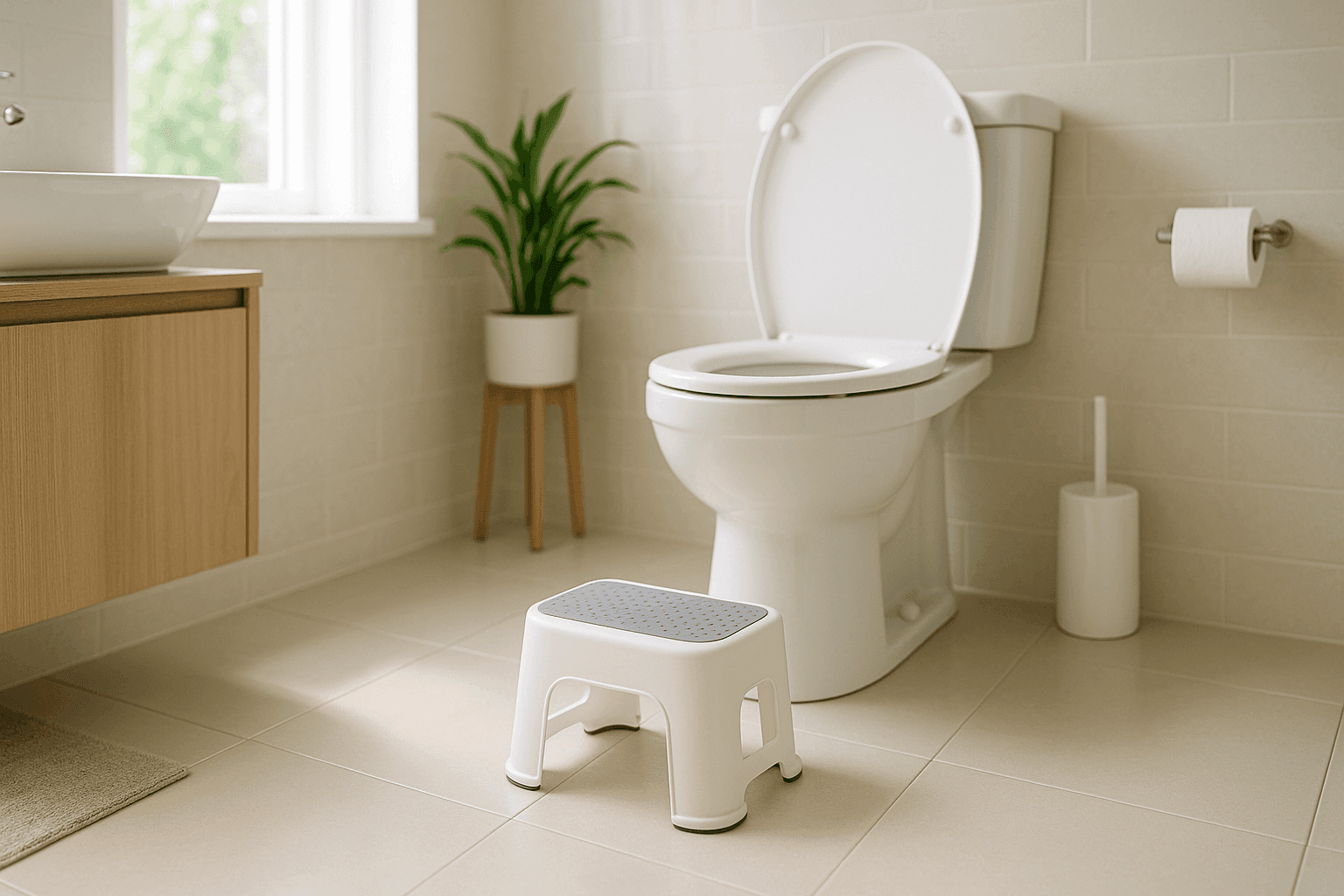
You never realize how much you rely on a working toilet—until it’s suddenly out of commission. A clog can turn a regular day into a mad scramble, especially with a family at home. At Dennis Foley Plumbing, we know the stress and mess that come from blocked toilets. We’ve seen it all, from tiny toys to mystery blockages. The good news? Most clogs are preventable with a few simple habits.
If you’ve ever searched “emergency plumbing near me” in a panic, this guide is for you. We’ll walk you through what causes blockages, how to keep your bathroom flowing, and when it’s time to bring in a pro. Let’s keep your family comfortable—and your bathroom drama-free.
What Causes Toilet Clogs? 🚽
A toilet isn’t a magic portal. Imagine it more like a busy highway—too much traffic or the wrong “vehicles,” and everything jams up. Here’s what usually leads to a backup:
- Wipes (even “flushable” ones): These don’t break down like toilet paper. They tangle and snag in pipes, especially older ones.
- Too much toilet paper: We’ve all been there. Large wads can block narrow bends, especially in older low-flow toilets.
- Foreign objects: Kids love to experiment. Toys, paper towels, cotton swabs, even toothbrushes—all have made the journey.
- Low-flow or older toilets: Early water-saving models sometimes lack the power to clear waste fully, leaving debris behind.
- Hair and hygiene products: Tampons, pads, and dental floss are pipe nightmares. They twist, catch, and refuse to budge.
The result? Water rises, panic sets in, and you’re left wondering what went wrong.
Clog Prevention for Families
Stopping clogs is mostly about what you don’t flush. Make it a family project—because everyone, from toddlers to teens, plays a part.
- Set clear “flushing rules”: Only flush toilet paper and what’s meant to go down. Keep a trash can handy for everything else.
- Kid education: Teach children early—no toys, wipes, or weird science experiments in the toilet bowl.
- Practice safe cleaning habits: Avoid dumping mop water, cleaning wipes, or chemicals down the toilet.
- Mind the paper: Show kids (and guests) how much is too much. A couple of squares do the job.
- Lid down, trouble down: Get in the habit of closing the lid. It keeps curious hands (and falling objects) out.
A little prevention goes a long way. One chat, a few signs, or a “toilet talk” can save you hours of scrubbing and plunging.
Toilet Maintenance Tips 🧼
Just like your car needs oil changes, your toilet needs regular TLC. Here’s how to keep it running:
- Clean regularly: Mild cleaners keep buildup and bacteria at bay. Scrub the bowl, but don’t forget under the rim.
- Inspect for leaks: Check the floor for damp spots or odd smells—these can signal hidden leaks or slow drips.
- Check the flapper: The rubber flap inside the tank can wear out, causing water to run or flush weakly.
- Watch water levels: If the tank water is too high or low, it can affect the flush. Adjust the float as needed.
- Test the flush: If it’s weak or gurgly, there might be a partial clog. Don’t ignore it—address it early.
Regular care keeps small problems from becoming big emergencies.
When to Call a Pro
Sometimes, a plunger just isn’t enough. Here’s when it’s smart to call Dennis Foley Plumbing for emergency plumbing or leak repair near you:
- Recurring clogs: If your toilet blocks up more than once a month, there could be a deep pipe issue.
- Slow drains: When water lingers or bubbles, it might signal trouble further down the line.
- Backups or overflows: Water on the floor isn’t just messy—it's a health hazard.
- Unusual noises: Gurgling or hissing means air is getting where it shouldn’t.
- Leaking at the base: This often means a failed wax ring or cracked flange—both need professional hands.
Don’t wait until water is pouring over the rim. Quick action can protect your home from costly damage.
Older vs. Newer Toilets: What Families Should Know 🏠
If your home has toilets from before 1994, you might face more clogs. Early low-flow models (1.6 gallons per flush) sometimes lack the power of new designs. Upgrades today meet WaterSense standards and clear waste more efficiently.
- Older models: May need double flushing. More prone to clogs and leaks.
- Newer models: Better water savings, stronger flush, less risk of backup.
Consider upgrading if you’re tired of the plunger routine. It also helps with water bills and meets modern plumbing codes.
Quick Toilet Safety Checklist
Before you reach for the plunger or call for emergency plumbing, run through this list:
- Is water rising? Shut the supply valve behind the toilet.
- Any odd smells or dampness? Check for hidden leaks.
- Has the toilet been slow to flush for days? Time for a deeper look.
- Are any family members complaining about gurgling or bubbling sounds?
- Is there standing water around the base or walls?
Spotting these early can save you from a bigger mess.
DIY Fixes vs. Calling for Help
Some clogs are simple—others hide their true colors. Here’s when to try DIY and when to phone Dennis Foley Plumbing:
Try It Yourself:
- Plunger isn’t just for show! Use a flange plunger (the one with the bell-shaped end) for a tight seal.
- Pour hot (not boiling) water into the bowl to break up minor blockages.
- Baking soda and vinegar can sometimes clear organic buildup—just pour, wait, and flush.
Call a Pro:
- The toilet overflows after every flush.
- You can’t find the cause of the clog.
- Water backs up in the tub or sink when you flush (this means the main line may be blocked).
- You see frequent leaks or hear odd noises.
Remember: If you’re not comfortable, don’t risk it. Some blockages need tools and expertise only professionals have.
What to Expect When a Plumber Arrives
Here’s what happens when Dennis Foley Plumbing shows up at your door:
- Assessment: We’ll ask about symptoms and check the toilet and nearby fixtures.
- Specialty tools: From drain snakes to cameras, we find and clear the clog safely—protecting your pipes.
- Inspection: We’ll look for cracked seals, slow leaks, or damage to the pipes.
- Advice: We’ll share what caused the problem and how to avoid a repeat.
Licensed plumbers follow local plumbing codes and safety guidelines from organizations like the Uniform Plumbing Code (UPC) and International Association of Plumbing and Mechanical Officials (IAPMO).
Prevention & Maintenance: Family Habits for a Healthy Bathroom 🏡
- Monthly cleaning: Set a calendar reminder—cleaning prevents buildup and odors.
- Annual inspections: Have a plumber check for leaks, loose fittings, and worn parts.
- Teach everyone: A five-minute “toilet talk” with family or guests saves hours of frustration.
- Replace old hardware: If your flapper, handle, or fill valve sticks, swap it out.
- Install childproof locks: For families with young kids, these keep curious hands out of trouble.
Consistent habits keep your bathroom running smoothly all year.
Costs & Time Factors
How long and how much? Every clog is different, but here’s what to expect:
- DIY fixes: 10–30 minutes, just the cost of a plunger or cleaning supplies.
- Professional help: Most jobs take under an hour, but complex clogs or repairs can take longer.
- Parts replacement: Simple items like flappers or fill valves are affordable and quick. Full toilet replacement or pipe repairs can take more time and cost more.
Remember, waiting can lead to water damage—and that’s never cheap.
When It’s an Emergency
If you’re ankle-deep in water or the toilet is about to overflow, that’s an emergency. Shut off the water supply valve (the knob behind the toilet), clear the area, and call Dennis Foley Plumbing right away. Fast action prevents bigger repairs and keeps your family safe.
FAQ
Q: Are “flushable” wipes really safe for my toilet?
A: Despite the label, most wipes don’t break down like toilet paper and can snag in pipes—especially older plumbing.
Q: Why does my toilet keep clogging even after plunging?
A: Persistent clogs can mean a deeper blockage or an issue with the main sewer line. It’s time for professional help.
Q: Can I use chemical drain cleaners in my toilet?
A: It’s best to avoid them. Many chemicals can damage pipes, rubber seals, and even the porcelain bowl.
Q: How can I tell if my toilet is leaking?
A: Add a few drops of food coloring to the tank. If color appears in the bowl without flushing, you have a leak.
Local & Seasonal Considerations 🕑
Older homes in our area often have narrow, cast iron pipes that clog more easily. Cold weather can lead to frozen pipes and slow drainage. If you’re planning a big family gathering (holidays, summer BBQs), take a few minutes to check your toilets and drains ahead of time. Preventative steps now mean fewer surprises later.
Keep your family’s bathroom running smoothly and avoid plumbing panic. If you notice the signs of a clog, leak, or backup—or just want peace of mind—help is close by.
Call Dennis Foley Plumbing now — or reach us anytime at 888-997-4573 .