Preventing Frozen Pipes: Winter Plumbing Maintenance Checklist
Every winter, homeowners brace for the cold. You pile on the blankets, crank up the heat, and hope your pipes survive another freeze. One burst pipe can turn a peaceful night into a frantic, soggy mess. At Dennis Foley Plumbing, we know the dread of waking to water where it shouldn’t be.
If you’re reading this, you’re already ahead of most. Protecting your home from frozen pipes isn’t just about comfort—it’s about avoiding expensive repairs, wasted water, and a whole lot of stress. Our licensed team has seen it all, from snow-packed driveways in the north to rare deep freezes in southern homes. This guide is for everyone who wants to sleep soundly, no matter how cold it gets.
Why Pipes Freeze & the Damage They Cause ❄️
A frozen pipe is more than an inconvenience. It’s a ticking time bomb. When water inside your pipes freezes, it expands, building pressure like a soda can left in the freezer. Eventually, the pipe may split or burst—sending water where it doesn’t belong.
Risk Factors:
- Uninsulated pipes: Basements, crawl spaces, attics, and garages are the usual suspects.
- Outdoor spigots & hose bibs: These freeze in a snap if not drained.
- Thermostats set too low: Even a few hours below freezing can spell trouble.
- Southern homes: Not built for cold snaps, often lacking insulation.
Consequences:
A single burst pipe can release hundreds of gallons in just hours. The result? Waterlogged walls, ruined floors, mold, and expensive emergency plumbing repairs. According to the Insurance Institute for Business & Home Safety, frozen pipes are one of the costliest winter claims for homeowners.
Step-By-Step Winterizing Checklist
Download or print this checklist to help you winterize your plumbing like a pro.
1. Insulate Pipes
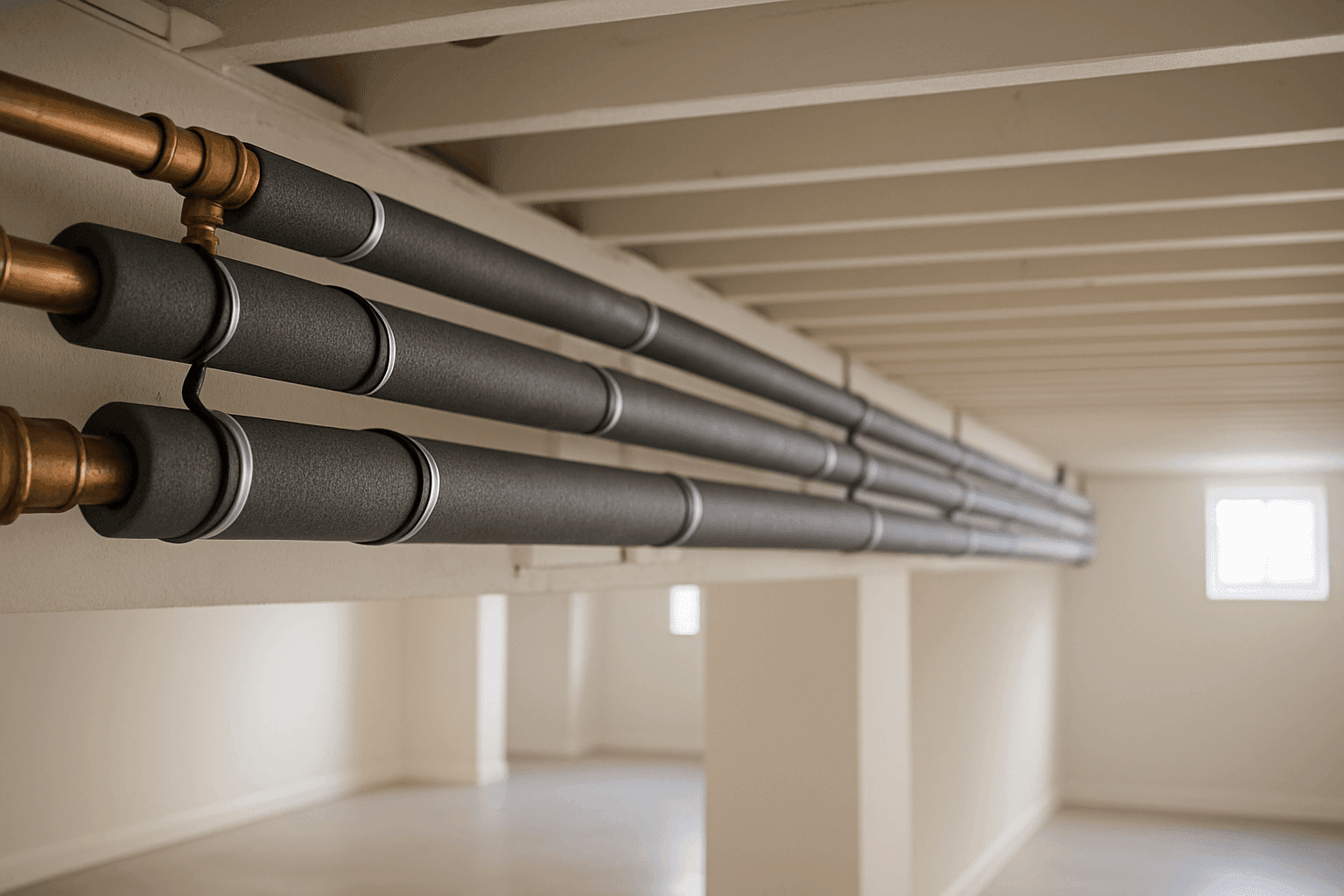
- Wrap exposed pipes in foam insulation sleeves—especially in unheated areas.
- Use heat tape or heat cables on vulnerable runs (follow manufacturer instructions).
- Pay extra attention to pipes running along exterior walls and in attics.
2. Prep Outdoor Faucets
- Disconnect hoses and drain outdoor spigots.
- Install insulated faucet covers.
- Shut off the supply valve to outdoor bibs if possible, then open the faucet to drain.
3. Set Your Thermostat
- Never set your home below 55°F—even if you’re away.
- Consider a smart thermostat for automatic adjustments.
4. Close Gaps and Cracks
- Seal holes or cracks around pipes with caulk or spray foam to block cold air.
- Insulate crawl spaces and garages if possible.
5. Protect Garages & Laundry Areas
- Keep garage doors closed, especially if water lines run through them.
- For laundry rooms on exterior walls, open cabinet doors to let warm air circulate.
6. Know Your Main Shutoff
- Make sure everyone in your home knows where the main water shutoff valve is.
- Test it once a year to ensure it turns easily.
What to Do If Pipes Freeze
Pipes frozen solid? Stay calm. Here’s what you should do:
- Turn off the main water supply. This limits flooding if a pipe bursts.
- Open nearby faucets. This relieves pressure and allows water to escape as it melts.
- Gently warm the pipe. Use a hair dryer, heating pad, or towels soaked in hot water. Never use open flames.
- Check for leaks. If a pipe cracks, call for emergency plumbing help right away.
If you can’t locate the freeze or restore flow, or if you spot any leaks, call Dennis Foley Plumbing. Quick action makes all the difference.
Trust Backed by Experience
Our team has handled frozen pipes in every setting—from historic homes with ancient plumbing to modern houses surprised by a sudden frost. We know the local codes, safety guidelines, and best practices for winterizing pipes in all climates. Whether you live in the far north or the southern states where freezes catch everyone off guard, our approach balances prevention and practical fixes.
FAQ: Frozen Pipes & Winter Plumbing
How do I know if my pipes are frozen?
Look for reduced water flow, strange noises, or frost on exposed pipes.
What’s the fastest way to thaw a pipe?
Use gentle heat—like a hair dryer. Never use a torch or open flame.
Can I prevent frozen pipes if I’m away from home?
Yes! Keep your heat on, open cabinet doors under sinks, and consider asking a neighbor to check in.
Are southern homes at risk?
Absolutely. Homes not built for cold are often hit hardest when rare freezes strike.
Local & Seasonal Considerations 🏠
In northern climates, everyone expects winter’s bite. But southern homes—often built with minimal insulation—are especially vulnerable when temperatures drop below freezing. A cold snap that barely fazes a New Englander can cause major headaches in Texas or Georgia.
If you live in a region where winter usually means rain, not snow, don’t get caught off guard. One night of unusual cold can be all it takes.
Printable Winter Plumbing Checklist
- Insulate all exposed pipes
- Drain and cover outdoor faucets
- Set heat to at least 55°F
- Seal cracks and gaps around pipes
- Keep garage doors closed
- Open cabinet doors under sinks on exterior walls
- Know your main water shutoff location
Stick this list on your fridge—or tape it to your water heater. Prevention beats panic every single time.
Call Dennis Foley Plumbing for Emergency Plumbing & Leak Repair Near You
Don’t let frozen pipes ruin your winter. Whether you need help right now or want to schedule preventative maintenance, our licensed team is always ready.
Call Dennis Foley Plumbing now — or reach us anytime at 888-997-4573 .