Repiping Your Home: When Is It Time for New Pipes?
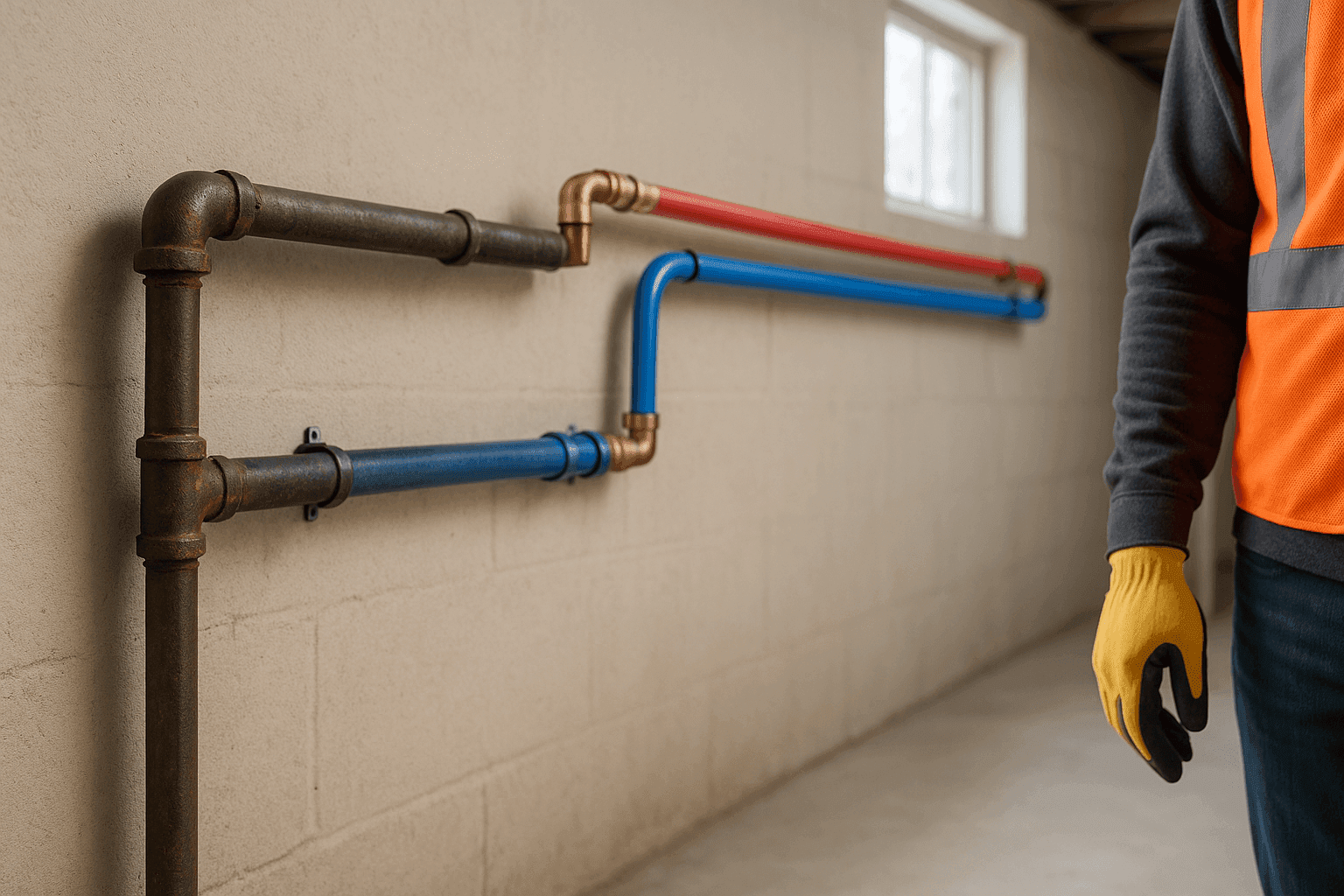
If your home’s pipes could talk, what stories would they tell? Maybe they’d whisper about small leaks you’ve patched with a wrench in one hand and a prayer in the other. Or they’d groan about water stains that seem to appear overnight. Pipes age—just like we do—and sometimes they need more than a quick fix.
At Dennis Foley Plumbing, we know the signs of tired, failing plumbing. Emergency plumbing is our bread and butter, but nothing beats the peace of mind that comes from knowing your pipes are built to last. Here’s what you need to know about repiping your home, so you can stay ahead of bigger problems down the line.
Why Homes Need Repiping 🛠️
Pipes are the silent veins of your home. They move water where you need it, and take waste safely away. But over decades, those veins can start to clog, rust, or spring leaks. Here’s why a full repipe sometimes becomes necessary:
- Aging Materials: Many older homes—especially those built before the 1970s—used galvanized steel or even lead pipes. These materials corrode and build up minerals over time, eventually choking off water flow or leaching contaminants.
- Persistent Leaks: If you find yourself calling for leak repair near you more than once a year, it’s a red flag. Patch jobs can only go so far before the whole system needs attention.
- Water Quality: Rusty or brown water, odd smells, or visible particles mean something inside your pipes is breaking down. This isn’t just unpleasant; it can be a health hazard.
- Insurance Savings: Some home insurers offer better rates (or even require) updated plumbing. New pipes can protect not just your property, but your wallet, too.
Signs It’s Time to Repipe
How do you know it’s time to swap out those old pipes? Watch for these warning signs:
- Discolored Water: If your tap runs brown, yellow, or has flecks of rust, that’s corrosion from the inside out.
- Low Water Pressure: Mineral buildup or pinhole leaks can throttle your flow, making showers and dishwashing a chore.
- Frequent Leaks: Are you calling for emergency plumbing more often? Leaks that keep coming back are a symptom of a deeper problem.
- Visible Corrosion: Check exposed pipes in basements or crawl spaces. White, green, or rusty stains mean the metal is breaking down.
- Mysterious Water Damage: Stains on ceilings or walls can be the shadow cast by a hidden leak.
Letting these signs slide is like ignoring a check engine light. Small problems tend to grow—fast.
What Repiping Involves
Repiping isn’t just a quick swap. It’s a well-choreographed process that skilled, licensed plumbers handle with care:
Materials Matter
- Galvanized Steel: Common in homes built before 1960, now mostly replaced due to rust issues.
- Copper: Reliable and long-lasting, but can corrode if water is acidic.
- PEX (Cross-linked Polyethylene): Flexible, freeze-resistant, and popular for new installations.
We carefully evaluate what’s in your walls and recommend the best upgrade for your home’s needs and local code.
Timeline and Disruption
- Typical Duration: Most residential repipes take 2–7 days, depending on home size and complexity.
- Access: Some walls and floors may need temporary opening, but pros minimize mess and restore everything after.
- Water Shutoff: Expect some water outages, but we work to keep them as short as possible.
Cost Ranges
Costs depend on your home’s size, number of bathrooms, and pipe material. According to the International Association of Certified Home Inspectors, a whole-home repipe can range from several thousand dollars and up. We provide clear, upfront estimates before any work begins.
Quick Safety Checklist
Before you decide on a repipe, do a quick safety review:
- Are any pipes made of lead or polybutylene? (Both are now considered unsafe.)
- Does your water taste metallic or look cloudy?
- Have you had more than one emergency plumbing call for leaks in the last year?
- Are your insurance rates higher because of outdated plumbing?
- Do you notice moldy smells or unexplained water stains?
If you answered yes to any of these, it’s time to talk to a licensed plumber.
DIY vs. Call a Pro
You might be handy with a wrench, but repiping is a different animal. Here’s why:
- Code Requirements: Local plumbing codes set minimum standards for pipe materials and installation. DIY mistakes can lead to expensive redos or even unsafe water.
- Hidden Problems: Older homes often hide surprises—like pipes running through tight spaces or unexpected reroutes—that only experienced plumbers can navigate safely.
- Insurance and Resale: DIY work could affect your homeowner’s insurance or make your house harder to sell.
If you ever feel in over your head, call Dennis Foley Plumbing. We’re licensed, insured, and familiar with the unique quirks of homes in your area.
What Pros Do On Arrival
When we show up for a repipe, here’s what you can expect:
- Full Inspection: We use advanced leak detection tools—sometimes infrared cameras or moisture meters—to pinpoint trouble spots.
- Plan of Attack: We map out every pipe path, choosing the best materials for your home’s needs.
- Careful Removal: Old pipes come out with minimal disruption to walls and flooring.
- New Pipe Installation: We install the new system, test everything for leaks, and flush out debris.
- Restoration: Walls, floors, and paint are patched up as needed—leaving your home clean and safe.
We follow all local building codes and industry best practices, referencing resources such as the Uniform Plumbing Code and National Standard Plumbing Code.
Prevention & Maintenance
After a repipe, keep your plumbing in top shape:
- Regular Inspections: Schedule annual plumbing checks to catch issues early.
- Water Quality Testing: Testing for pH, hardness, and contaminants will help prevent premature pipe wear.
- Insulate Exposed Pipes: Especially in basements and crawl spaces, this reduces freeze risk.
- Don’t Ignore Drips: Even a tiny leak can snowball into bigger issues.
Costs & Time Factors
Every home is unique, but here’s what can affect repipe cost and timeline:
- Pipe Material: Copper tends to cost more than PEX, but may be required by local code.
- Home Layout: Crawl spaces, multi-story homes, and slab foundations can complicate access.
- Fixture Count: More bathrooms and sinks mean more time and materials.
- Permits: Most cities require permits and inspections for repiping work.
The process is an investment, not just an expense. New pipes can add value, improve water quality, and lower your risk of future emergencies.
When It’s an Emergency 🚨
Some pipe problems can’t wait:
- Burst Pipes: Sudden, gushing leaks can flood your home in minutes.
- Sewer Line Failures: Backups or raw sewage are immediate hazards to health and property.
- Gas Line Leaks: If you smell gas, leave the house and call emergency services first.
Dennis Foley Plumbing is ready 24/7 for emergency plumbing. Fast action can make all the difference.
FAQ
Q: How long do home pipes usually last?
A: It depends on the material. Copper can last 50+ years, galvanized steel about 40, and PEX 40–50 years. Old lead or polybutylene pipes should be replaced ASAP for safety.
Q: Can I repipe just part of my home?
A: Sometimes. Isolated upgrades (like a bathroom remodel) are possible, but widespread leaks or corrosion mean a full repipe is safer and more cost-effective.
Q: Will my water be off the whole time?
A: No. We work in sections so you’ll have some water every day. Total shutoff is usually brief.
Q: How do I know what kind of pipes I have?
A: Check under sinks or in the basement/crawl space. Galvanized looks dull gray and sticks to a magnet. Copper is reddish and doesn’t. PEX is flexible and usually blue or red.
Local/Seasonal Considerations
Regional quirks play a role in pipe life:
- Cold Winters: Freeze-thaw cycles can crack older pipes. Insulation and PEX upgrades help.
- Water Quality: Hard water shortens pipe life. Water filtration systems can protect new pipes.
- Old Neighborhoods: If your neighbors are repiping, your home may be due—builders often used similar materials at the same time.
The Bottom Line
Repiping your home sounds big—and it is. But it’s also a chance to breathe new life into your biggest investment. Whether you’re dealing with leaks, low pressure, or just want peace of mind, Dennis Foley Plumbing is ready to help—day or night.
Call Dennis Foley Plumbing now — or reach us anytime at 888-997-4573 .