Sewer Line Problems: Warning Signs Every Homeowner Should Know
Is your home’s plumbing trying to tell you something? Sometimes, it’s a slow drain. Other times, it’s an odd, musty smell wafting up from the basement. When your sewer line starts acting up, it rarely shouts. Instead, it whispers—until, suddenly, you’ve got a disaster on your hands.
At Dennis Foley Plumbing, we’ve seen how fast a small sewer issue can turn into a full-blown emergency. That’s why knowing the warning signs—and what to do next—can save you money, protect your home, and keep your family safe.
Why Sewer Line Issues Matter 🏡
A sewer line isn’t just another pipe. It’s your home’s main highway for waste and water. If there’s trouble down below, the whole system suffers.
- Health risks: Blockages can force sewage back into your home, creating dangerous, unsanitary conditions.
- Costly repairs: Early action can mean the difference between a quick fix and tearing up half your yard.
- Hidden damage: Leaks and breaks under your lawn can erode soil, damage foundations, or even attract pests.
- Local risks: In areas with older trees, roots can find their way into pipes. In colder climates, shifting soil from frost heave cracks aging lines.
Ignoring sewer line warning signs is like ignoring the check engine light on your car. The longer you wait, the worse—and more expensive—the outcome.
Common Sewer Line Warning Signs
Your sewer line won’t send you a calendar invite when it’s in trouble. But it does drop hints. Here’s what to watch for:
- Slow drains: One sink is slow? Maybe a small clog. But if all drains are sluggish, it points to a deeper problem.
- Foul odors: That rotten egg or musty smell? It’s a red flag for leaks or blockages, often under your yard or basement.
- Soggy patches in the yard: If one part of your lawn is always wet—even when it hasn’t rained—you may have a leak below.
- Gurgling toilets and drains: Strange noises mean trapped air, usually from a blockage or break.
- Backups: Sewage bubbling up in your tub, toilet, or sink is a classic emergency plumbing situation.
If you spot these signs, don’t wait. Small leaks can turn into burst pipes or sewer backups much faster than you think.
Causes of Sewer Problems
How do sewer lines get into trouble? Most issues fall into a few familiar buckets:
- Tree roots: Roots are drawn to moisture. They snake into tiny pipe cracks, then expand, blocking or breaking the line.
- Aging pipes: Older homes often have clay, cast iron, or Orangeburg pipes. These materials crack and collapse over time.
- Blockages: Grease, wipes, and other debris can build up—sometimes over years—until water has nowhere to go.
- Soil shifts: Freeze-thaw cycles (frost heave), heavy rain, or settling soil move pipes out of alignment, causing cracks or separations.
- Improper installation: Sometimes, issues stem from corners cut decades ago.
Many of these problems start small—almost invisible. But left unchecked, they can bring your household to a standstill.
How Pros Diagnose Sewer Lines 🛠️
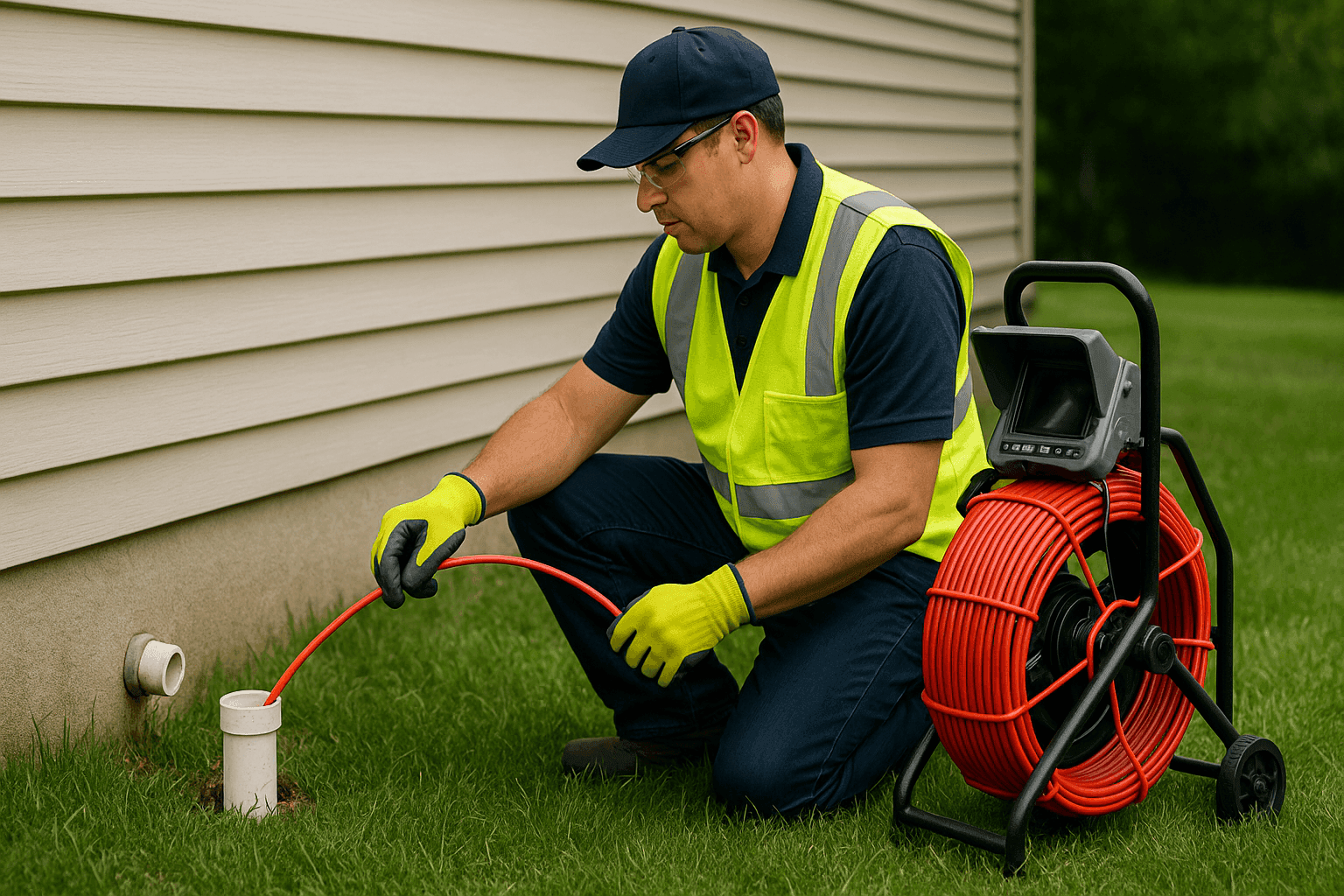
So, how do plumbers see what’s happening under your lawn or foundation? It’s not guesswork. At Dennis Foley Plumbing, we use advanced diagnostic tools, so nothing’s left to chance.
- Video camera inspections: A flexible camera snakes through your pipes, sending back real-time images. We spot cracks, breaks, roots, and blockages—without tearing up your yard.
- Electronic locating: We pinpoint exactly where the problem is. No unnecessary digging.
- Smoke testing: For hard-to-find leaks, a harmless smoke can reveal hidden holes.
- Water pressure tests: These help identify partial blockages or collapsed pipes.
Licensed technicians are trained to interpret these results and recommend the safest, most cost-effective fix. We follow all local plumbing codes and safety guidelines, so you can be confident the work is done right the first time.
Quick Safety Checklist
Before you reach for a plunger or chemical drain cleaner, it’s smart to do a quick safety check:
- Is there standing water in your basement or yard?
- Do you smell sewage indoors?
- Are multiple drains affected at once?
- Is the backup limited to one fixture, or the whole house?
- Have you noticed sudden changes after heavy rain or freezing temperatures?
If you answer “yes” to more than one, it’s time to call emergency plumbing help near you.
DIY vs. Call a Pro
Some clogs are fair game for homeowners: a slow bathroom sink, a hairball in the shower. But sewer line problems are another animal.
DIY might work if:
- Only one drain is slow.
- The problem is isolated to a single fixture.
- You haven’t used chemical cleaners yet (these can damage pipes, especially if there’s a break).
Call a professional immediately if:
- More than one drain is slow or backing up.
- You smell sewage inside.
- Your yard is soggy for no clear reason.
- You hear gurgling from toilets or sinks.
- Water is backing up anywhere in the home.
Trying to DIY a sewer line fix can make things worse, fast. Professional plumbers have the right tools, training, and safety gear to diagnose and repair the problem—without putting your property or health at risk.
What Pros Do On Arrival
When you call Dennis Foley Plumbing for a sewer line issue, here’s what you can expect:
- Assessment: We’ll ask about warning signs, symptoms, and when the problem started.
- Inspection: Using camera and locating equipment, we zero in on the source—no guesswork.
- Safety first: We check for health hazards, like wastewater backups or gas leaks.
- Clear explanation: We’ll walk you through our findings, show you images or footage, and discuss options.
- Repair options: Depending on the cause, solutions might include clearing a blockage, repairing a section, or replacing the line.
We’re licensed, insured, and always follow local codes and the latest safety standards from the International Association of Plumbing and Mechanical Officials (IAPMO).
Prevention & Maintenance
You don’t have to wait for disaster to strike. A few simple steps can help keep your sewer line healthy:
- Never flush wipes, grease, or hygiene products. Even “flushable” wipes cause blockages.
- Plant trees away from sewer lines. Roots go where the water is.
- Schedule regular inspections. Especially if your home is older than 30 years, or you’ve had issues before.
- Watch for seasonal changes. Heavy rain, drought, or deep freezes can stress aging pipes.
- Install backflow prevention devices. These keep sewage from flowing back into your home during heavy storms.
Preventative maintenance is always cheaper—and less stressful—than emergency repairs.
Costs & Time Factors
Sewer line repairs can vary widely based on the problem’s location, severity, and your property’s layout.
- Minor blockages: Often cleared in under an hour.
- Camera inspections: Usually take one to two hours.
- Partial repairs: May require a day or two, especially if excavation is needed.
- Full replacements: Can take several days, depending on length and accessibility.
Costs depend on materials, labor, and the extent of the damage. Early detection always saves money in the long run.
When It’s an Emergency 🚨
Some situations can’t wait. If you notice:
- Sewage backing up into your home
- Standing water or flooding in the basement
- Strong sewage odors indoors
- Gurgling noises from multiple fixtures
It’s time to call for emergency plumbing right away. Health and safety are at risk, and waiting can turn a bad situation into a catastrophe.
FAQ
How often should I have my sewer line inspected?
For homes older than 30 years, or with large trees nearby, an inspection every 2–3 years is wise.
Can tree roots really break through pipes?
Yes. Roots are powerful and naturally seek out leaks. Clay and cast iron pipes are especially vulnerable.
What’s the risk of ignoring a slow drain?
A slow drain could signal a bigger problem deeper in the line. Left untreated, it can lead to a full blockage or even a burst pipe.
Should I use chemical drain cleaners?
No. These can damage pipes, especially if there’s already a crack or break. They’re also harmful to the environment.
Local/Seasonal Considerations
In our region, two big risks stand out:
- Tree roots: Many local neighborhoods have mature trees. Their roots are notorious for invading older pipes.
- Frost heave: Winters can push and pull soil, stressing pipes and causing hidden cracks—especially in homes with shallow sewer lines.
If you notice problems after a big freeze or heavy rain, don’t ignore them. Minor symptoms can quickly become emergencies.
Sewer line problems never fix themselves. If you’ve noticed any warning signs, don’t wait for a bigger mess. Call Dennis Foley Plumbing now — or reach us anytime at 888-997-4573 .