Top 10 Signs You Need Sewer Line Repair (and What to Do Next)
Plumbing problems never knock politely. They barge in, soak your floors, and sometimes leave a stench you can’t ignore. When it comes to sewer line issues, most homeowners would rather not think about what’s happening underground—until it forces its way to the surface.
At Dennis Foley Plumbing, we’ve seen what happens when warning signs are ignored. Burst pipes, ruined yards, and unlivable bathrooms. Acting fast isn’t just smart—it’s necessary. Here’s how to spot trouble early and what to do next if your sewer line is waving a red flag.
The Top 10 Warning Signs 🚨
Sewer line problems rarely stay hidden for long. Here are the most common signals that something serious might be brewing beneath your home:
1. Slow Drains Everywhere
A single slow sink could be a clog. But if all your drains—bathtub, kitchen, bathroom—start moving at glacier speed, your main sewer line might be blocked.
2. Sewage Odors Indoors
That unmistakable rotten egg smell? It’s not just unpleasant. It could signal a leak or backup in your sewer line, allowing gases to seep into your living space.
3. Soggy or Sunken Lawn Patches
Notice a spot in your yard that’s always wet—even when it hasn’t rained? An underground sewer leak might be saturating the soil, leading to strange green patches or even sinkholes.
4. Frequent Toilet Backups
Toilets bubbling, overflowing, or refusing to flush? If it happens in more than one bathroom, your sewer line could be crying for help.
5. Gurgling Sounds
Hear gurgling from your drains or toilet after you flush? That’s air struggling to escape past a blockage, like a soda bottle after a big shake.
6. Mold or Mildew on Walls
Sewer leaks often raise indoor humidity, feeding mold growth on walls or ceilings—especially in basements or around fixtures.
7. Rodents or Insects
A sudden spike in pests—like rats or cockroaches—can signal a hidden breach. Damaged sewer lines attract critters looking for warmth and water.
8. Unexplained Plumbing Bills
If your water bills are creeping up but your habits haven’t changed, leaking pipes or sewer lines might be to blame.
9. Foundation Cracks
Ongoing leaks can erode soil under your home, causing minor to major cracks in your foundation or driveway.
10. Lush Vegetation in Odd Spots
Sewer leaks act like fertilizer for grass and weeds. If one area is growing much faster and greener, it’s a red flag.
If you’ve noticed even one of these signs, don’t wait. The problem can escalate quickly—sometimes overnight.
Immediate Steps to Take
Time is not your friend with sewer line issues. Here’s what to do first:
- Stop using excess water. Limit flushing, bathing, and laundry to prevent backups.
- Check for visible leaks or water pooling. Inspect your basement, utility rooms, and yard.
- Turn off water at the main shutoff valve if you spot active leaks.
- Keep pets and children away from any soggy or sunken areas in your yard.
- Ventilate the area if you smell sewer gas indoors. Open windows and doors.
- Document what you see. Photos help explain the situation and speed up repairs.
- Call for emergency plumbing help. Don’t try to fix sewer lines with store-bought chemicals—they can make things worse.
Risks of Delaying Sewer Repairs ⏳
Delaying action can turn an inconvenience into a disaster. Here’s what’s at stake:
- Health Hazards: Sewer gases and bacteria can trigger respiratory issues, headaches, and skin irritation. According to the CDC, exposure to raw sewage increases the risk of illness.
- Property Damage: A backed-up sewer can flood basements, destroy flooring, and rot joists. Water and sewer leaks can undermine your home’s foundation.
- Escalating Costs: Small cracks become collapsed pipes. Early repair might involve a simple patch, but wait too long and you’re looking at full replacement. The longer you wait, the higher the bill.
- Code Violations: Unaddressed sewer leaks can put you in violation of local health and building codes, risking fines or insurance issues.
- Environmental Damage: Leaking sewage can contaminate groundwater and nearby streams, harming both wildlife and your neighborhood.
Professional Inspection and Repair Process
Some plumbing mysteries can be solved with a wrench. Sewer lines require a different approach—and specialized tools.
Advanced Diagnostic Tools
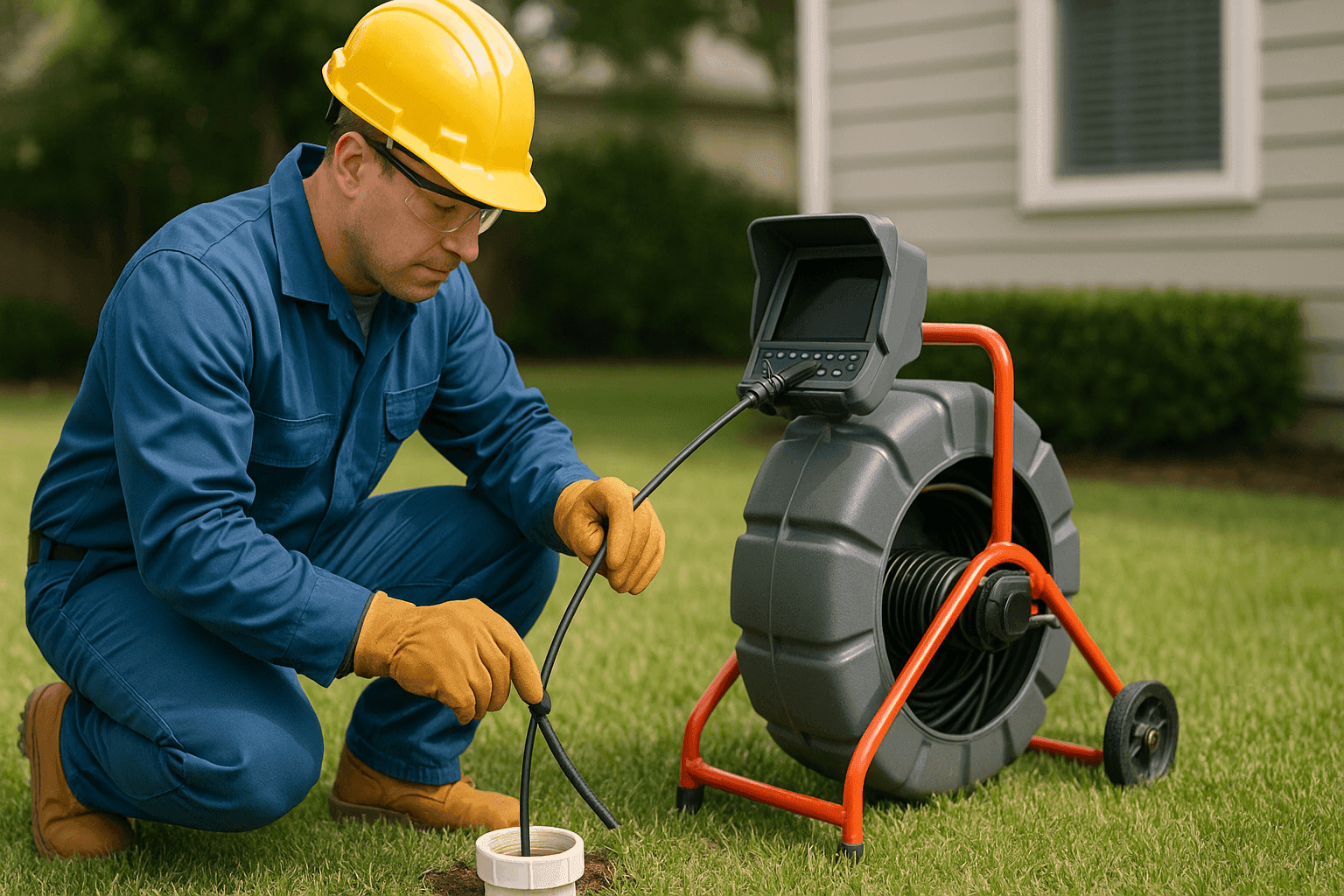
- Video Camera Inspection: We use waterproof cameras to snake through your pipes, pinpointing blockages, cracks, and roots with crystal clarity.
- Electronic Locators: These tools help us find the exact spot of trouble, even under driveways or concrete patios.
- Pressure Testing: Sometimes, we measure pipe pressure to detect hidden leaks invisible to the naked eye.
What Happens Next
- Assessment: We review your home’s layout, history, and symptoms.
- Inspection: Using cameras and locators, we get a clear picture—literally—of your sewer line’s condition.
- Diagnosis: We explain the problem, show you video footage, and outline options.
- Repair: Depending on the issue, solutions range from targeted pipe repairs to full replacement. In some cases, trenchless technology lets us fix pipes without tearing up your lawn.
- Testing: We re-inspect and test flow to make sure everything’s back to normal.
- Cleanup: We leave your property as tidy as we found it.
Many homes in our area have clay, cast iron, or older PVC pipes that are more prone to roots and shifting. Our team has tackled everything from century-old lines in historic homes to brand-new builds with poor grading—no two jobs are exactly alike.
Why Fast Response Matters
Sewer problems don’t wait for business hours. That’s why Dennis Foley Plumbing offers true emergency plumbing service—because waiting until morning could mean thousands in extra damage. We’re local, so we know the quirks of our neighborhood soils, weather, and building codes.
Real-World Tips
- Don’t pour grease, wipes, or harsh chemicals down the drain. These are the leading causes of clogs and pipe damage.
- Schedule regular inspections, especially if your home is over 30 years old.
- Know your shutoff valve location. Seconds count during a leak.
- Get backflow prevention devices if you live in a flood-prone area.
- Check for tree roots. If you have large trees near your sewer line, consider root barriers.
Frequently Asked Questions
Q: How long does a sewer line repair take?
A: Small repairs can sometimes be done in a day, while bigger jobs or full replacements may take several days, especially if excavation is needed.
Q: Is sewer line damage covered by homeowners insurance?
A: It depends on your policy and the cause of the damage. Sudden accidents might be covered, but wear and tear usually isn’t. Always check with your insurance provider.
Q: Can I prevent sewer line problems?
A: You can’t stop aging pipes, but regular drain cleaning, leak detection, and avoiding tree roots near pipes go a long way.
Q: Are there safety codes I need to know about?
A: Yes—local building codes (see International Plumbing Code and your municipality’s guidelines) dictate pipe materials, backflow prevention, and venting requirements.
Local and Seasonal Considerations 🌧️
- Spring Thaws: Melting snow and rain saturate soil, putting extra stress on old pipes.
- Tree Growth: Roots seek water in summer, targeting vulnerable sewer lines.
- Cold Snaps: Frozen ground can shift and crack buried pipes.
- Older Neighborhoods: Homes built before the 1980s often have pipes that are at the end of their lifespan.
Dennis Foley Plumbing has decades of local experience. We’ve helped families weather sudden backups during storms and sneaky leaks that hid beneath beautiful landscaping. We know what to look for, whatever the season.
When sewer problems appear, don’t wait. Your health and home are too important. Call Dennis Foley Plumbing now — or reach us anytime at 888-997-4573 .