Sump Pump Failure: How to Avoid Flooding During Storms
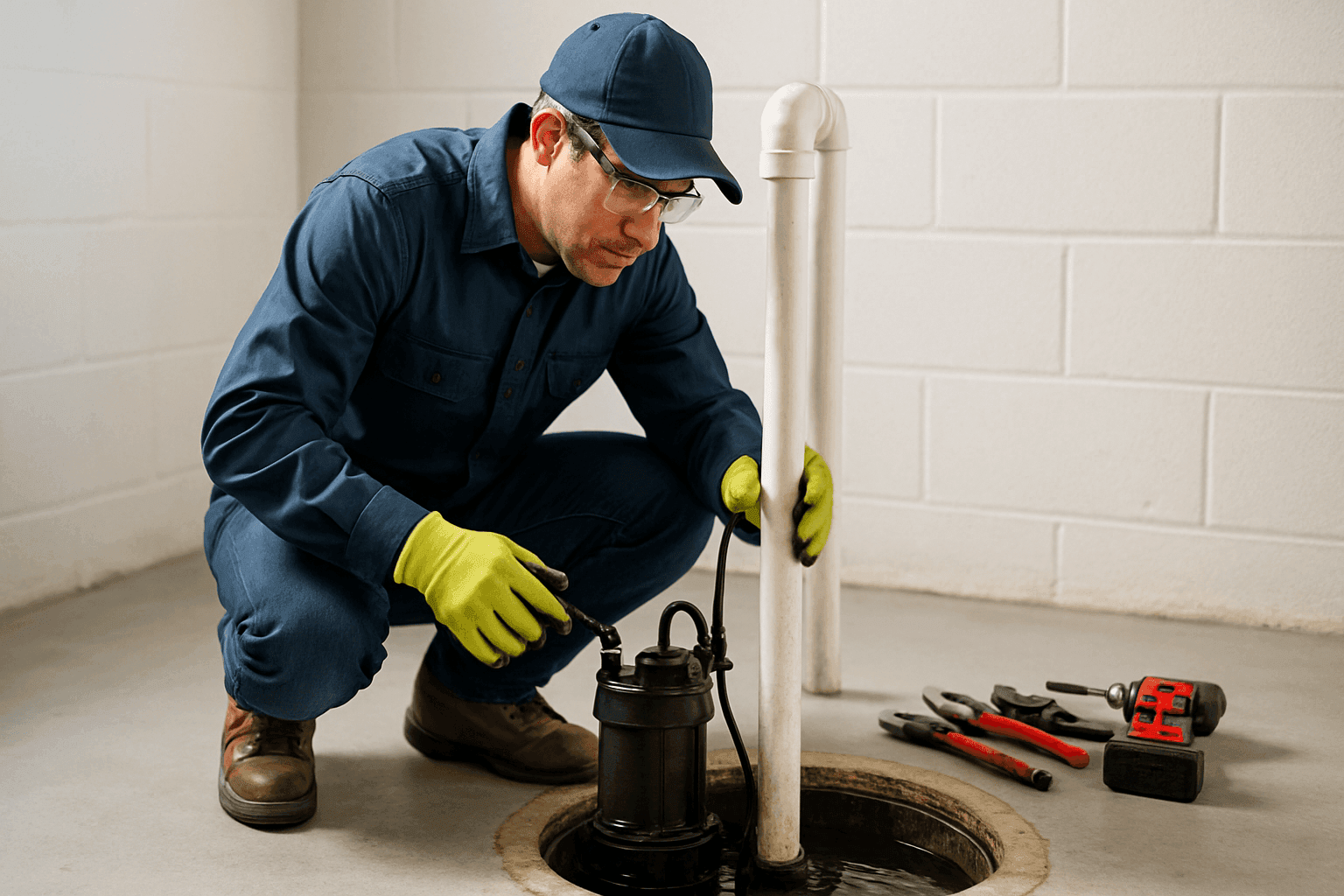
Every year, storms roll in and bring buckets of rain—sometimes more than your basement can handle. If your sump pump quits at the wrong moment, it’s like leaving the front door wide open for water. Flooded floors. Ruined keepsakes. Stress you just don’t need.
At Dennis Foley Plumbing, we know the feeling. We’ve rushed out at 2 a.m. to homes teetering on disaster. That’s why we want to help you spot trouble before it starts and keep your home dry, no matter the weather.
Why Sump Pumps Fail 🌧️
Imagine your sump pump as the goalie in a high-stakes match. If it misses a block, your basement pays the price. Here’s why these crucial systems let you down when you need them most:
- Power Loss: Storms and outages go hand in hand. No electricity? Your pump sits idle while water keeps coming.
- Switch Failure: Sometimes, the float switch gets stuck or tangled. When this happens, the pump won’t know when to kick on.
- Clogs: Debris, gravel, or even a stray sock can jam up the works, making your pump as useful as a brick.
- Old Age: Most sump pumps work for 7–10 years. After that, reliability drops fast—like using an old umbrella in a hurricane.
According to the International Association of Certified Home Inspectors, mechanical issues and lack of maintenance are the leading culprits behind basement flooding.
Sump Pump Maintenance Checklist 🛠️
Keeping your sump pump ready for action doesn’t take a plumbing degree. Regular checks can make all the difference.
- Test the Pump: Pour a bucket of water into the pit. It should switch on and drain quickly. If not, something’s wrong.
- Clean the Pit: Remove dirt, pebbles, and any gunk that’s found its way in. A clean pit keeps the system running smooth.
- Check Battery Backup: If your pump relies on power, a backup battery is your insurance. Test it twice a year.
- Install an Alarm: Water alarms alert you if the pit fills up. Early warning means less damage.
- Inspect Discharge Line: Make sure it’s free of ice, roots, or blockages that send water right back inside.
Following these steps—especially before storm season—can keep your basement dry and your stress low.
Signs Your Sump Pump Needs Repair 🚨
Sump pumps have a way of crying for help. Listen for these warning signs:
- Strange Noises: Grinding or rattling is never a good sound—it could mean worn-out parts or debris stuck inside.
- Constant Running: If your pump never takes a break, it might be too small or have a switch stuck in the “on” position.
- Standing Water in Pit: If water sits there, your pump isn’t doing its job. Immediate attention needed.
- Musty Smells: Mold or mildew means water’s been around too long. Time to investigate.
Ignoring these signals is like ignoring smoke from the engine—you might get away with it for a while, but not for long.
DIY vs. Call a Pro
Some sump pump fixes are like tightening a loose doorknob. Others are more like rewiring your whole house. Here’s a quick guide:
DIY Tasks:
- Testing the pump with water
- Cleaning the pit
- Checking the power source
Call a Pro For:
- Replacing the pump or switch
- Installing backup systems
- Diagnosing electrical issues
- Strange noises or smells
Remember, water damage can get expensive in a hurry. If you’re unsure, call for emergency plumbing—better safe than sorry.
What Pros Do On Arrival
When Dennis Foley Plumbing pulls into your driveway, we waste no time. Here’s what you can expect:
- Assess the Situation: We check for power, inspect the pit, and look for immediate risks.
- Test the System: We run the pump, listen for odd sounds, and check backup systems.
- Clear Blockages: If something’s stuck, we remove it safely and check for damage.
- Repair or Replace: We’ll fix what we can, and if your pump’s at the end of its life, we’ll recommend the best next step.
- Check for Other Issues: Sometimes a failed sump pump reveals bigger problems—like a cracked pipe or blocked drain. We spot those, too.
We bring years of hands-on experience and all the tools needed for leak repair near you, so you can get back to your normal routine fast.
Sump Pump Prevention & Maintenance
Like changing oil in your car, sump pump care isn’t glamorous—but it’s what keeps you moving. Here’s how to stay ahead of disaster:
- Schedule Annual Checkups: Just before storm season, have a pro look things over.
- Keep the Area Clear: Don’t store boxes or clutter near the pump. Easy access speeds up emergency repairs.
- Upgrade When Needed: If your pump is old or undersized, upgrade before trouble starts.
- Know Your Home’s Plumbing Codes: In many places, sump pumps must discharge outside—not into the sewer. Check local code or ask your plumber.
The Federal Emergency Management Agency (FEMA) and the National Association of Home Builders both recommend regular maintenance to prevent storm-related flooding.
Costs & Time Factors
A little prevention saves a lot of money. Here’s what to expect:
- Minor Repairs: Simple fixes—like clearing debris or replacing a switch—can be done in under an hour.
- Full Replacement: Swapping out an old pump usually takes two hours or less, depending on access and condition.
- Cost Range: Prices depend on parts, labor, and urgency. After-hours emergency plumbing or extensive water damage can increase costs, but routine maintenance is a small investment compared to flood cleanup.
When It’s an Emergency
If water’s rising and your pump’s silent, don’t wait. It’s an emergency when:
- Water is pooling quickly in your basement
- The pump fails during a heavy storm
- There’s risk of electrical shock or mold
Call for emergency plumbing right away. Fast action can mean the difference between a mop and a full renovation.
FAQ
How long should my sump pump last?
Most pumps last 7–10 years, but heavy use or lack of maintenance can shorten that window.
Can I install a sump pump myself?
Some handy homeowners can tackle installation, but mistakes can lead to costly water damage. When in doubt, call a pro.
Do I really need a battery backup?
If you’re in a flood-prone area or lose power during storms, a battery backup is your best friend.
Is it normal for the pump to run all the time?
No. Constant running usually signals a problem—like a stuck switch or undersized pump.
Local & Seasonal Considerations 🏡
In our area, spring and summer storms bring heavy downpours. Recent data from the National Weather Service shows rainfall totals increasing each year—meaning sump pump failure is a growing risk. Homes near rivers, low-lying neighborhoods, or older properties with aging plumbing are especially vulnerable. Before the next storm hits, make sure your system is ready.
Take Action Before the Next Storm
A working sump pump is your best defense against basement floods. Don’t leave it to chance. Whether you need maintenance, repairs, or a new installation, Dennis Foley Plumbing is here for you—day or night. Stay dry, stay safe, and let us handle the water worries.
Call Dennis Foley Plumbing now — or reach us anytime at 888-997-4573 .