Top 10 Plumbing Emergencies and How to Handle Them
When water is gushing across your bathroom floor or a strange smell creeps up from the basement, panic sets in fast. Plumbing emergencies don’t wait for a convenient time. They hit after dinner. On weekends. In the dead of winter. You need answers—and action—fast.
At Dennis Foley Plumbing, we know what it’s like to wake up to trouble. Our licensed, insured team has seen every disaster, from midnight leaks to frozen pipes in the coldest months. Here’s what you need to know, right now, to keep your home and family safe.
The Top 10 Plumbing Emergencies 🛠️
Some plumbing problems are just annoyances. Others? They’re show-stoppers. Here are the ten most urgent situations homeowners face:
- Burst Pipes
- Major Water Leaks
- Overflowing Toilets
- Sewer Backups
- Gas Leaks
- No Hot Water/Water Heater Failure
- Clogged Drains (Severe)
- Sump Pump Failure
- Broken or Leaking Fixtures
- Low Water Pressure
You might spot these issues in a flash—a pool of water on the kitchen floor, or a hissing pipe behind the wall. Other problems, like a slow-building sewer backup, hide until it’s almost too late. No matter the cause, quick action can mean the difference between a quick fix and costly repairs.
Immediate Steps for Each Emergency
Every second counts when disaster strikes. Here’s what to do for each scenario:
1. Burst Pipes
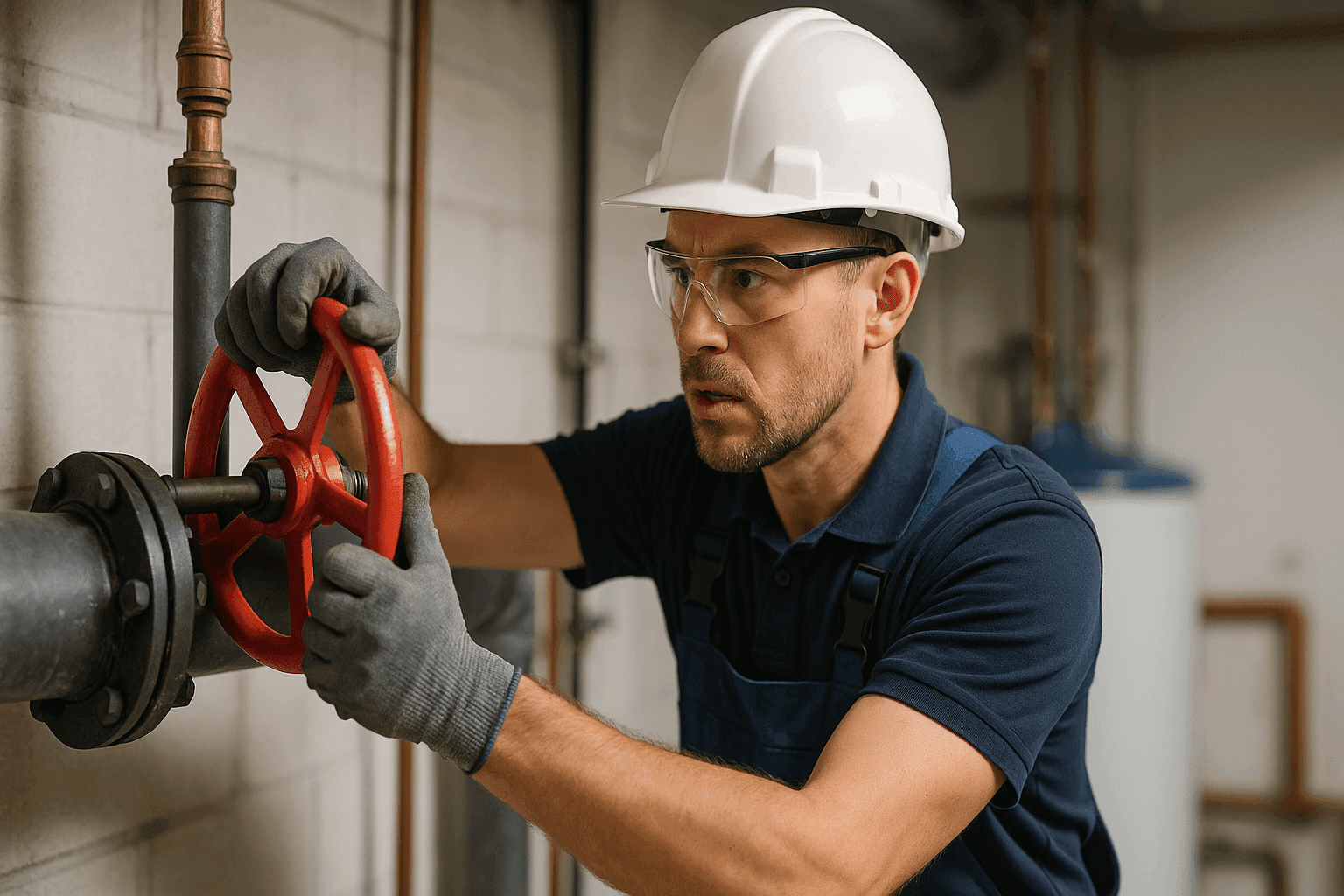
- Shut off the main water valve immediately.
- Open faucets to drain remaining water.
- Move belongings out of harm’s way.
- If safe, turn off electricity in affected areas.
2. Major Water Leaks
- Find the leak—under the sink, inside a wall, or in the basement.
- Close the nearest shutoff valve.
- Place buckets or towels to contain water.
- Call for emergency plumbing help.
3. Overflowing Toilets
- Remove the tank lid and push down the flapper to stop water flow.
- Turn off the toilet’s water valve (behind the toilet).
- Mop up water to prevent floor damage.
4. Sewer Backups
- Stop using all water in the house.
- Keep children and pets away.
- Open windows if possible for ventilation.
- Call for immediate sewer line inspection.
5. Gas Leaks
- Don’t turn on lights or use electronics.
- Evacuate everyone from the home.
- Call your gas utility and emergency plumber from outside.
- Don’t re-enter until cleared by professionals.
6. No Hot Water/Water Heater Failure
- For gas heaters, check for gas smell—if present, follow gas leak steps.
- Turn off the water heater’s power or gas supply.
- Avoid using hot water taps.
7. Severely Clogged Drains
- Don’t use chemical drain openers—they can cause pipe damage.
- Stop running water to prevent overflow.
- Try a plunger if safe, but avoid forcing the blockage.
8. Sump Pump Failure
- Unplug the sump pump if it’s making noise or smoking.
- Remove valuables from the area.
- Use a wet/dry vacuum for standing water if you have one.
9. Broken or Leaking Fixtures
- Turn off the fixture’s local shutoff.
- Place a towel or bucket to catch drips.
- Avoid using the fixture until it’s repaired.
10. Low Water Pressure
- Check all taps—if it’s only one, likely a local clog.
- If it’s whole-house, check for main shutoff issues or leaks.
- Avoid running appliances until the issue is found.
Quick Safety Checklist ✅
- Locate your main water and gas shutoff valves—know where they are before trouble hits.
- Keep a basic emergency kit: towels, buckets, flashlight, and gloves.
- Know your plumber’s emergency contact number (hint: save Dennis Foley Plumbing’s number now).
- Evacuate immediately if you smell gas or see flooding near electrical outlets.
- Watch for signs of mold or mildew after water emergencies.
DIY or Call a Pro? Knowing Your Limits
Some problems are like a leaky faucet—they can be handled with a wrench and patience. Others, like a burst pipe or gas leak, are like a bull in a china shop: dangerous, unpredictable, and best left to the pros.
When to DIY:
- Unclogging minor drains with a plunger.
- Replacing toilet flappers or tightening loose fittings.
When to Call Pros:
- Any situation involving water or gas shutoff.
- Water where it shouldn’t be (walls, ceilings, floors).
- Persistent leaks or recurring clogs.
- Odd smells (sewer, gas) or sounds (hissing, banging).
Remember, DIY mistakes can make things worse—and more expensive to fix.
What the Pros Do On Arrival
A licensed plumber arrives with tools, training, and a calm head. Here’s what to expect:
- Assessment: Quick inspection to find the source and scope of the issue.
- Containment: Stopping leaks, shutting off water, and protecting your home.
- Repair: Using code-compliant parts and methods for a safe, lasting fix.
- Testing: Ensuring everything works, pressure is restored, and hazards are cleared.
- Cleanup: Removing standing water, sanitizing, and advising on next steps.
For gas leaks, plumbers work alongside your gas utility to ensure full safety.
Preventing Emergencies: Maintenance & Warning Signs
Think of plumbing like the unseen arteries of your home. Regular checkups keep things flowing. Here’s how to keep disaster at bay:
- Routine Leak Checks: Inspect under sinks, toilets, and appliances monthly.
- Drain Cleaning: Avoid pouring grease, coffee grounds, or wipes down drains.
- Water Heater Flushes: Yearly flushing removes sediment and extends lifespan.
- Insulate Pipes: Especially before winter—frozen pipes can burst.
- Sump Pump Testing: Run a test before heavy rains or spring melt.
- Watch Water Bills: Sudden spikes can signal hidden leaks.
- Listen: Gurgles, bangs, and whistling are red flags.
- Install Backflow Prevention: Especially important in areas prone to flooding.
Refer to your local building code or the American Water Works Association for guidelines on maintenance and safety.
Costs & Time Factors
Plumbing emergencies rarely strike at a “good” time—day or night, the price tag can vary. Here’s what influences the cost and repair window:
- Severity: Major water or gas leaks require urgent, sometimes extensive work.
- Access: Hidden pipes behind walls or underground lines take longer.
- Parts Needed: Custom fittings or replacement fixtures can add time.
- Season: Winter freezes or heavy rains may mean a busier schedule for emergency plumbing near you.
Repairs can range from a quick 30-minute fix to several hours for complex leaks or repiping. Always ask for an upfront assessment before work begins.
When It’s an Emergency
If you’re not sure, err on the side of caution. Any situation involving:
- Uncontrolled water flow
- Gas smell or hissing sounds
- Backed-up sewage
- Electrical hazards from water
is an emergency. Waiting can cause more damage, higher costs, and real safety risks.
Frequently Asked Questions
Q: Should I try to fix a burst pipe myself?
A: Shut off the water and call for help. Temporary tape or clamps might slow a leak, but professional repair is needed for safety.
Q: What if my toilet overflows at night?
A: Turn off the supply valve, mop up water, and call emergency plumbing. Avoid using nearby fixtures until cleared.
Q: Does insurance cover plumbing emergencies?
A: Many homeowners policies cover sudden and accidental plumbing damage, but not slow leaks. Check your policy and document the damage.
Q: How often should I have preventative maintenance done?
A: Annual checks catch hidden leaks or worn parts. Sump pumps and water heaters also need yearly attention.
Local & Seasonal Risks: Floods, Freezes, and More 🌧️
In our region, extreme weather puts extra stress on your plumbing. Deep freezes can turn still water into expanding ice, splitting pipes like overfilled soda cans. Heavy spring rains or sudden storms can overwhelm sump pumps or sewer lines.
Prepare by:
- Draining outdoor hoses and shutting off exterior spigots before the first frost.
- Testing sump pumps in early spring.
- Insulating pipes in unheated spaces, like garages and basements.
- Scheduling preventative sewer line inspections if your yard floods easily.
Stay alert to weather advisories and keep Dennis Foley Plumbing’s emergency number on hand year-round.
When every second counts, don’t hesitate. Save your home and your sanity with fast, professional help from Dennis Foley Plumbing.
Call Dennis Foley Plumbing now — or reach us anytime at 888-997-4573 .