Water Filtration Systems: Do You Need One for Your Home?
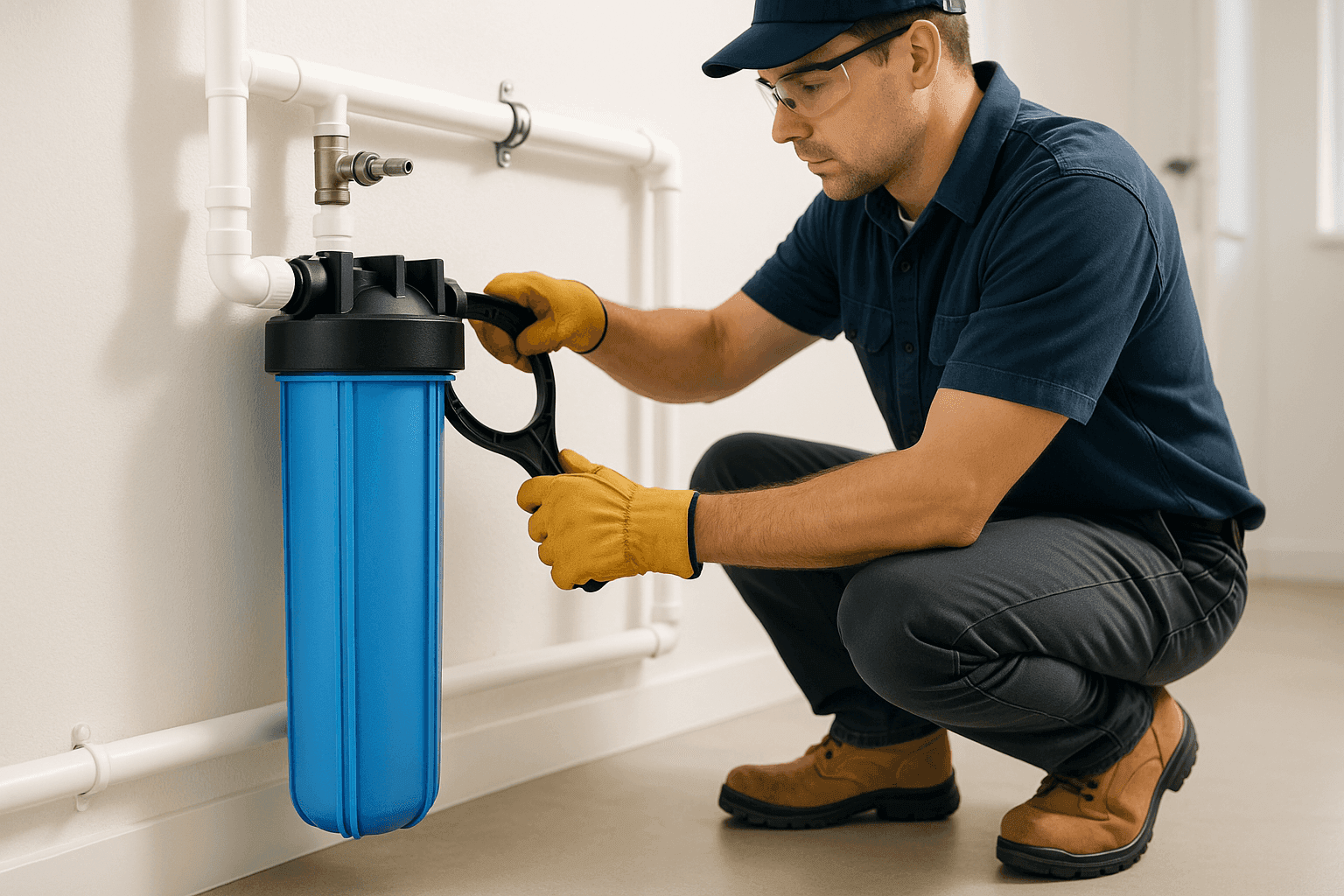
Water is the heart of your home. You cook with it, clean with it, drink it, and shower in it. But have you ever wondered what’s really in the water coming out of your tap? If you’ve noticed strange tastes, odd smells, or even just want peace of mind, you’re not alone.
At Dennis Foley Plumbing, we hear from families every day who want safer, better-tasting water. Whether it’s emergency plumbing, leak repair near you, or improving the water your family relies on, we’re here to help you make sense of your options.
Why Consider a Water Filtration System? 💧
Turning on the faucet should never feel like spinning a roulette wheel. Yet, tap water can bring with it a blend of minerals, chlorine, and—sometimes—things you’d rather not think about. Here’s why many homeowners are looking closer at water filtration:
- Taste and Odor: Chlorine and sulfur can leave water tasting like a swimming pool or smelling like rotten eggs. A filter can turn that around.
- Health Concerns: From lead to pesticides, certain contaminants can sneak into your supply. The U.S. Environmental Protection Agency (EPA) sets standards, but not all water meets them.
- Local Water Quality: Depending on your region, hard water (high in minerals), iron, and even bacterial contamination can be a reality—especially with well water.
- Appliance Longevity: Hard water leaves scale in pipes and appliances, causing premature breakdowns and costly repairs.
- Peace of Mind: When you know your water is clean, you worry less about what your family is drinking.
If you’re wondering about chemical smells, cloudy water, or just want better tea in the morning, a filtration system could be your solution.
Types of Filtration Systems
No two homes—or water supplies—are quite the same. That’s why there are several types of water filtration systems, each with its own strengths.
- Pitcher Filters: The simplest option. Pour tap water in, wait for it to drip through a filter, and pour yourself a glass. Good for renters and tight budgets—but won’t handle high volumes or all contaminants.
- Faucet-Mounted Filters: Attach directly to your kitchen tap. Easy to install and affordable, but not always compatible with specialty faucets.
- Under-Sink Filters: Tucked away beneath your kitchen sink, these systems filter water right before it reaches your glass. They’re efficient and out of sight, but installation can be tricky.
- Whole-House (Point-of-Entry) Systems: Installed where water enters your house. Every tap, every shower, every appliance gets filtered water. Ideal for homes with hard water, high sediment, or multiple water concerns.
- Reverse Osmosis (RO): These systems force water through a membrane, removing even tiny particles. They can strip out everything from lead to microplastics—but also remove some beneficial minerals.
- Water Softeners: Not technically a “filter,” but often paired with filtration. They swap out calcium and magnesium for sodium or potassium, preventing scale and stains.
How to Choose the Right System
Picking a water filtration system is like finding the right pair of shoes. It has to fit your needs, your family, and your home.
- Start With Water Testing: Before you buy, test your water. Many local health departments offer free or low-cost testing. Look for lead, bacteria, chlorine, hardness, and anything else of concern in your region.
- Consider Your Family’s Needs: Do you just want better-tasting water for drinking? Or do you want softer water for showers, laundry, and appliances?
- Installation and Maintenance: Some systems are plug-and-play; others need professional installation. Think about filter changes, space requirements, and whether you want to DIY or call in a pro.
- Local Water Issues: In many areas, hard water is a constant battle. If you have a well, you might face iron, sulfur, or even bacteria. City water often carries chlorine and fluoride.
- Budget: There’s a solution for every wallet, but remember—cheaper up front doesn’t always mean cheaper in the long run.
Licensed, knowledgeable installers—like our team at Dennis Foley Plumbing—can help you navigate these choices and ensure your system is installed to code and running safely.
Quick Safety Checklist 🛑
Before you install—or even shop for—a water filtration system, keep these safety points in mind:
- Check your water pressure. Too high or too low can hurt filters and pipes.
- Know your plumbing. Old or corroded pipes may need repair before installation.
- Use systems certified by NSF International or the Water Quality Association.
- Never install systems meant for city water on untreated well water (and vice versa) without checking compatibility.
- Follow local building codes. Some areas require permits or inspections.
DIY vs. Call a Pro
Some water filters are as easy as screwing in a lightbulb. Others, not so much.
- DIY Friendly: Pitcher filters, faucet attachments, and some under-sink units can be handled with basic tools.
- Call a Pro: Whole-house systems, reverse osmosis, and any installation involving pipe cutting, soldering, or working near your water heater or main supply.
Professional installers not only make sure your system works—they protect your home from leaks, pressure issues, and even voiding warranties. And if you’re dealing with an emergency plumbing situation or suspect a leak, don’t wait. Get help fast.
What Pros Do On Arrival
When you call Dennis Foley Plumbing, here’s what to expect:
- Inspect your current plumbing for leaks, corrosion, or code violations.
- Test your water to pinpoint what needs filtering.
- Recommend the right system for your water and your lifestyle.
- Install according to manufacturer specs and local codes.
- Check for leaks, proper flow, and safe operation.
- Explain maintenance, filter changes, and when to call for help.
We’re neighbors, not strangers. We know the water quirks of this region—whether it’s extra-hard water, chlorine overload, or well system surprises.
Prevention & Maintenance
A water filtration system isn’t “set it and forget it.” Like your car, it needs a little attention now and then.
- Change filters on schedule—usually every 3–12 months, depending on system and usage.
- Watch for drops in water pressure or odd tastes—signs your filter needs changing.
- Schedule annual inspections, especially for whole-house systems.
- For well water, test annually for bacteria and contaminants (the CDC recommends this).
- Keep installation manuals and warranty info handy.
Routine care keeps your system working and your water safe—saving you headaches down the road.
Costs & Time Factors
There’s a wide range when it comes to time and money:
- Pitcher Filters: $20–$60, 5 minutes to set up.
- Faucet or Under-Sink Filters: $50–$300, 30–120 minutes to install.
- Whole-House and RO Systems: $500–$3,000+ for equipment and installation. Half a day to a full day, depending on your home.
- Maintenance: Filter replacements and tune-ups range from $10 to a few hundred dollars per year.
Remember, investing in good water can save on appliance repairs, plumbing fixes, and even bottled water costs over time.
When It’s an Emergency 🚨
Sudden changes in water taste, color, or smell? Flooding near your main supply? Water pressure dropping without warning? These aren’t issues to wait on.
- If you suspect contamination (especially with wells), stop using water and call a professional immediately.
- Sudden leaks or burst pipes during installation? Shut off your main water valve.
- For any urgent plumbing issues, Dennis Foley Plumbing provides emergency plumbing and leak repair near you—24/7.
Water quality issues can escalate fast. Don’t hesitate to reach out if something seems off.
FAQ: Water Filtration for Your Home
Q: How do I know if my water needs filtering?
A: Start with a water test. If you notice odd tastes, smells, or stains—or just want peace of mind—filtration is worth considering.
Q: Are whole-house systems worth it?
A: For homes with multiple water quality issues (hardness, iron, chlorine), a whole-house system protects plumbing and appliances, not just your drinking water.
Q: Will a filter remove all contaminants?
A: No filter removes everything. That’s why testing is crucial. Some systems target chlorine and sediment, others handle bacteria or heavy metals.
Q: How often should I change my filter?
A: It depends on the system and your water quality. Always follow the manufacturer’s schedule, and watch for signs like slower flow or returning odors.
Local and Seasonal Considerations
Water quality isn’t the same everywhere—or every season.
- Regional Hardness: Many areas here have naturally hard water, leading to buildup in pipes and appliances.
- Chlorine Use: Some municipalities boost chlorine in summer to control bacteria, which can affect taste and skin comfort.
- Well Water: Spring thaw and heavy rains can introduce contaminants—annual testing is a must.
- Aging Infrastructure: Older homes may have lead pipes or corroded plumbing, increasing risk of contamination.
- Drought or Flooding: Extreme weather events can stir up sediment and unexpected contaminants.
Stay informed about your local water reports and seasonal advisories. The EPA and local health departments publish updates and guidelines to help homeowners stay safe.
Ready for safer, better-tasting water—and peace of mind?
Call Dennis Foley Plumbing now — or reach us anytime at 888-997-4573 .